

Last updated October 31, 2026
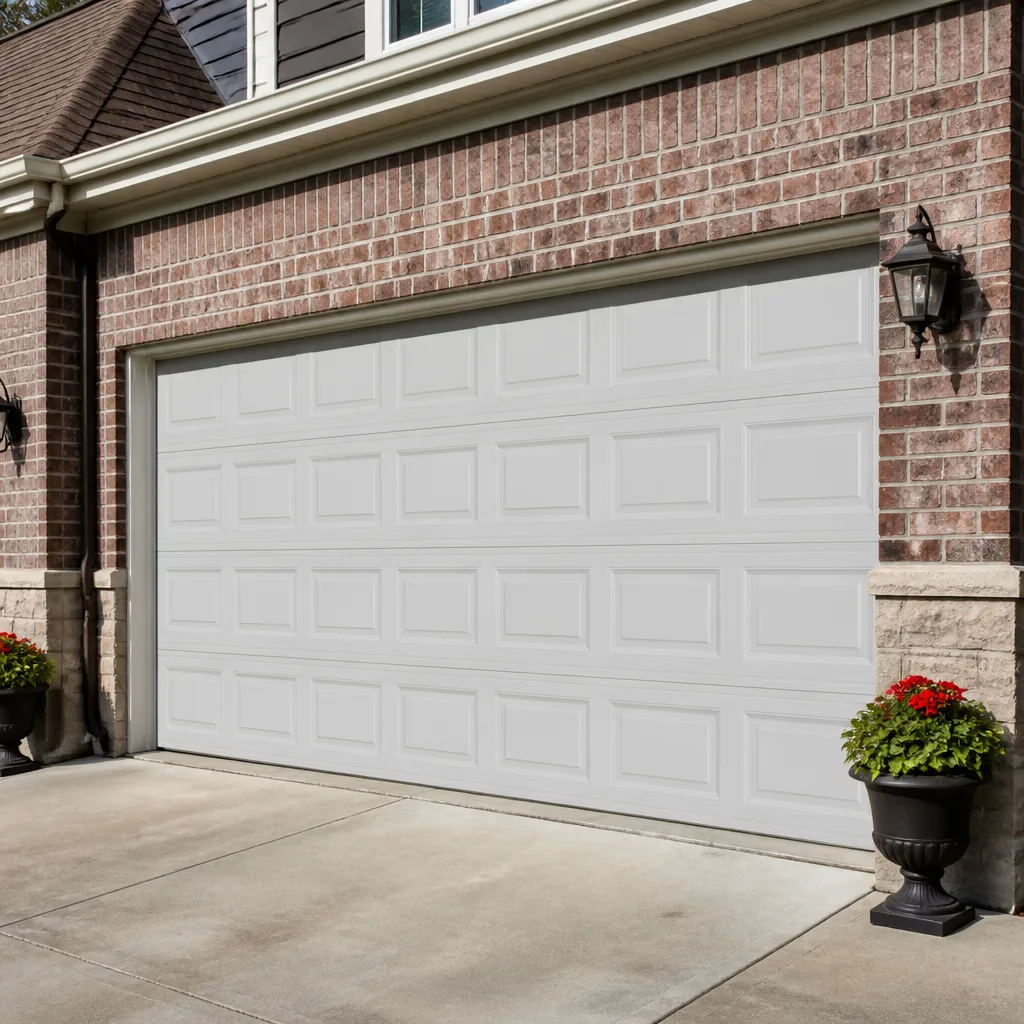 Raised-panel steel
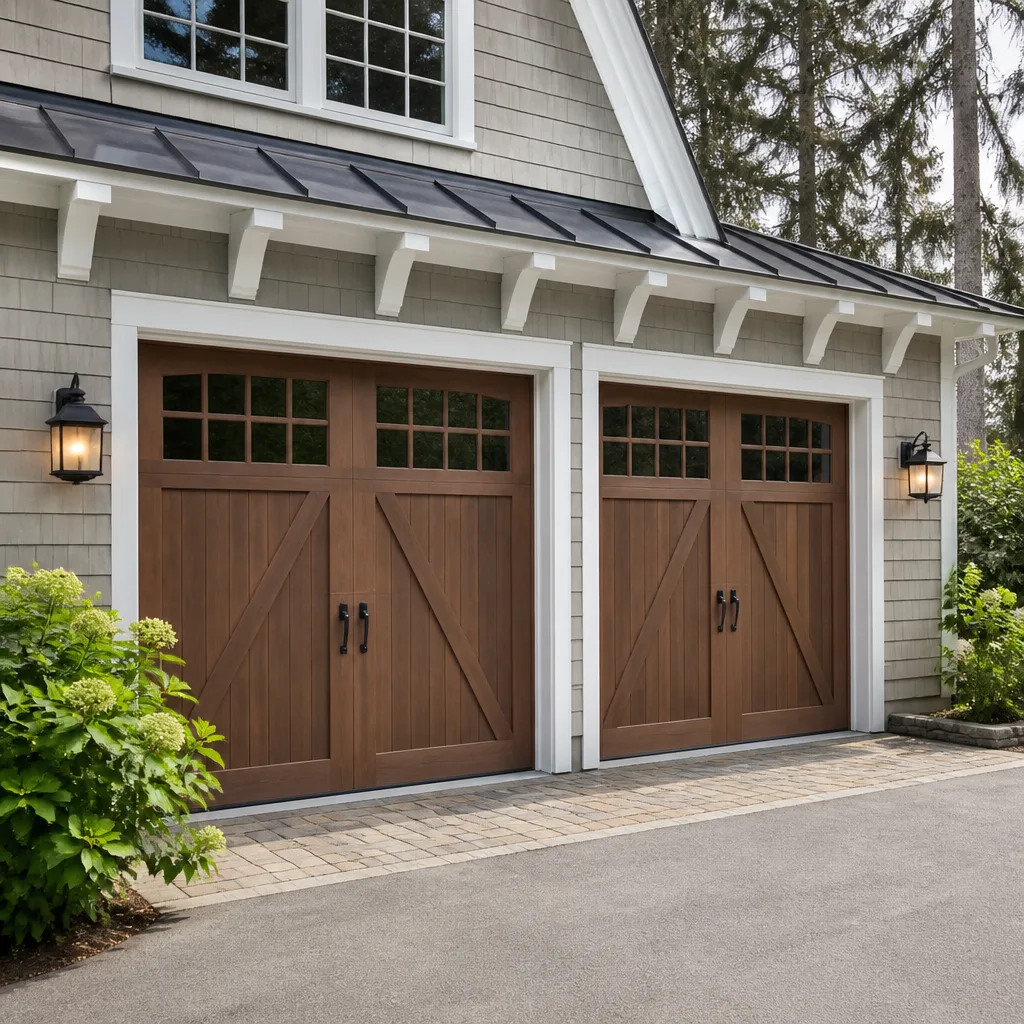 Carriage house
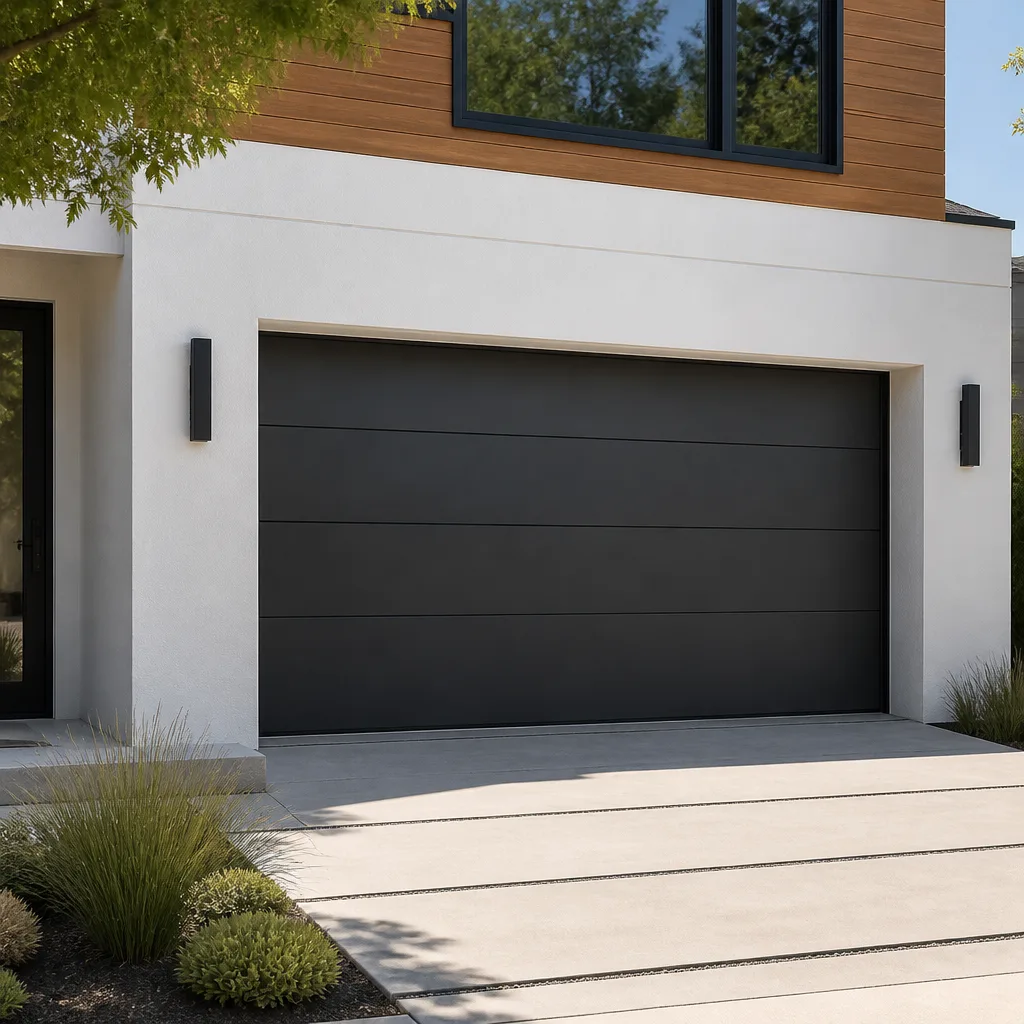 Modern flush
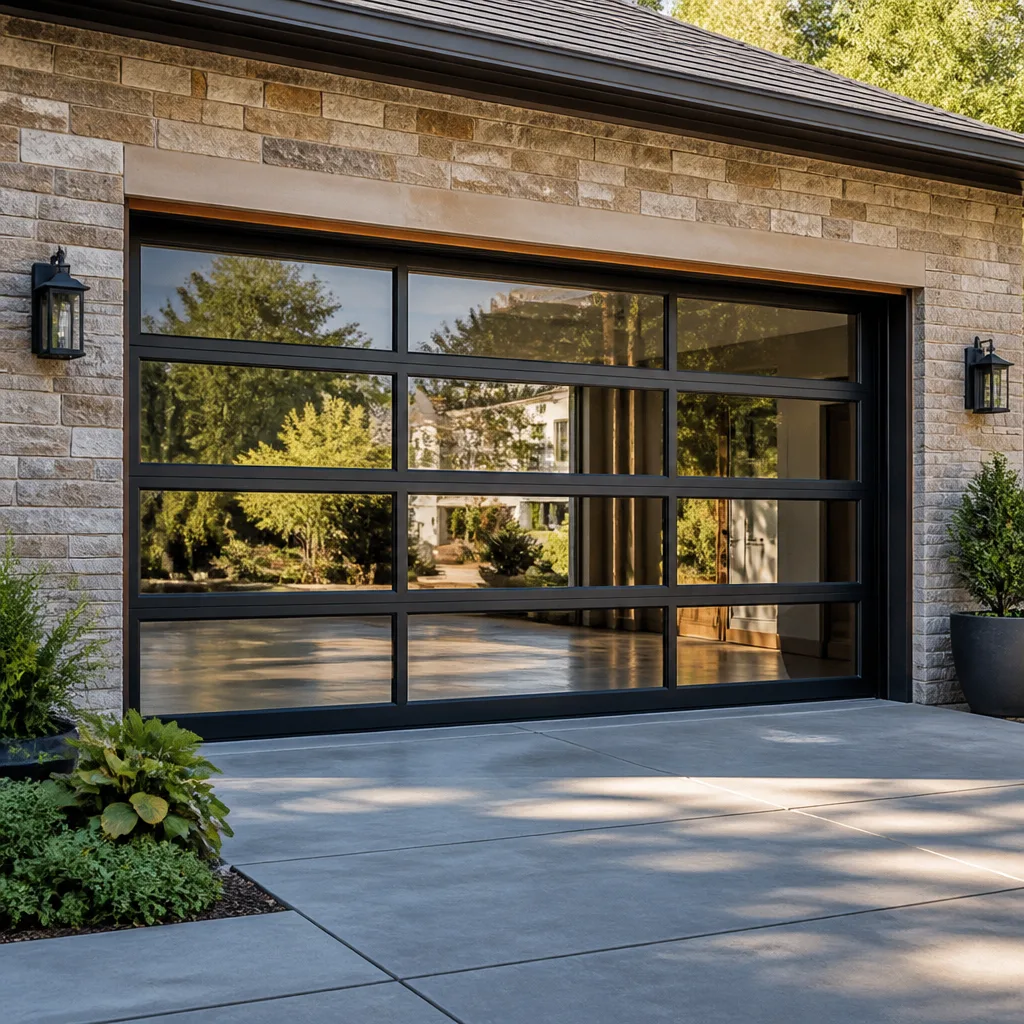 Full-view glass
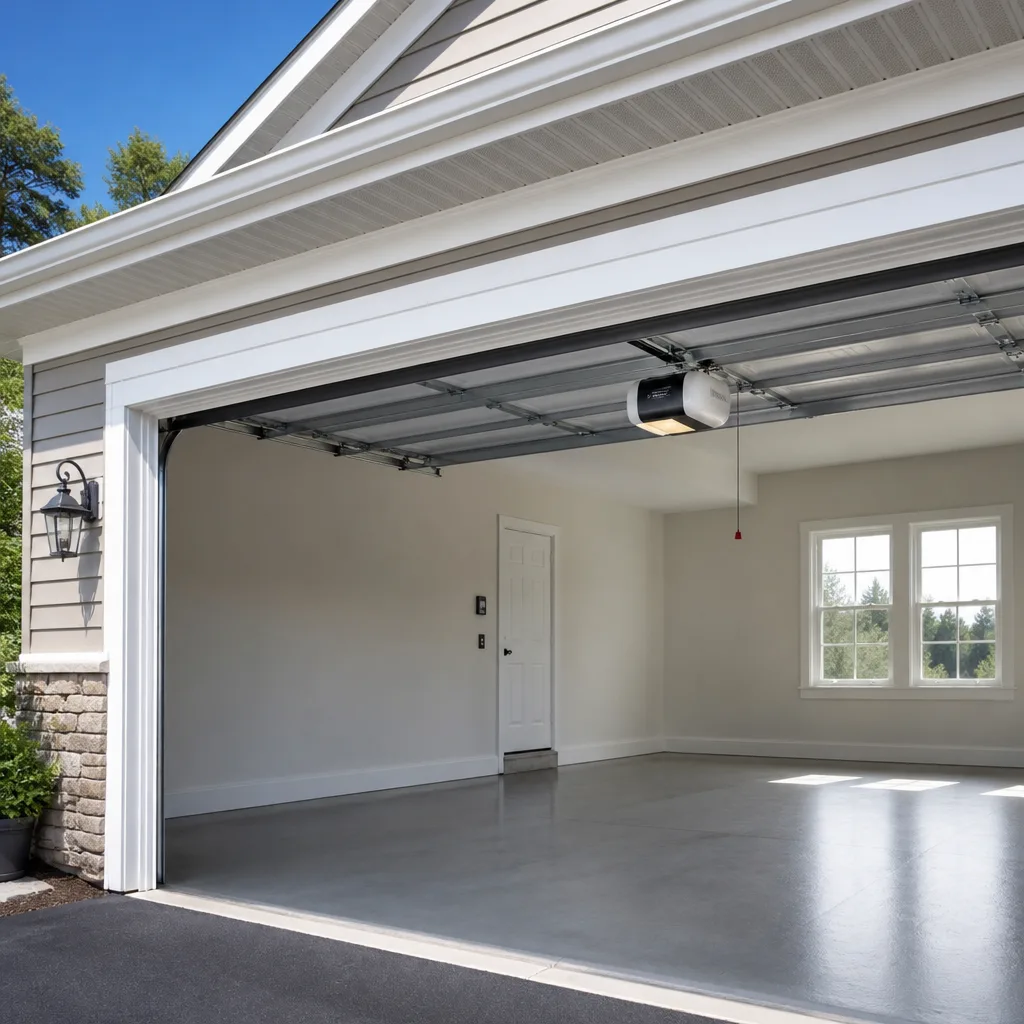 LiftMaster openers
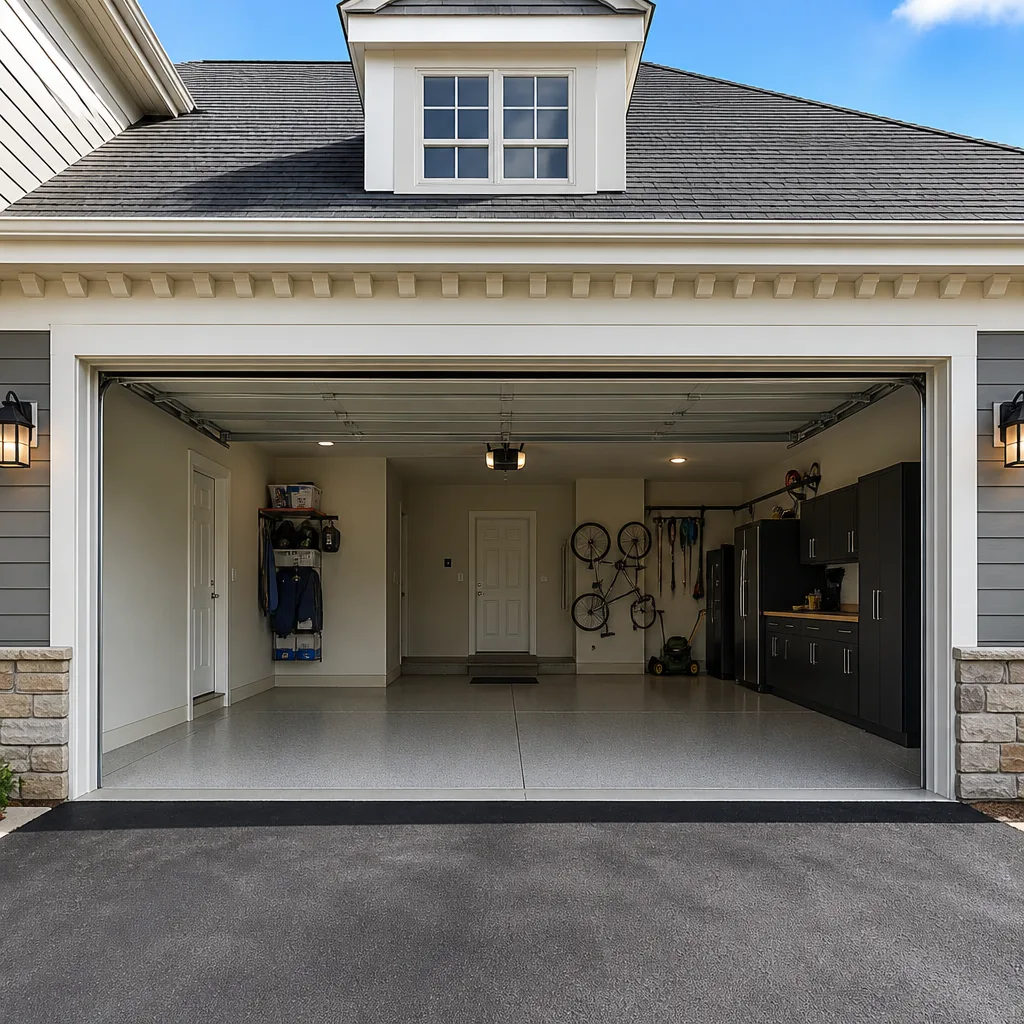 Chamberlain openers
Full 25-point door and opener safety check with every visit - springs, cables, rollers, tracks, and your LiftMaster or Chamberlain opener included
You get a price before we start. It does not change when the truck arrives.
Get your free estimateGarage Door Warning Signs: A Tampa Homeowner’s Reference Guide
Most garage doors in Tampa don’t fail without warning. They telegraph their decline for weeks, sometimes months, through sounds, movements, and wear patterns that most homeowners write off as quirks. A grinding noise on the way down isn’t a personality trait. It’s a torsion spring or bearing plate telling you it has roughly 200 cycles left before it fails, typically at 7 a.m. on a Tuesday when you’re already running late. This guide gives you the diagnostic vocabulary to read those signals early, so you’re calling for a $90 part instead of a $900 repair.
Styles & brands we work with
Quick Answer
Most garage door failures in Tampa announce themselves through specific sounds (grinding, snapping, scraping, rattling), visible wear (rust at the bottom panels, cracked weatherstrip, bubbling paint), and behavioral changes (a door that hesitates, reverses, or sits crooked). Learn which signals are urgent and which are routine, then do the balance test twice a year to catch spring fatigue before it snaps.
Table of Contents
- The Sound Guide: What Your Door Is Actually Saying
- Tampa-Specific Visual Warnings: Rust, Shrinkage, and Bubbling Paint
- The Door Balance Test Every Tampa Homeowner Should Do Quarterly
- Opener Behavior Flags: When Reversing Isn’t a Sensor Problem
- The Failure Chain: How Small Problems Cascade in Tampa
- Cycle Math: How Often Should You Actually Be Checking?
- Brand-Specific Notes: LiftMaster, Chamberlain, Genie, and Clopay
- Common Mistakes to Avoid
- When to Call a Professional
- Frequently Asked Questions
- The Bottom Line
The Sound Guide: What Your Door Is Actually Saying
Every garage door makes some noise. The question is which noises are conversation and which are distress calls. After years of garage door repair in Tampa, we can usually diagnose a door by sound before we touch it. Here’s the breakdown by noise type.
Grinding on the way down or up almost always points to metal-on-metal contact somewhere in the system. The usual culprits are bearing plates in the rollers or the torsion tube. A garage door with nylon rollers should be notably quieter than one with steel rollers. If you hear grinding from a Chamberlain or LiftMaster opener specifically, it’s often the drive gear inside the motor head, not the door itself. Grinding means friction. Friction means heat. Heat means wear accelerates until something seizes.
Snapping or popping during operation is different from grinding. A single sharp snap can be a cable strand giving way under tension. A repeated popping sound as the door moves through its travel often indicates a section hinge that has loosened or a spring that’s starting to bind. If you hear a snap and the door doesn’t move afterward, stop pressing the opener. You likely have a broken spring, and continuing to operate the door can bend the track or damage the opener.
Scraping along the sides means the door is no longer tracking straight. It could be a bent track, a roller coming out of its hinge, or the door itself shifting due to uneven spring tension. In Tampa’s sandy soil, small shifts in the foundation or the concrete slab under the door are common. A door that scraped yesterday but tracks fine today is still worth checking; the alignment issue hasn’t fixed itself, it’s just waiting for the right humidity day to return.
Rattling is usually the least urgent sound, but it’s the most common complaint we hear from homeowners in Tampa neighborhoods with older doors. Rattling typically comes from loose hardware: hinge bolts backing out, track brackets vibrating against the wall, or opener chain slack. Tighten what you can see. If the rattle continues, it’s often the center bearing plate on the spring tube.
Squealing or squeaking is a maintenance signal rather than an emergency. It means the rollers or hinges have lost lubrication. Nylon rollers don’t need lubricant on the wheel itself, but the bearing inside does. Steel rollers need both wheel and bearing attention. A dry door is a slow-motion failure; every cycle adds wear that lubrication would have prevented.
Tampa-Specific Visual Warnings: Rust, Shrinkage, and Bubbling Paint
Tampa’s climate punishes garage doors in specific, predictable ways. Coastal humidity, afternoon thunderstorms, and salt-laden air from the Bay combine to create wear patterns you won’t see in Atlanta or Charlotte. Knowing what to look for means catching problems while they’re still cosmetic, not structural.
Rust at the bottom two panels is the most common Tampa-specific failure we see. Water pools at the bottom of the door during heavy rain, and if the bottom astragal (the rubber seal) has hardened or cracked, that water sits directly against the steel panel. Rust starts as a small blister in the paint, then eats through the panel. On Amarr and Clopay steel doors, the bottom reinforcement strut is often the first thing to go. If you see orange staining below the second panel seam, water is getting trapped inside the door section.
Weatherstrip shrinkage is another Tampa signature. The vinyl or rubber bottom seal shrinks in the heat and hardens in the sun exposure. A door that sealed tightly in February may have visible corner gaps by August. This lets moisture in, sure. But it also lets pests in, leaves in, and your air-conditioned air out. In Tampa, that’s a real cost. Check the weatherstrip by closing the door and looking for daylight coming through the sides or bottom. Any gap wider than a quarter inch is doing harm.
Paint bubbling at the panel edges is often dismissed as cosmetic. On steel doors, it’s the first visible sign of corrosion underneath the paint. On wood doors in Tampa, bubbling paint usually means moisture has penetrated the wood itself. Wood doors in this climate need a full repainting cycle every two to three years, minimum. Neglect it, and you’ll see rot at the bottom stiles. Once a wood door’s bottom panels rot, the section loses its structural connection to the hinges, and the whole door sags.
Rust streaks from the spring area are a specific warning. Torsion springs sit directly above the door. When a spring is near the end of its service life, it often shows surface oxidation first. A spring that shows rust streaks isn’t necessarily about to snap, but it’s worth measuring. If your door is 10 years old and the springs show visible rust, budget for replacement. Waiting for the snap is the most expensive way to replace a spring, because the break often takes a cable, a track, or a panel with it.
For a deeper look at how these issues tie into full-system health, see our guide to garage door installation in Tampa – it covers when repair stops making sense and replacement becomes the smarter money.
The Door Balance Test Every Tampa Homeowner Should Do Quarterly
This is the single highest-value diagnostic habit in this entire guide. The balance test takes 60 seconds, requires no tools, and catches spring fatigue months before failure. Put it on your quarterly calendar alongside changing your AC filter.
- Pull the emergency release handle (the red cord hanging from the opener rail) to disconnect the door from the opener.
- Lift the door manually to the halfway point – roughly knee to hip height.
- Let go. Watch what happens.
- A healthy door stays roughly where you left it. It may drift an inch or two either way, but it won’t move on its own.
- A door that drops quickly to the floor has weak or failing torsion springs. The springs are no longer counterbalancing the door’s weight.
- A door that shoots upward has springs that are over-tensioned, which is rare but happens after a DIY spring adjustment.
Asymmetric resistance – where one side of the door feels heavier or the door twists as it moves – is a different signal. It usually means one of your two torsion springs (or one side of your extension spring pair) is doing more work than the other. On a two-spring system, springs should be replaced as a pair, not individually. One new spring and one old spring is a recipe for repeat failure: the old spring will be the next to go, and the imbalance will wear out cables, rollers, and the opener motor in the meantime.
Most Tampa homes see roughly 1,500 to 2,000 cycles per year, accounting for normal daily use with multiple entry and exit trips. A standard torsion spring is rated for 10,000 cycles. Do the math and you’re looking at five to seven years of service life in most Tampa households. If your springs are older than that and the door fails the balance test, you’re in the replacement window. The good news: high-cycle springs rated for 20,000 or 30,000 cycles are available, and for a modest premium they can double or triple the time between replacements. In our experience, Tampa homeowners who park in the garage daily benefit most from high-cycle springs.
Opener Behavior Flags: When Reversing Isn’t a Sensor Problem
Garage door openers in Tampa run hot, and heat changes their behavior. Before you assume your LiftMaster or Genie opener needs new photo-eye sensors, check the environmental factors.
The unexpected reversal is the opener’s most frequent distress signal. A door that closes partway and then reverses usually isn’t a sensor issue, despite every YouTube comment section saying otherwise. In Tampa’s summer afternoons, the photo-eye sensors may be functioning perfectly. What’s actually happening is thermal expansion. The metal track on the south-facing side of the garage heats to 120 degrees or more, expanding by a millimeter or two. That tiny shift changes the resistance the opener motor reads, and the force-sensing circuit decides the door has hit an obstruction. The opener reverses as a safety response.
If reversals happen mainly between 2 p.m. and 5 p.m. in summer, it’s likely a thermal issue, not a sensor failure. The fix is usually a track alignment adjustment or a force-setting recalibration. If reversals happen at all hours, including morning and evening, then look at the photo-eye alignment, the wiring, or a failing capacitor in the opener unit. But don’t jump to sensor replacement. Sensors are cheap and frequently replaced needlessly. The problem is usually elsewhere.
An opener that runs but the door barely moves suggests a stripped gear, a broken carriage, or a disconnected drive. Chamberlain and LiftMaster units made in the last 15 years use plastic drive gears inside the motor head. In Tampa’s heat, these gears get brittle. A gear costs about $30 as a part. Replacing the opener because of a $30 gear is the kind of upsell we train our technicians not to make. This is one of the core reasons garage door opener repair in Tampa is a separate service category from door repair; opener internals are diagnosis-heavy and brand-specific.
The opener that clicks but doesn’t engage is usually a capacitor or a start-switch failure. In older Craftsman and Genie belt-drive units, the capacitor dries out over time in humid conditions. In many cases, the capacitor is replaceable. Some Tampa homeowners write off the whole opener when they hear the click. Before you do, get the diagnosis. The unit may have years left in it.
The Failure Chain: How Small Problems Cascade in Tampa
The most expensive garage door repairs in Tampa are rarely the result of a single catastrophic failure. They’re the result of a chain of ignored warnings that compound over months. Here’s the progression we see most often.
- A cable frays slightly. One or two strands separate near the bottom roller bracket. You might not notice it. A frayed cable still holds tension, but its breaking strength is reduced.
- The door operates slightly off-level. The compromised cable causes the door to ride a half-inch lower on one side. The spring system compensates, then the track compensates, then the rollers start wearing unevenly.
- One spring fails. The spring was carrying more load because the cable wasn’t doing its full share. Now the remaining spring is carrying the entire door weight. That spring will fail soon.
- The track bends. In the window between the first spring failure and the second, someone operates the opener without realizing the door is unbalanced. The opener forces the door down against the resistance. The track, designed to guide, not to bear force, bends outward.
- The repair is now a partial replacement. A $90 spring replacement became a $900 repair that includes springs, cables, track section, and possibly a bottom panel thrown in for good measure.
Here’s the thing: every single step in that chain was visible to the homeowner if they knew where to look. The frayed cable was visible at eye level with the door closed. The off-level door was visible from the driveway. The first spring failure was audible as a snap. The takeaway isn’t that you need to inspect your door weekly. It’s that when a small signal appears, address it. The “right fix, not the easy fix” philosophy applies here: fixing the cable when it’s a $20 part saves you from a repair bill that’s 20 times larger.
For homeowners in Tampa neighborhoods like Seminole Heights or Davis Islands, where many homes date to the 1960s and 1970s with original or near-original garage door hardware, this chain is especially relevant. The components on those older doors – Wayne Dalton and early Clopay – have already lived part of their service life before you bought the house. A visual inspection takes five minutes and tells you where you are in the failure cycle.
Cycle Math: How Often Should You Actually Be Checking?
The average Tampa household opens and closes the garage door four to six times per day. That’s two cars, one or two commutes, maybe a midday errand, and whoever gets home last. Over a year, that’s 1,460 to 2,190 cycles. Over five years, you’ve crossed the 7,000 to 10,000 cycle mark where standard springs statistically begin failing.
Here’s what that math means for a maintenance schedule:
- Every month: Listen to the door once with the car off and the radio off. Any new sounds go on your radar. Check the weatherstrip for gaps.
- Every three months: Do the balance test described above. Check for visible rust at the bottom panels and spring area.
- Every six months: Lubricate the rollers, hinges, and bearings with a lithium-based grease or a dedicated garage door lubricant. Avoid WD-40 on hinges; it degrades bearings.
- Every year: Have a full inspection done. This is where brand expertise pays off. A technician trained across Clopay, Amarr, Wayne Dalton, and Raynor doors can spot comparative issues a generalist would miss.
Most Tampa homeowners reset their AC clocks in May and November. Use that same weekend for the six-month lubrication. Pair it with a daylight check of the bottom seal. It becomes automatic after a year.
Brand-Specific Notes: LiftMaster, Chamberlain, Genie, and Clopay
Every garage door brand has quirks. Knowing yours matters.
LiftMaster openers dominate Tampa’s newer construction. The belt-drive models are quiet and reliable, but their wall consoles have a known failure mode where the door operates fine from the remote but won’t respond to the wall button. That’s a wiring harness issue inside the console, not the opener. LiftMaster springs, when paired with a LiftMaster-capable door, are robust. If your LiftMaster opener shows a blinking diagnostic light, the blink pattern tells you the fault. Decode it before replacing anything.
Chamberlain is the consumer-market sister of LiftMaster. The drive gears in Chamberlain units built before 2015 are a common failure point in Tampa’s heat. The unit will run, and the motor will spin, but the carriage won’t move the door. The gear strips silently over time. If your Chamberlain is more than eight years old and the door moves sluggishly with the motor running at full speed, this is your likely culprit.
Genie openers have a different weakness. The Genie direct-drive screw units from the 2000s are tanks, but their plastic carriage assemblies eventually crack. Newer Genie units with Wi-Fi connectivity occasionally drop their network connection after summer storms reset the home router. That’s not an opener failure. Re-pairing takes two minutes through the Genie app.
Clopay is the most common residential door brand in Tampa, and its steel doors in this climate show the rust-pattern signals discussed above sooner than other brands. Clopay’s vinyl-backed insulation helps with thermal performance but traps moisture if the panel seam seals fail. The telltale sign on a Clopay door: bubbling at the seam between panel one and panel two, door closed, on the south-facing side.
When a door’s brand-specific wear pattern is misdiagnosed, the wrong part gets ordered. That’s why we train our technicians across these brands as a baseline, not a specialty. At this point, a technician who can’t tell you what’s different about a Raynor versus a Wayne Dalton from the same vintage isn’t worth the truck roll. If you want to talk specifics about your particular opener unit, see our opener repair overview for Tampa homeowners.
Common Mistakes to Avoid
- Ignoring the door’s “personality” as if noises are normal. A garage door that has gotten progressively louder over six months isn’t breaking in. It’s breaking down. The sound you’ve gotten used to is the one that’s doing the damage.
- Lubricating the wrong parts with the wrong product. WD-40 on a garage door track is nearly useless and runs off in Tampa’s heat. Lithium grease on a nylon roller’s wheel face attracts grit. Lubricate the bearing and hinge pin only.
- Replacing one spring instead of both. On a two-spring system, the old spring and the new spring will fight each other. The door will never balance properly, and the old spring will fail within months. Replace the pair.
- Continuing to operate the door after a snap. Every cycle after a spring failure risks bending the track, stripping the opener gear, or dropping a cable into the mechanism. Stop and disconnect the opener.
- Dismissing rust as cosmetic. In Tampa’s salt-air environment, surface rust on a bottom panel is the early stage of structural failure. Treat it like a check-engine light. Check it now, not when the panel crumbles.
- Assuming a reversing opener means bad sensors. Thermal expansion, track misalignment, and force-settings are the more common causes in Tampa’s summer heat. Don’t buy sensors until you’ve ruled out the environment.
- Skipping the balance test because it “seems fine.” Spring fatigue is invisible until you test it. Most Tampa homeowners we meet say the door “felt fine” right up until the spring snapped. The balance test would have caught it months earlier.
When to Call a Professional
If your door fails the balance test, makes grinding or snapping sounds during operation, or runs visibly off-level, call a professional. Torsion springs are under enough tension to cause serious injury; even routine-looking spring work can kill or maim. Cables carry similar tension and can slice through gloves and flesh in a single snap. Track repairs require the door to be secured and the spring tension to be managed correctly. These are not DIY projects for a Sunday afternoon.
If you’re in the Tampa area and not sure whether a signal is urgent, call. Our technicians diagnose first and recommend second. That’s the difference between a company that wants the right fix and a company that wants the quick invoice. If a repair makes sense, you’ll get an upfront price before any work starts. For the full range of what a repair visit can cover, see our complete garage door repair service for Tampa.
Vintage Garage Door Service offers free estimates in Tampa – call (866) 253-5794.
Frequently Asked Questions
Most garage door repair visits in Tampa range from $125 to $400 depending on the part and the extent of the damage. A simple roller or hinge replacement lands on the low end. A torsion spring replacement with both springs typically runs $250 to $350. Track repairs, panel replacements, and opener internals cost more. The price is always quoted and agreed before work starts. Call (866) 253-5794 for an exact quote based on your door and issue.
A grinding noise usually means metal-on-metal contact in your rollers, hinges, or opener drive system. It can also indicate a failing bearing plate in the torsion tube. In Tampa’s humidity, grinding accelerates because corrosion adds friction. If the grinding comes from the motor head itself, it’s often a stripped drive gear in a Chamberlain or LiftMaster opener. Address it early because grinding friction destroys parts quickly. Call (866) 253-5794 for a diagnosis.
Most standard torsion springs in Tampa last five to seven years under normal use of four to six cycles per day. That’s roughly 10,000 cycles. High-cycle springs rated for 20,000 to 30,000 cycles last significantly longer. In Tampa’s humid, salt-adjacent air, spring corrosion can shorten service life. If your springs are older than seven years or you’ve lost track, do the balance test. A door that won’t stay in the halfway position is telling you the springs are done.
Most spring replacements, roller replacements, and cable repairs can be completed the same day. Opener repairs and full door replacements often require a parts order or a scheduled installation window, depending on the brand and model. If you’re dealing with a broken spring and the door won’t open, call (866) 253-5794 and we’ll tell you what’s possible today versus what needs scheduling.
In Tampa’s summer heat, the metal track expands slightly on the side facing the sun. The opener’s force-sensing circuit reads that increased resistance as an obstruction and reverses the door. This is a thermal issue, not necessarily a photo-eye failure. Track alignment and force-setting recalibration usually fix it. If your door reverses at all hours and all temperatures, that points to sensor alignment, wiring, or a failing opener component. Call (866) 253-5794 and describe when it happens; we can usually narrow the cause over the phone.
Rust that has penetrated through the bottom panels, structural sagging, and doors that have been repaired multiple times within two years are all replacement signals. The math on replacement versus repair shifts when the repairs are accumulating. Tampa’s coastal climate accelerates panel corrosion on steel doors, so a 15-year-old door near the water may be closer to the end of its service life than the same door inland. Our installation service guide for Tampa walks through the decision.
The Bottom Line
Garage doors in Tampa fail on a schedule, not on a surprise. The door makes sounds, shows rust, and behaves differently when components are nearing the end of their service life. Learn the diagnostic language in this guide and you’ll catch a $20 cable before it becomes a $900 repair. Do the balance test quarterly. Listen to the door once a month. Check the weatherstrip and the bottom panels after summer storms. And when a signal shows up, act on it the same week. The door that gets a small fix at the right time rarely needs a big one at the worst time. That’s the Vintage approach: measure twice, cut once, and stand behind the work.
Written by the team at Vintage Garage Door Service, serving Tampa since 2012. We’re the multi-brand specialist for garage door repair, opener repair, and installation – old-school reliability with modern know-how across LiftMaster, Chamberlain, Genie, Clopay, Amarr, Wayne Dalton, Craftsman, and Raynor.
See the difference
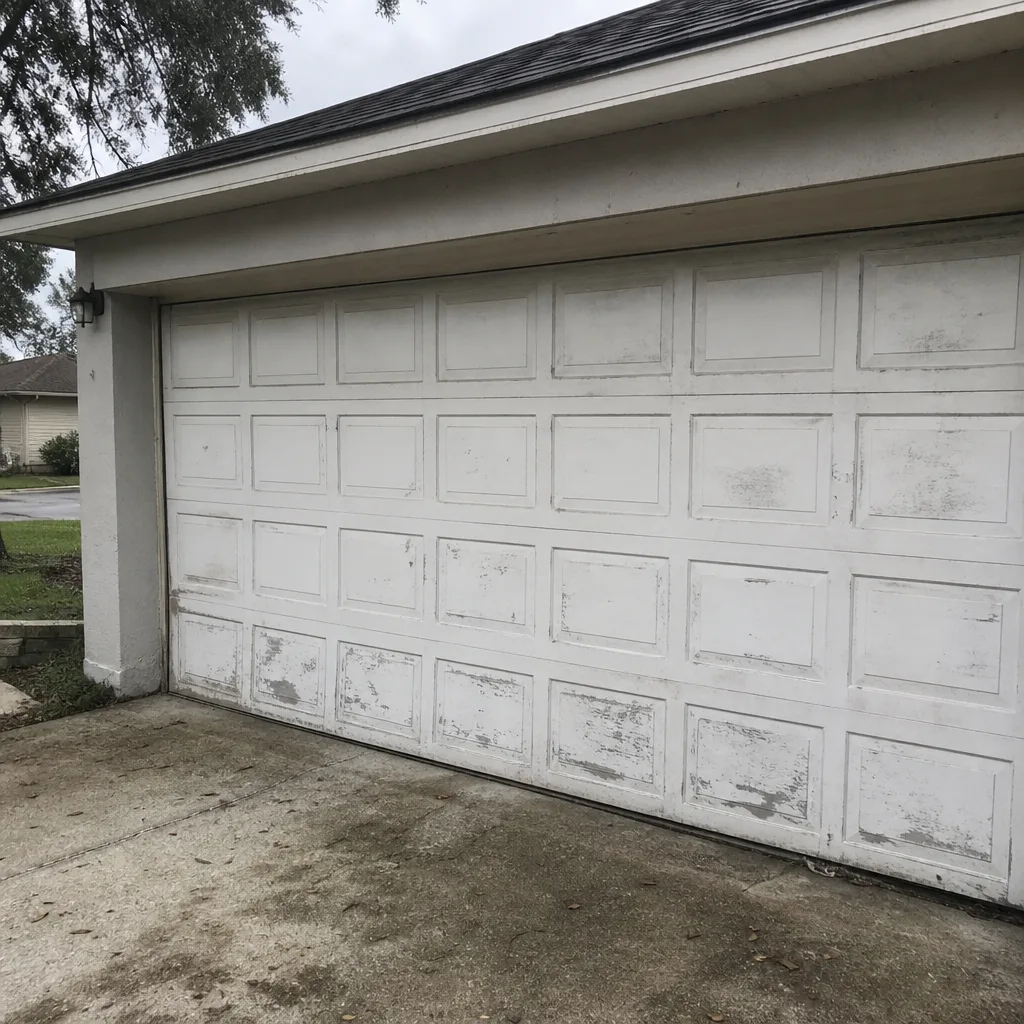 Before
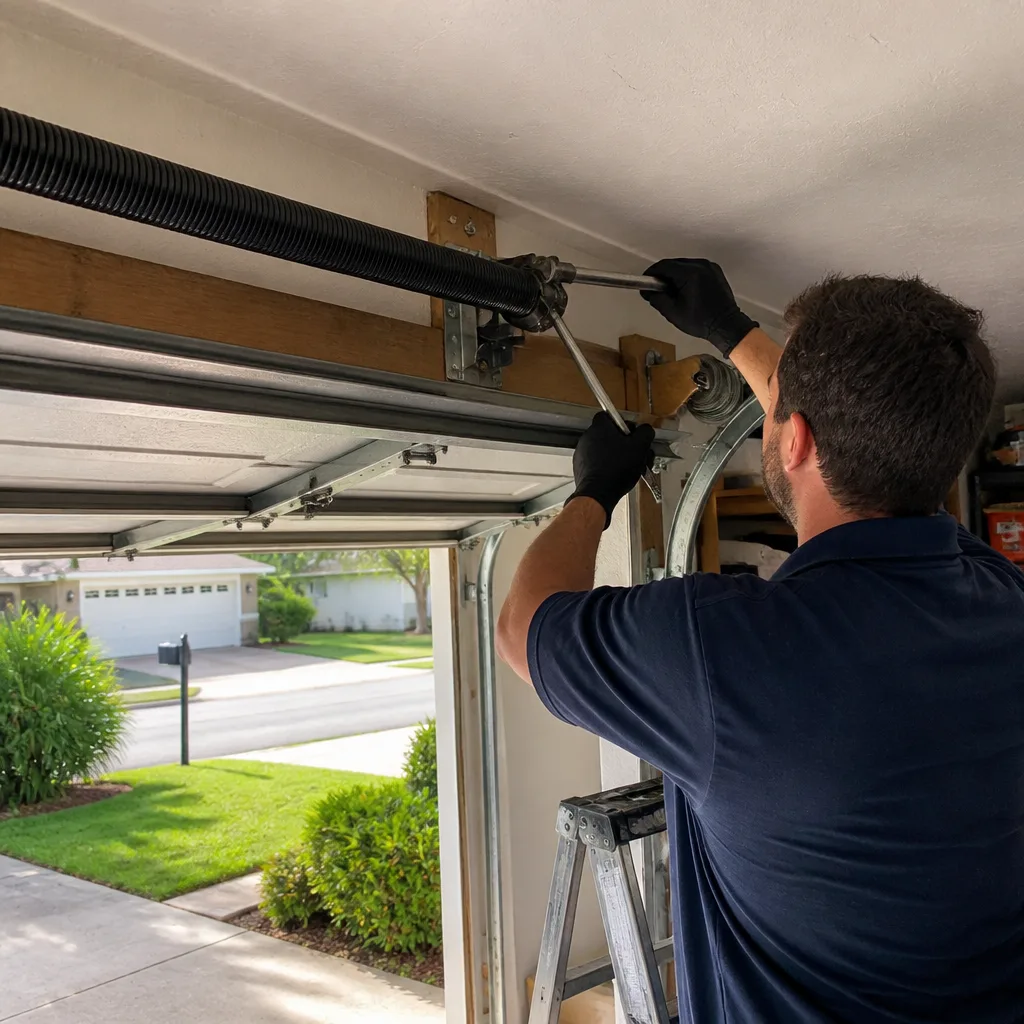 After
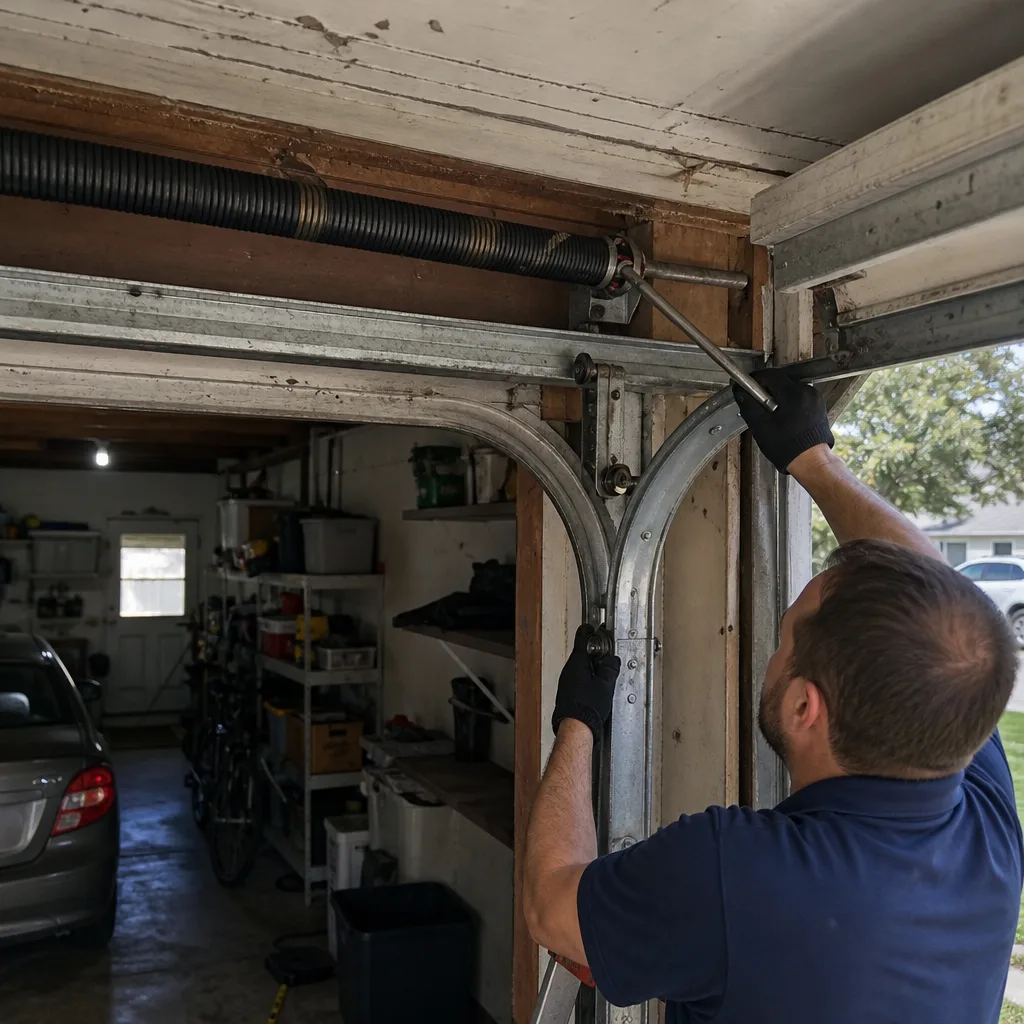 Before
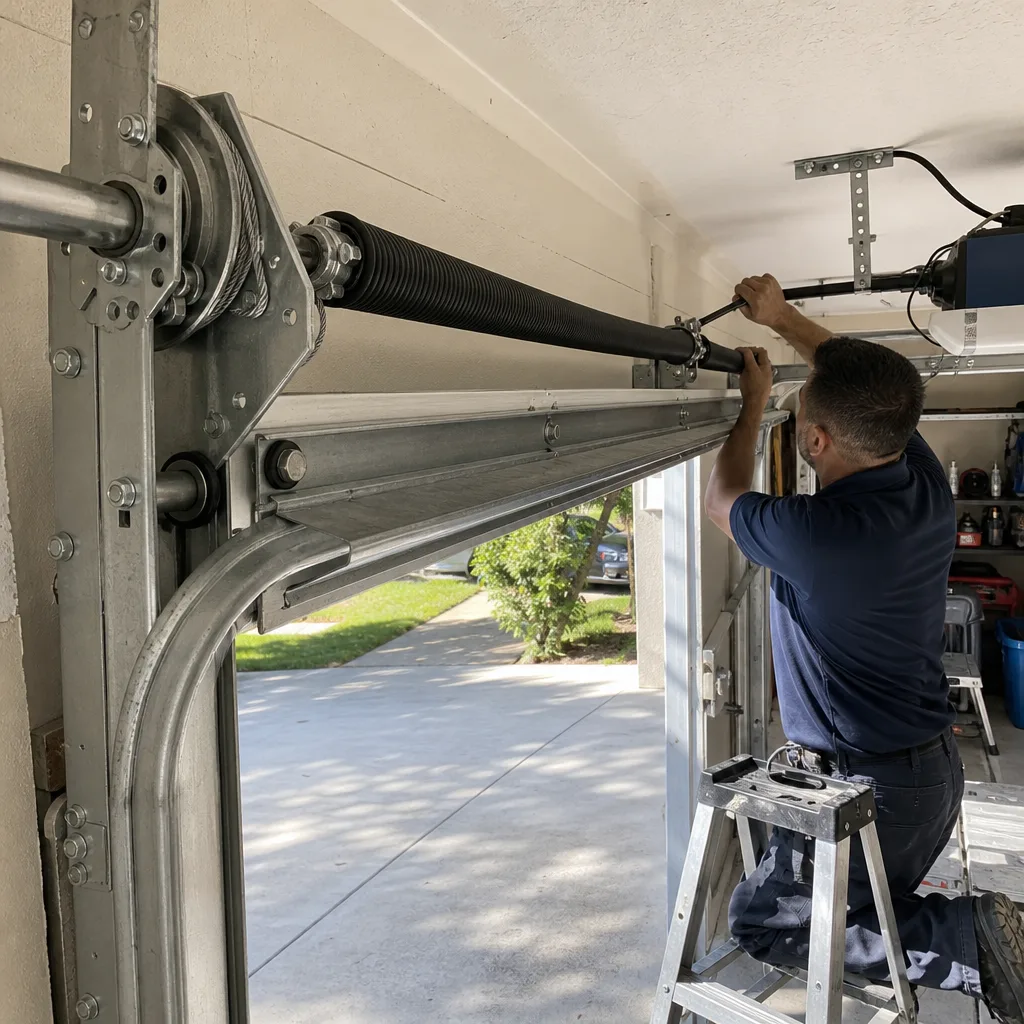 After
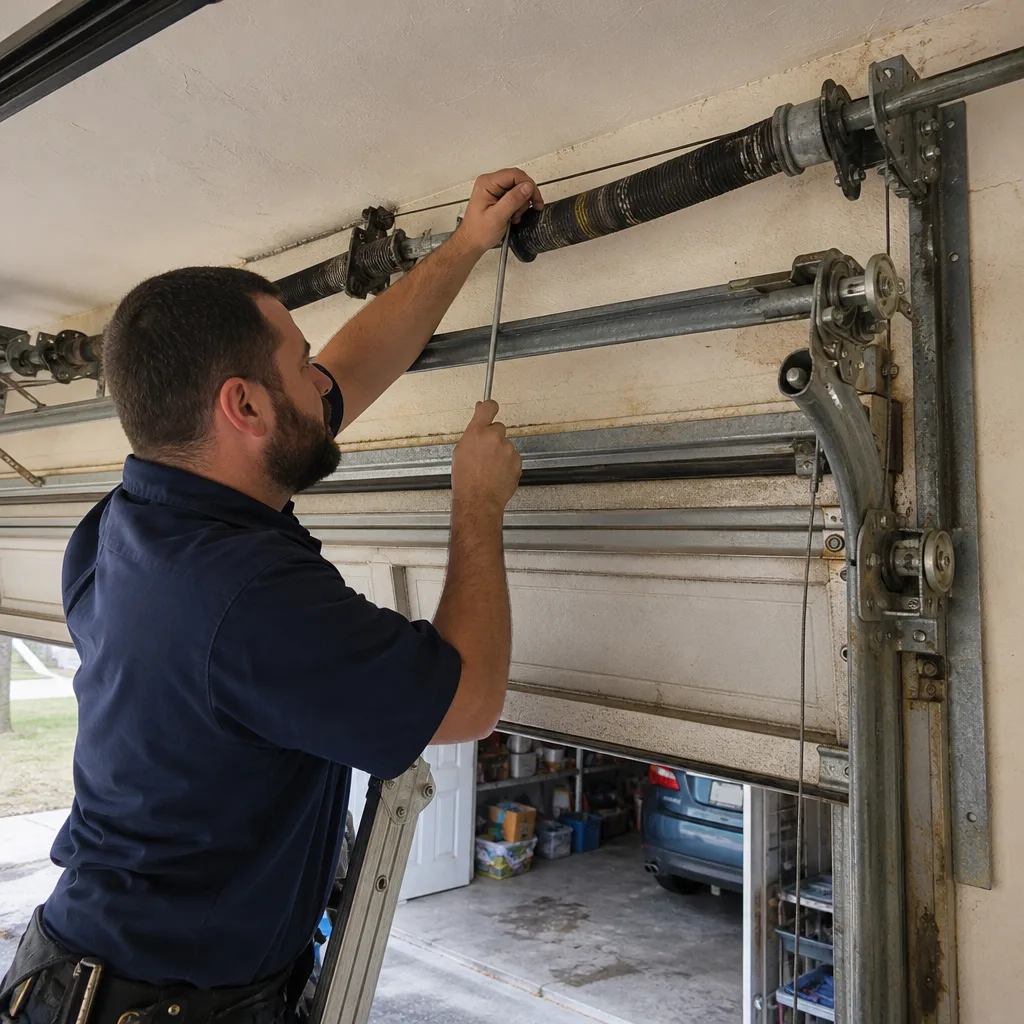 Before
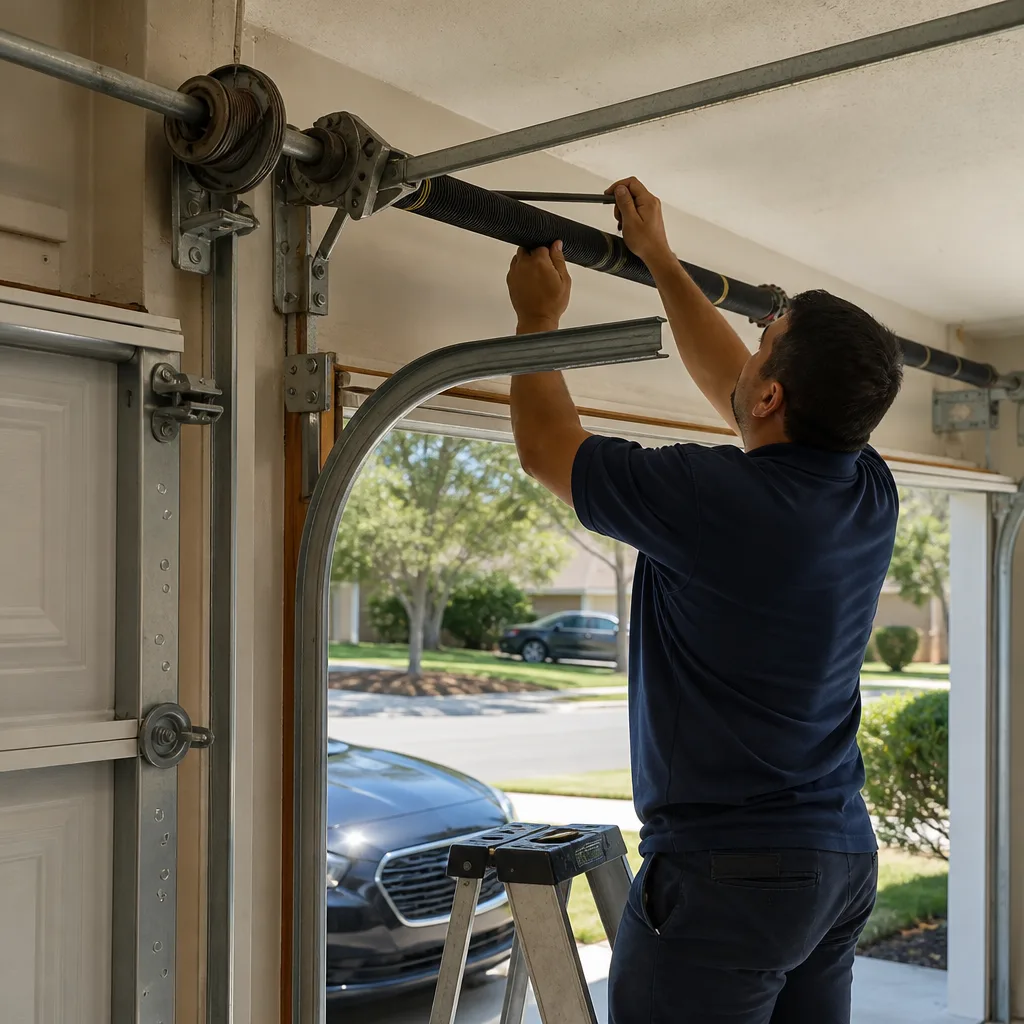 After