

Last updated October 31, 2026
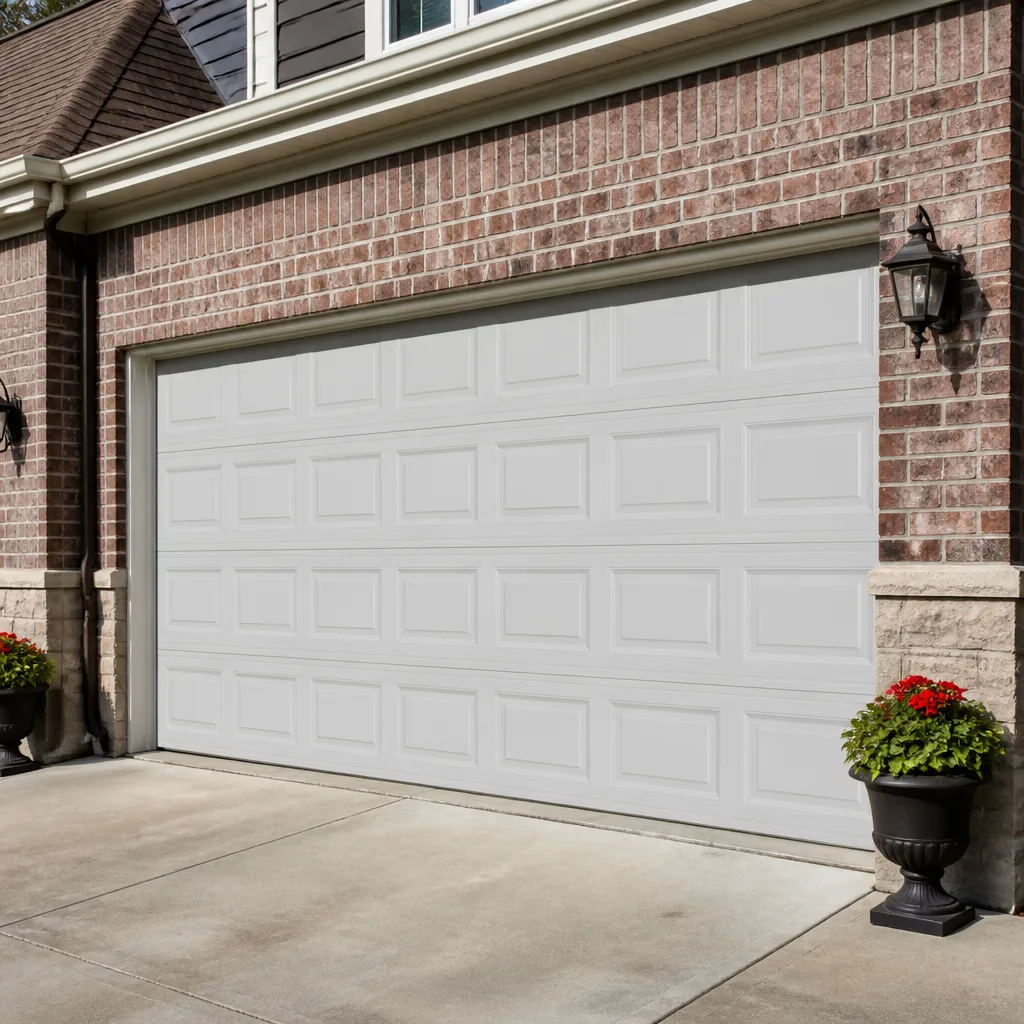 Raised-panel steel
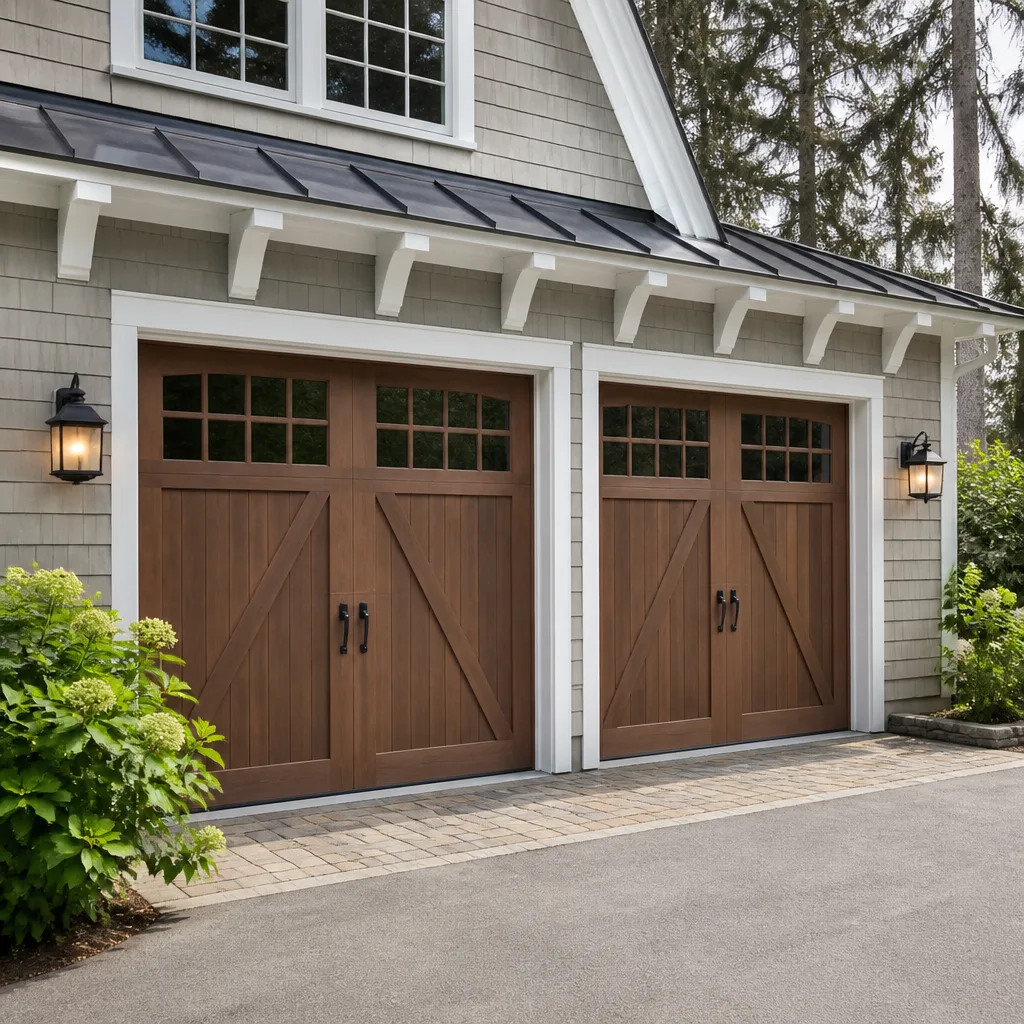 Carriage house
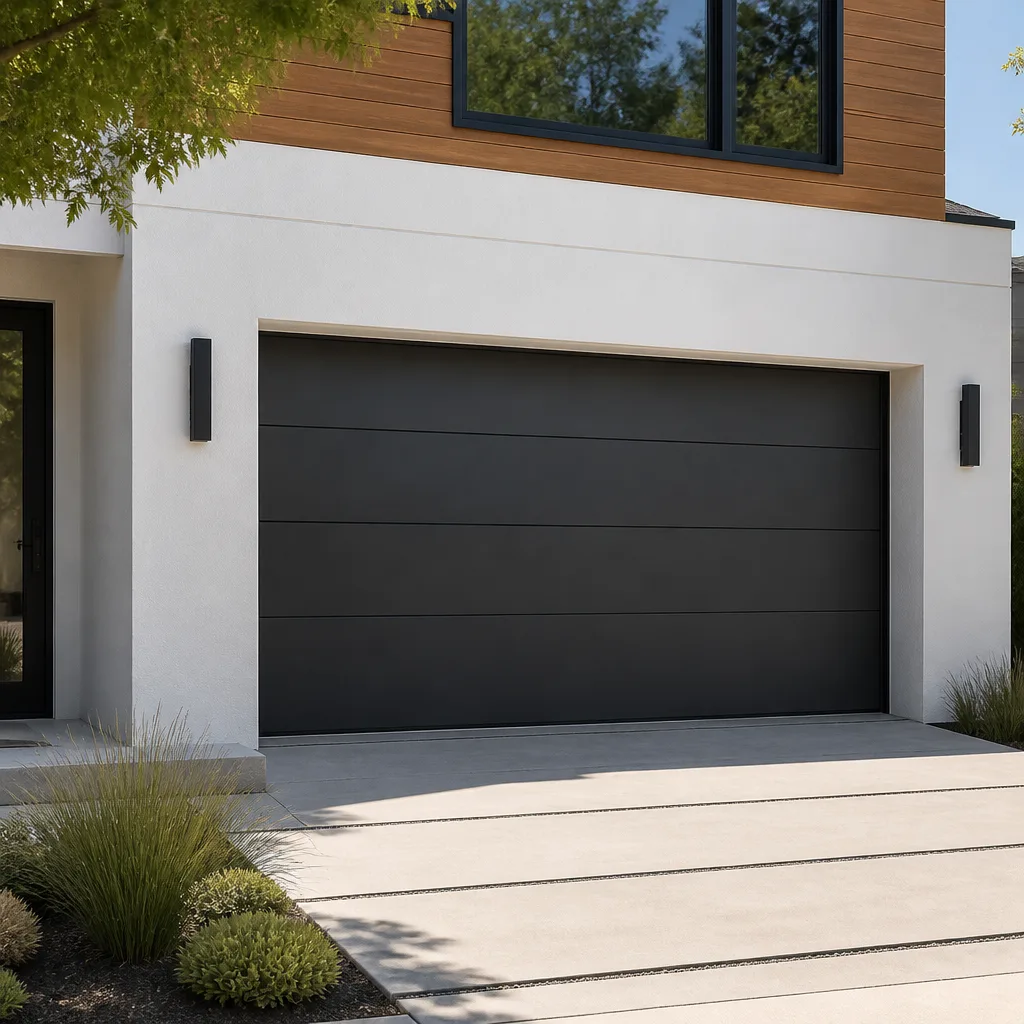 Modern flush
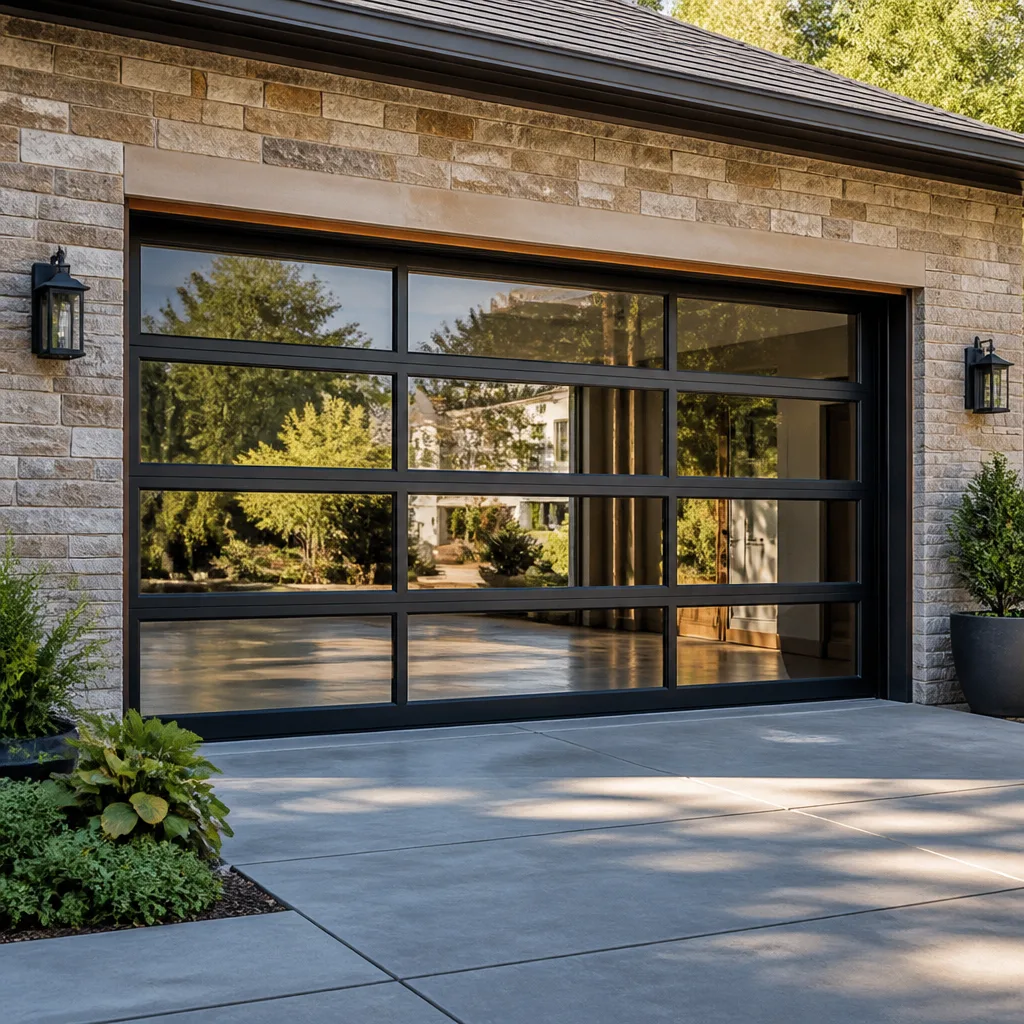 Full-view glass
 LiftMaster openers
 Chamberlain openers
Full 25-point door and opener safety check with every visit - springs, cables, rollers, tracks, and your LiftMaster or Chamberlain opener included
You get a price before we start. It does not change when the truck arrives.
Get your free estimateSeasonal Garage Door Care for Tampa: Year-Round Homeowner’s Guide
Most garage door maintenance guides you’ll find online were written for places with four distinct seasons. Tampa has two: a wet, punishing summer that runs from roughly June through October, and a drier, deceptively gentle winter that lulls homeowners into ignoring their doors for five months. Following a Chicago-style maintenance calendar in Tampa means rust blooms before you notice it, torsion springs fatigue faster than they should, and bottom seals crack right as hurricane season peaks. This guide reorganizes garage door care around Tampa’s actual climate: the humidity, the salt air, the daily thunderstorm cycles, and the UV exposure that doesn’t pause just because the temperature drops. For The Complete Guide to Garage Door in Tampa, see our overview. We’ll walk through what to do, when to do it, and why the timing matters for a door that opens and closes thousands of times each year in one of the most demanding climates in the continental U.S.
Styles & brands we work with
Quick Answer
Seasonal garage door care in Tampa means two primary service windows: a pre-rainy-season inspection in April or May (lubrication, seal replacement, spring tension check) and a dry-season alignment and refinish window from November through February (track realignment, panel refinishing, opener recalibration). Hurricane-specific bracing and post-storm inspections are non-negotiable additions that northern maintenance calendars never include. A Tampa garage door needs attention roughly four times per year, twice as often as a door in a temperate climate. Make it a habit before summer rains and after fall storms, and you’ll avoid most expensive failures.
Table of Contents
- Why Tampa’s Climate Punishes Garage Doors Differently
- The Pre-Rainy Season Checklist: April and May
- Hurricane Preparedness: The Garage Door Is Your Home’s Weakest Point
- Post-Storm Inspection: What to Check After a Tropical Event
- The Dry Season Window: November Through March
- UV Damage in Tampa: Steel, Wood, and When to Refinish vs. Replace
- Common Mistakes to Avoid
- When to Call a Professional
- Frequently Asked Questions
- The Bottom Line
Why Tampa’s Climate Punishes Garage Doors Differently
A garage door in Tampa endures an environment that would be considered extreme anywhere else: average humidity above 70% for six months of the year, daily afternoon thunderstorms from June through September, salt-laden air from Tampa Bay and the Gulf, and a UV index that sits in the “very high” range for much of the year. The result is a compounding set of problems. Moisture doesn’t just sit on the surface; it gets pulled into seams, hinges, and roller tracks. Salt accelerates corrosion on exposed metal. Intense sun breaks down paint and powder coatings faster than in northern latitudes. And the storm cycle (often happening while your door is closed) means any seal failure channels water directly into the garage floor, the door panels, and the hardware.
In our experience working on doors throughout Tampa, we see two seasonal failure patterns most often. First, torsion springs snap more frequently in early summer, because a winter of disuse allowed surface rust to form, and the first weeks of high humidity combined with daily temperature swings adds stress at the weakest point. Second, bottom seals fail in August and September, when the ground is hot and wet and the rubber stays compressed and saturated. Neither of these failures is random. Both are predictable and preventable with a seasonal routine matched to Tampa’s actual weather, not a generic northern calendar. For detailed troubleshooting steps, see The Complete Garage Door Repair Guide for Tampa Homeowners.
What You’re Up Against Year-Round in Tampa
- June through October: 70 – 90% humidity, daily convective storms, tropical threats. This is corrosion season for hardware and mold season for seals.
- November through March: Lower humidity, mild temperatures. Ideal for repainting, re-lubricating, and realigning. This is your only reliable refinishing window.
- April and May: Transitional. The ground hasn’t saturated yet and the first heavy rains are a month out. This is inspection and prep season.
- Salt exposure: Homes within three miles of Tampa Bay or the Gulf get measurable salt deposition on metal surfaces. If you smell the water, your door hardware feels it.
The Pre-Rainy Season Checklist: April and May
The most important maintenance window in Tampa is the six weeks before the first sustained June rainfall. Once the daily downpours start, you’ve lost your easiest opportunity to protect the door before it takes six months of abuse. April and May are dry enough that you can work in the driveway, but close enough to the wet season that your prep is still fresh when the humidity arrives.
Step-by-Step Pre-Rainy Season Protocol
- Inspect the bottom seal. Run your hand along the rubber strip at the base of the door. Look for cracks, flattening, or gaps where the seal meets the concrete. A seal that’s compressed to half its original height won’t keep water out in a Tampa downpour. Replace it before June.
- Lubricate all moving parts. Use a lithium-based or silicone spray on hinges, rollers, and bearing plates. Skip the WD-40; it’s a solvent, not a lubricant, and it’ll strip any existing protection. A few sprays per hinge is enough.
- Check spring tension. Disconnect the opener (pull the red release handle) and lift the door manually. It should rise smoothly to about waist height and hold its position. If it slams to the ground or flies up, the springs need adjustment. This is the single most dangerous component on your door, so don’t try to adjust it yourself.
- Test the auto-reverse safety feature. Place a 2×4 flat on the ground under the door’s path. Close the door; it should reverse when it contacts the board. If it doesn’t, get the opener repaired immediately. This isn’t a convenience issue. It’s a safety feature that prevents serious injury.
- Clear the track and weatherstripping channels. Debris from spring pollen, lawn clippings, and general Tampa dust accumulates in the tracks. Brush out anything that doesn’t belong. Bent or kinked tracks need professional realignment.
- Check the frame and flashing for gaps. Look at the area where the door frame meets the house. Caulk any visible cracks that could admit wind-driven rain. Tampa’s storm rain comes sideways; the door frame is a common entry point homeowners miss.
This checklist takes about 45 minutes for a confident DIYer, and it’s the difference between a door that lasts 15 years in Tampa’s climate and one that rusts out in eight. If you’d rather have a trained eye handle the spring check, our garage door repair team in Tampa covers the full pre-season inspection, and we quote before any work starts.
Hurricane Preparedness: The Garage Door Is Your Home’s Weakest Point
Wind engineers and insurance inspectors agree: in a hurricane, the most vulnerable part of a home’s envelope is the garage door. A standard double-wide garage door has more surface area than any other single element of the house, and once it fails, the pressure differential can peel the roof off from the inside. This isn’t a scare statistic; it’s been documented in damage surveys after every major Tampa Bay storm, from Hurricane Irma in 2017 to the near-misses since.
Tampa homeowners have specific hurricane considerations. The National Hurricane Center consistently identifies the Tampa Bay region as one of the most surge-vulnerable locations on the Gulf Coast. Storm surge affects the garage first, even in flooding scenarios that leave the living areas dry. Wind-borne debris from construction sites (and there are always construction sites in Tampa) can puncture a flimsy door panel. And the region’s flat terrain means there’s nothing to slow down the wind before it hits your home.
What Actually Works for Garage Door Bracing
- Horizontal bracing systems. Kits that bolt aluminum or steel struts across the back of the door sections. These are affordable, permanent, and effective when installed correctly. A properly braced door can withstand significantly higher wind pressures than an unbraced door.
- Impact-rated replacement doors. If you’re replacing your door anyway, a Miami-Dade county or Florida Building Code-approved impact-rated door is the gold standard. They’re required in South Florida and increasingly recommended in Tampa, especially for homeowners east of I-275.
- Reinforcing the weakest point. Most garage door failures start at the track-to-wall connection or the jamb. Ensuring the tracks are anchored with the right gauge fasteners into solid framing is often more important than the door panel itself.
You don’t need to become your own structural engineer. What you need is an honest assessment of your current door’s wind rating and the right brace kit or replacement plan for your budget. For a full replacement recommendation based on what’s right for the door, not what’s easiest to sell, our Tampa installation team can come out, measure, and give you a written price before you commit to anything.
Post-Storm Inspection: What to Check After a Tropical Event
After any Tampa storm with sustained winds above 40 mph, or any storm that pushed water against your garage, take 20 minutes to inspect the door. Even if it opens and closes normally, storm forces can cause damage that doesn’t show up immediately. Here’s your after-action protocol:
- Inspect the seams between panels. Wind forces can shift panels slightly, compressing the weatherstripping and cracking the paint or powder coating at the joints. Look for shifted seams that no longer sit flush.
- Check the top panel and opener mount. The top panel takes the most wind load. Look for bowing or denting. Listen for rattling from the opener mount on the ceiling; wind loads can loosen the lag screws over time.
- Run the door through a full cycle, listening. New grinding, squealing, or shaking indicates rollers or bearings took a hit, even if it sounds minor. Ignore it now and you’ll be paying for a snapped cable in a month when the door’s under tension and the ambient humidity is at its peak.
- Look at the bottom seal and the concrete around the garage floor. Storm water can force the bottom seal out of its channel. Check the inside of the garage floor for water staining, which tells you water came in somewhere. If water got under the door, the seal and possibly the door’s weatherproofing system needs attention.
- Document everything. Photos of the door, tracks, and any visible damage matter for insurance claims, even if you think the damage is minor. You’re not wasting time; you’re building a record if a later failure turns out to be storm-related.
Get this done within a few days of the storm, not weeks. In our experience, the homeowners we talk to months later after a door failure often remember a storm and a “funny noise” that they set aside. The best time to catch storm damage is when the evidence is fresh.
The Dry Season Window: November Through March
Tampa’s dry season is the most underused maintenance period in the entire state. While the rest of the country is shoveling snow, we have five months of 70-degree days with low humidity. That’s your window for work that needs dry air to be done well. Miss it and you wait another year, or you do the job in conditions that compromise the result.
What Should Be Done Only in the Dry Season
- Track realignment. Metal expands and contracts with temperature and moisture. Doing precise track alignment in June’s humidity means redoing it in December. Do it when the air is dry and the door frame is stable.
- Full lubrication. A thorough lubrication in November lasts longer and penetrates better than a rushed job in the wet season. The dry air helps the lubricant cure into the hinge pins and bearing plates.
- Opener recalibration. The travel limits and force settings on your opener drift over time with changing temperatures. Recalibrating in the dry season means the opener is reading the door’s actual weight and travel path correctly before you depend on it through storm season. For any opener work beyond basic remote programming, our opener repair team in Tampa works on LiftMaster, Chamberlain, Genie, and Craftsman units, including both smart systems and older mechanical drives.
- Interior garage organization and floor cleanup. While you’re maintaining the door, the dry season is also the time to clear out whatever’s been collecting near the tracks and photo-eye sensors all summer. Those boxes stacked four feet from the door might be blocking the safety sensor.
One note on the dry season: don’t be fooled by your door working fine in January. A door that’s never opened during the summer because the garage has become a storage room will hit August with dry bearings and stiff hinges. If you don’t use the door daily, open and close it at least once a week year-round. Moving parts need to move.
UV Damage in Tampa: Steel, Wood, and When to Refinish vs. Replace
Tampa sits at about 28 degrees north latitude. That means the sun is intense even in January, and paint on a garage door here takes a beating that a Chicago door never will. The old rule of thumb is that a garage door with a factory finish should be repainted every 5 to 7 years in a temperate climate. In Tampa, it’s more like 3 to 4 years for a door with full western or southern exposure. Here’s how UV affects the two most common door materials in Tampa homes:
Painted Steel Doors
UV breaks down the binder in paint and powder coatings. The first sign is chalkiness when you run your hand over the surface. The second sign is fading, most visible on the bottom panel and the edges facing the road. Once the coating is compromised, moisture from Tampa’s humidity gets through to the steel underneath, and that’s when rust starts. Rust on a garage door panel doesn’t announce itself from the outside; it grows between the paint and the steel, bubbling up months after the damage is done. If you see paint bubbling anywhere on the door, the panel needs to be sanded and refinished before the rust eats through. In the worst cases, the panel needs replacement.
Wood Doors
Wood doors in Tampa have a harder life than steel. The combination of intense sun on the west or south face, followed by evening thunderstorms, causes repeated expansion and contraction that cracks paint and varnish. Once water gets into the wood, Tampa’s insect activity finishes the job. Palm harbor and South Tampa homeowners with wood carriage doors should plan on refinishing every 2 to 3 years, and should check the bottom edges of panels every spring for soft spots. A wood door that’s been neglected for five years in this climate is usually beyond saving, and the replacement conversation becomes about whether to go back to wood or switch to a steel or composite door. For help deciding, read Choosing the Right Garage Door Brand: A Buyer’s Guide for Tampa.
The refinish-or-replace decision comes down to checking one number: the thickness of the metal or wood left after you remove the surface coating. For a steel door, if you can flex a panel by hand, the metal has thinned enough that replacement is smarter than another repaint. For wood, if a screwdriver sinks into a bottom panel, replace the panel or the door. For a second opinion without a sales pitch, contact Vintage Garage Door Service and we’ll assess the door honestly.
Common Mistakes to Avoid
- Using WD-40 as a garage door lubricant. It’s the most common mistake we see in Tampa garages. WD-40 is a water displacer and solvent, not a lubricant. It will strip away existing grease and leave your rollers running dry within a week. Use a silicone spray or white lithium grease instead.
- Adjusting springs yourself. Torsion springs hold hundreds of pounds of tension. A spring that releases while you’re working on it can cause life-changing injuries. This is the one repair where professional assistance isn’t optional. Tampa’s local building codes also require specific tension settings for wind-rated doors, and a DIY adjustment will void most manufacturer warranties.
- Painting over rust. A quick hit of spray paint over a rust spot on the bottom panel lasts about two months in Tampa humidity before the rust bubbles through again. You have to remove the rust down to clean metal, prime, and then paint. Skipping the prep step is wasted effort.
- Ignoring the auto-reverse function because the door “works fine.” The auto-reverse safety mechanism has prevented more Tampa-area injuries than any other feature on a garage door. If it doesn’t reverse when it hits an object, every cycle is a risk to anyone or anything under the door.
- Waiting until June to do maintenance. By the time you’re thinking about the door in June, it’s already humid and rainy. The inspection you do in October after six months of storm season is repairing damage, not preventing it. The right time in Tampa is always April, not “whenever it acts up.”
- Buying the cheapest replacement parts online. A bargain-house torsion spring or no-name roller might fit, but it wasn’t built for a coastal Florida environment. Generic hardware rusts faster and fails sooner in Tampa’s salt air. Choose components rated for coastal environments, or let a professional source them.
When to Call a Professional
Some garage door tasks are DIY-appropriate for a careful homeowner: wiping down tracks, spraying hinges, replacing remote batteries, tightening visible bolts. Other tasks cross into dangerous territory quickly. Torsion springs and lift cables are under extreme tension and have caused serious injuries and deaths in Tampa garages. Track realignment and panel replacement require equipment and experience that DIY attempts usually make worse. Any post-storm bowing or misalignment is best assessed before you use the door regularly again. If the door is off its tracks, if the springs have snapped, if the opener is making grinding sounds from the motor, or if you’ve had hurricane-force wind against the door, call a professional. Vintage Garage Door Service offers free estimates in Tampa. Call (866) 253-5794 and we’ll assess the whole system, quote the work, and stand behind the fix.
Frequently Asked Questions
Twice a year is the minimum in Tampa’s climate: once in April before the rains and once in November when the dry season begins. Doors within a few miles of the bay may need a third light pass in August because the salt and humidity combination strips lubrication faster than inland. Use silicone spray or white lithium grease on hinges, rollers, and spring parts.
Horizontal brace kits from reputable manufacturers come with detailed instructions and can be installed by a capable homeowner, but installation quality matters more than the kit itself. If the posts aren’t anchored into the track support and the door frame correctly, the brace system won’t perform under wind load. Many Tampa homeowners prefer to have the bracing installed professionally, especially for double-wide doors where the wind surface area is largest.
Replacement is best done in the dry season, from November through March, when the work isn’t being rushed between afternoon thunderstorms and the door can be installed and sealed in dry conditions. That said, if your door is damaged after a storm, don’t wait for the dry season. A compromised door is a security and weather-proofing issue; replace it when it needs to be replaced.
Because failure in Tampa’s climate doesn’t announce itself ahead of time. Torsion springs snap suddenly. Seals fail when the first storm hits. Opener gears strip when the humidity rises. The maintenance you do in April and November is what prevents the failure in July or September. For a door that opens and closes multiple times daily, an annual professional inspection is the minimum, and twice a year is appropriate in this environment. Call us at (866) 253-5794 for an exact quote on a maintenance visit. Estimates are free.
No. The price we quote is the price you pay, and it’s agreed before any work starts. This applies to inspections, repairs, and full installations. We measure, diagnose, and give you a written quote. You approve it, we do the work, and you pay what was quoted. That’s the Vintage standard, and it applies to every job on repairs in Tampa, opener work, and new installations.
In most cases, yes. Our technicians carry common springs, rollers, seals, sensors, and opener parts that fit LiftMaster, Chamberlain, Genie, and Raynor systems, among others. That means many repair jobs are completed in a single visit. If we need a specialized panel or rare opener part, we’ll tell you upfront and give you a timeline before you commit to anything.
The Bottom Line
Tampa’s garage door maintenance calendar runs on a two-season rhythm, not four. April and May are for inspection, lubrication, seal replacement, and spring checks before the wet season arrives. November through March is your window for precise work like track realignment, opener recalibration, and refinishing sun-damaged panels. Hurricane bracing and post-storm inspections get added whenever a storm enters the picture, and those aren’t optional in Tampa Bay. The homeowners who follow this pattern get longer door life, fewer mid-storm failures, and lower total repair costs over the life of the door. It’s not about more maintenance; it’s about doing the right work at the right time. For more guides & resources, visit our blog. If you’re not sure where your door stands, start with a free estimate. Call us at (866) 253-5794 and we’ll take a look.
Written by the team at Vintage Garage Door Service, serving Tampa since 2012.
See the difference
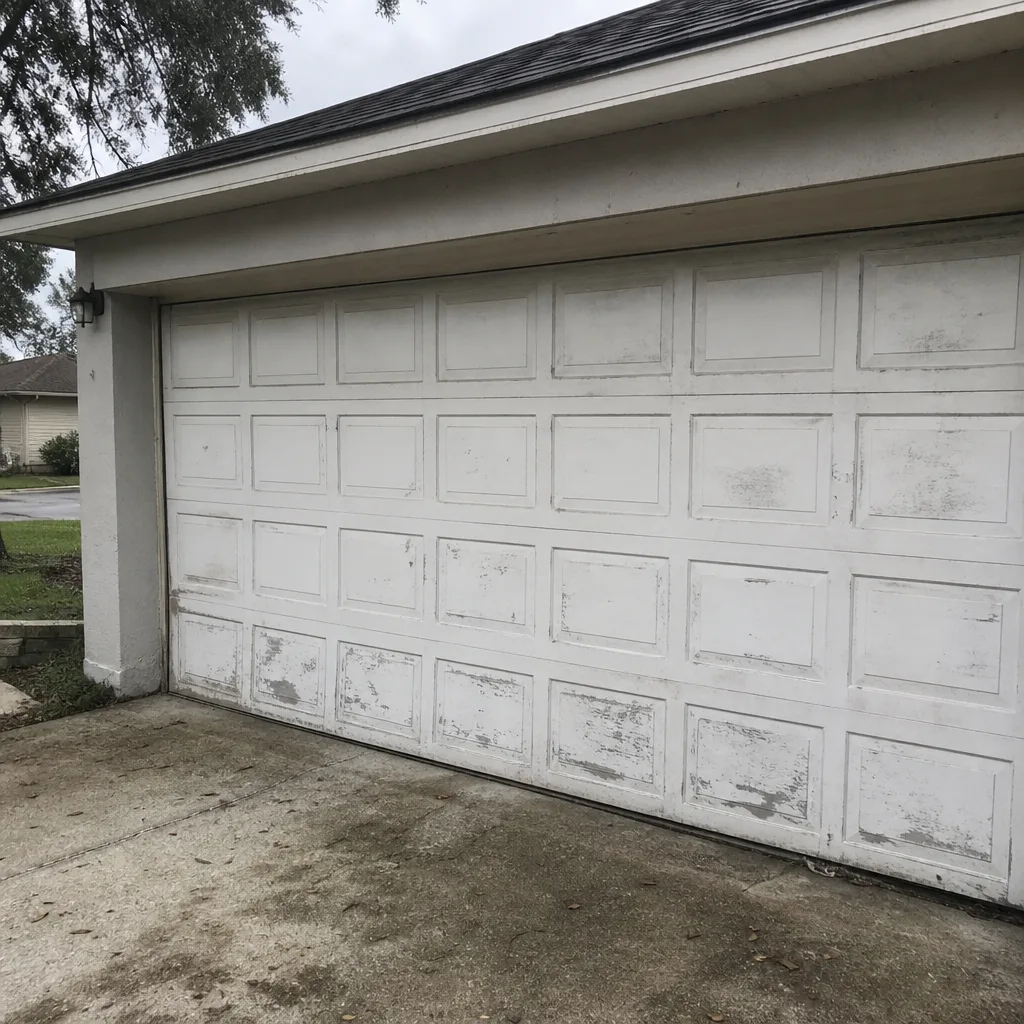 Before
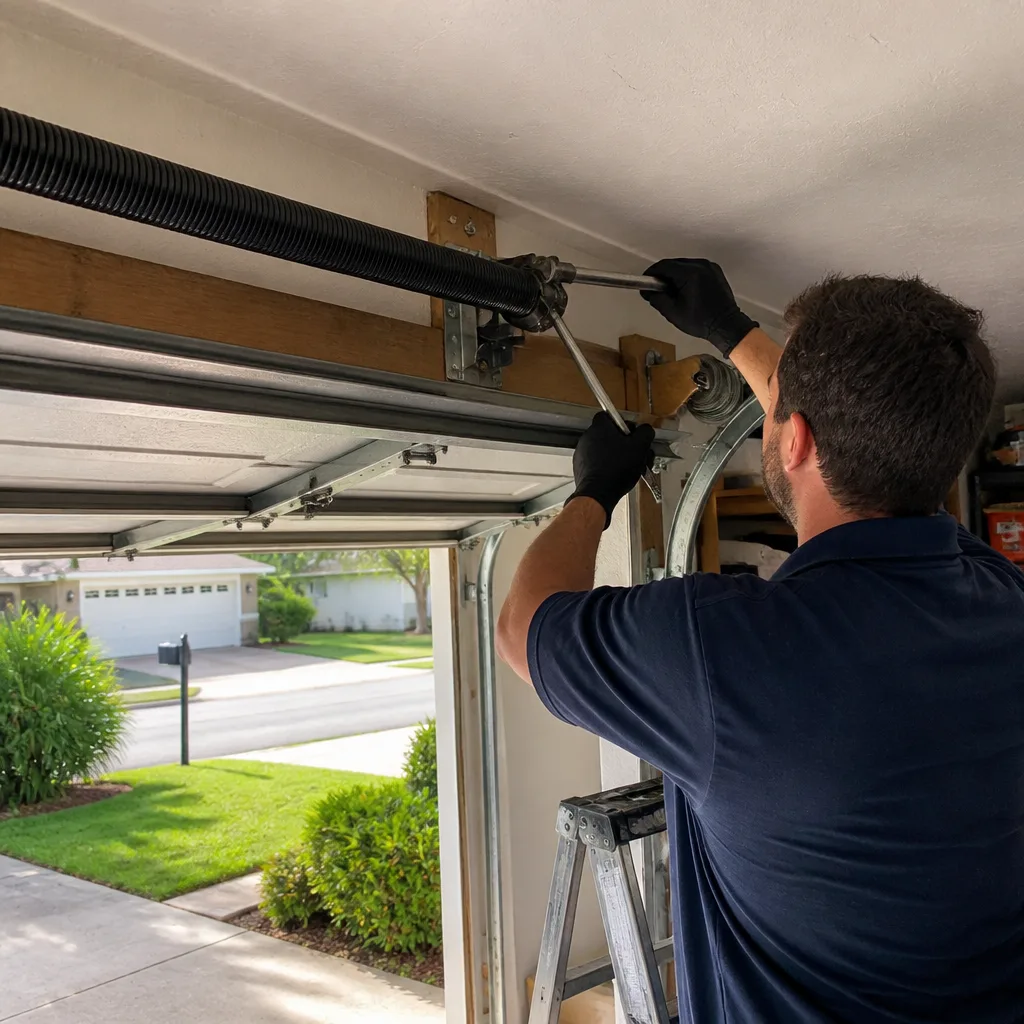 After
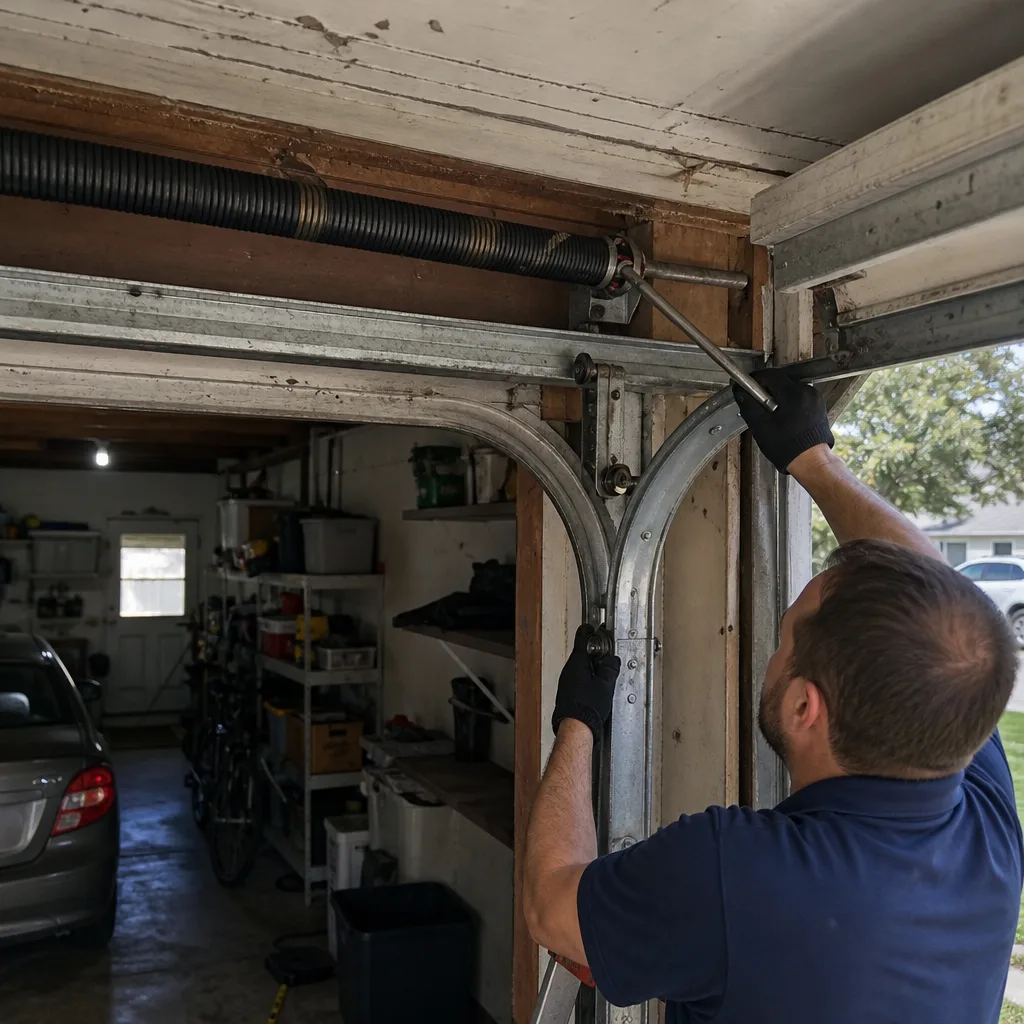 Before
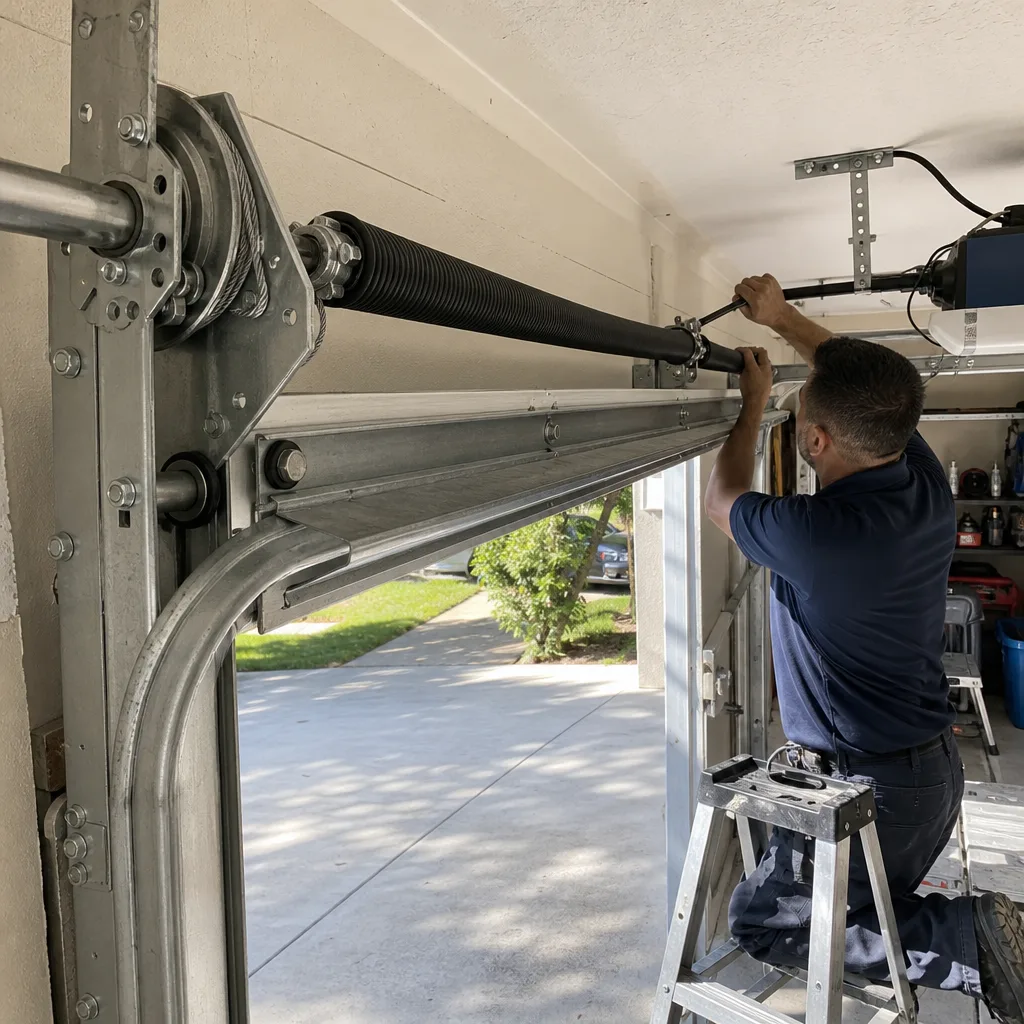 After
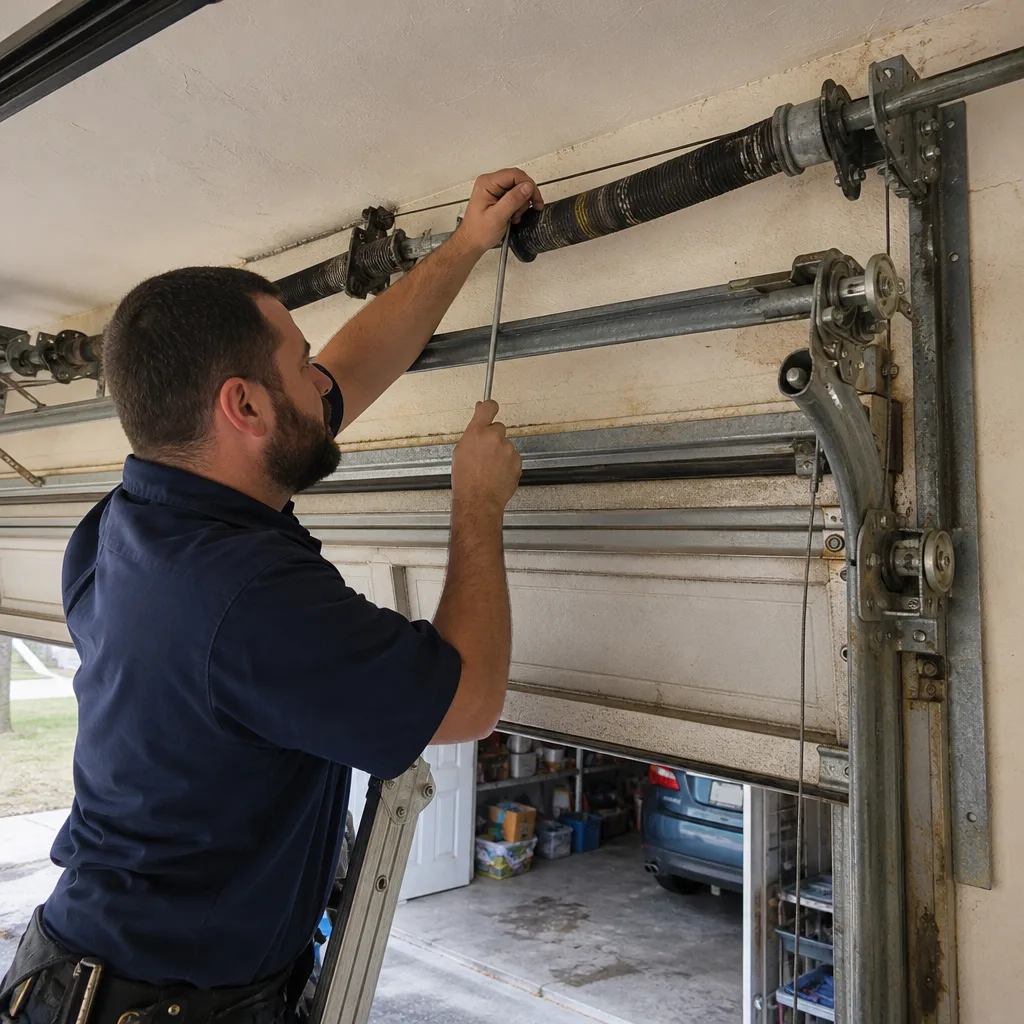 Before
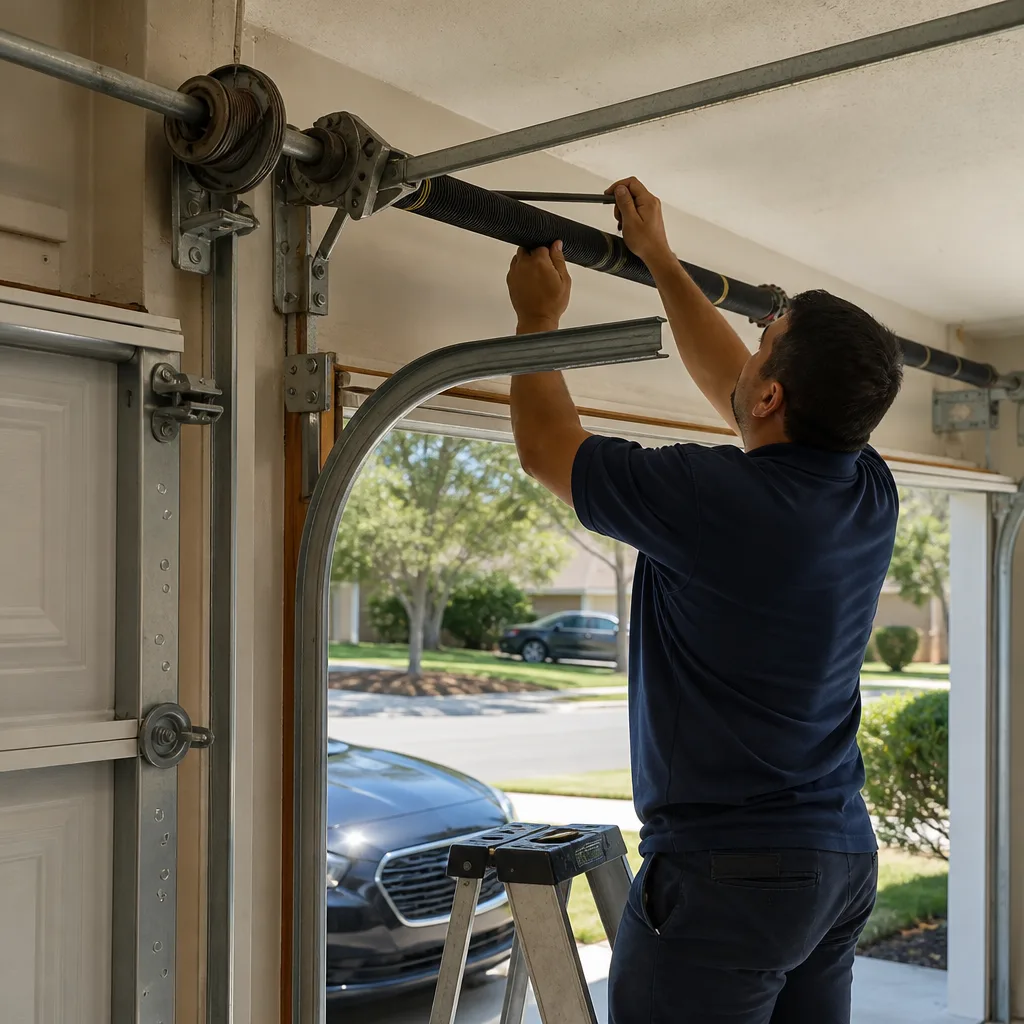 After