

Last updated October 31, 2026
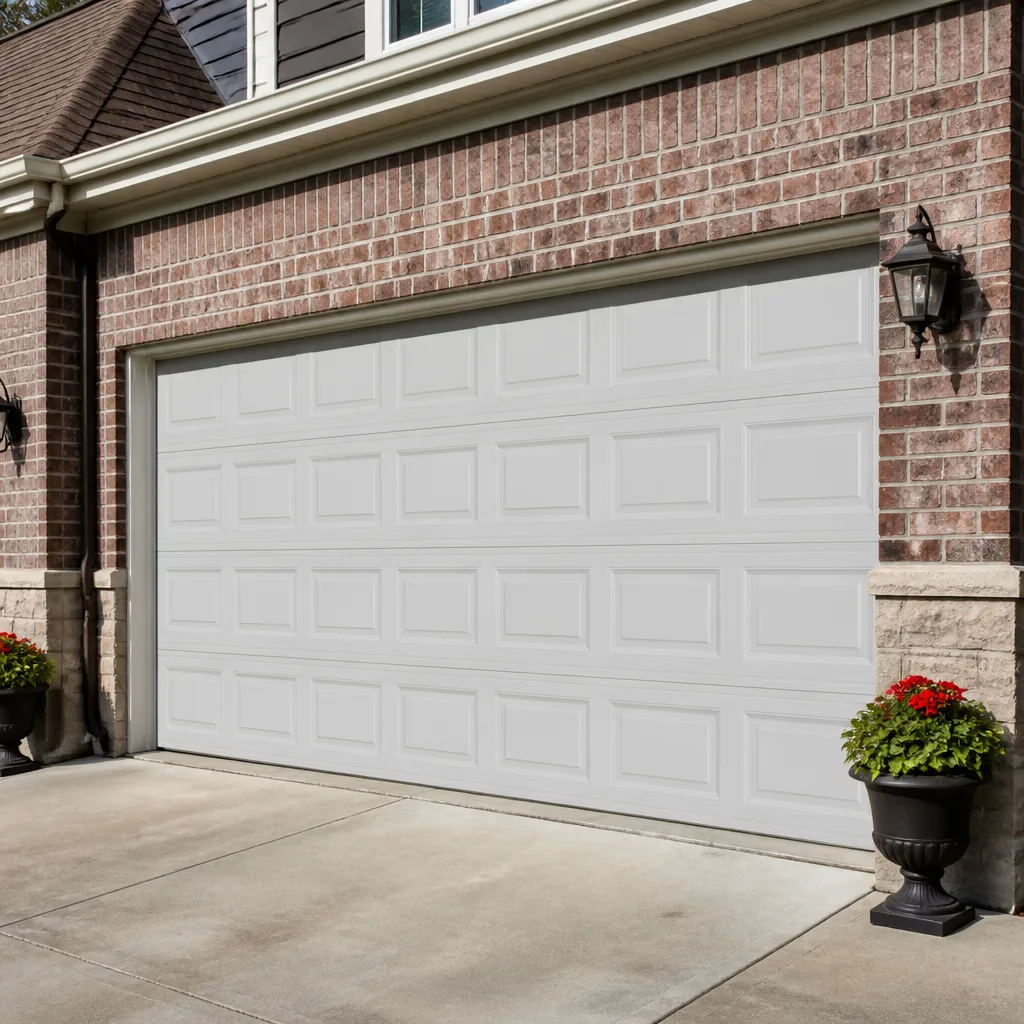 Raised-panel steel
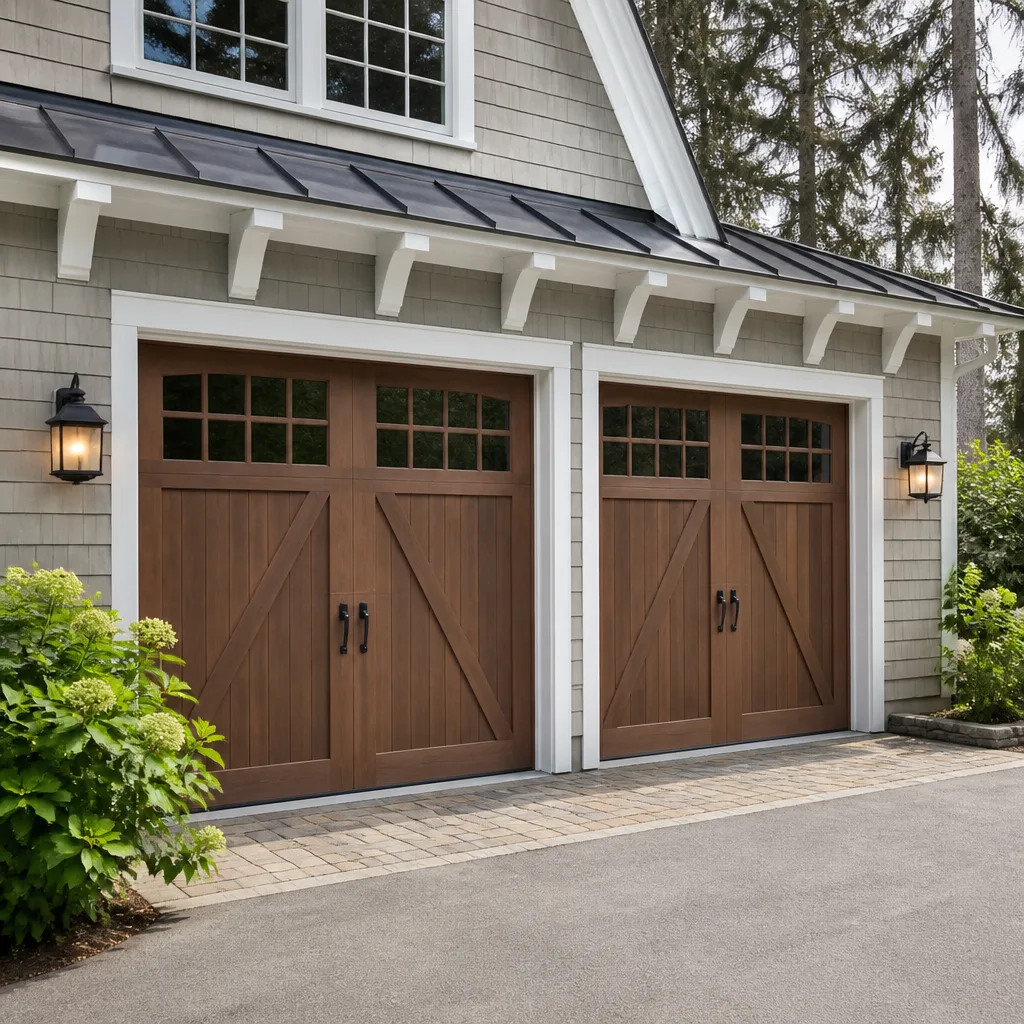 Carriage house
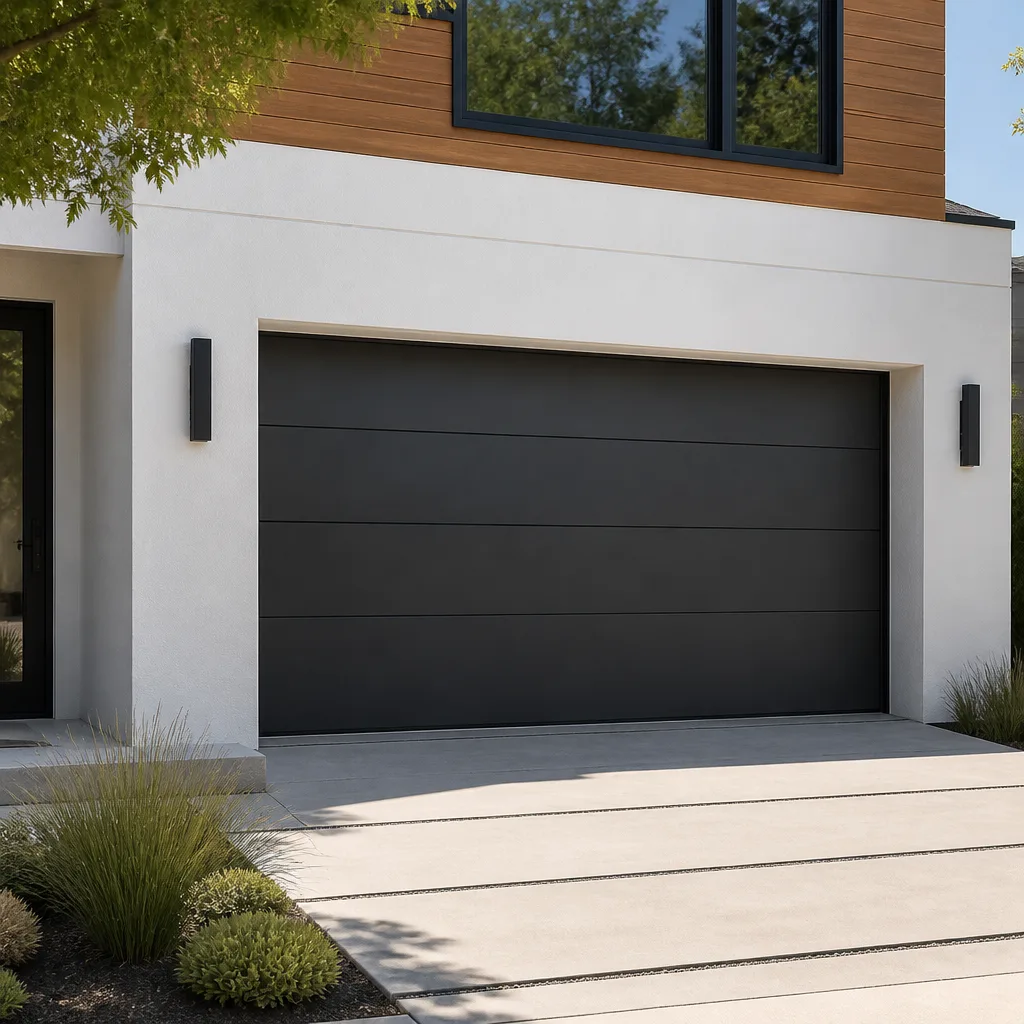 Modern flush
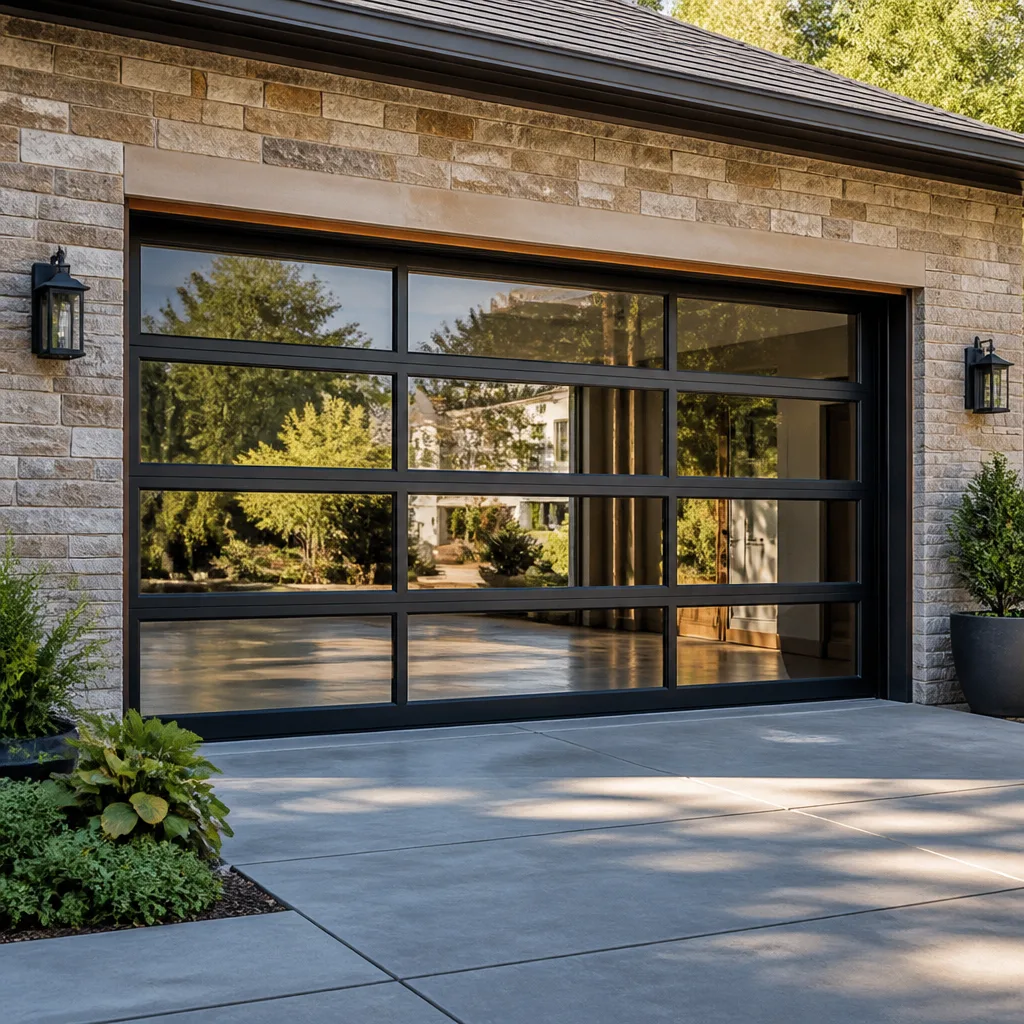 Full-view glass
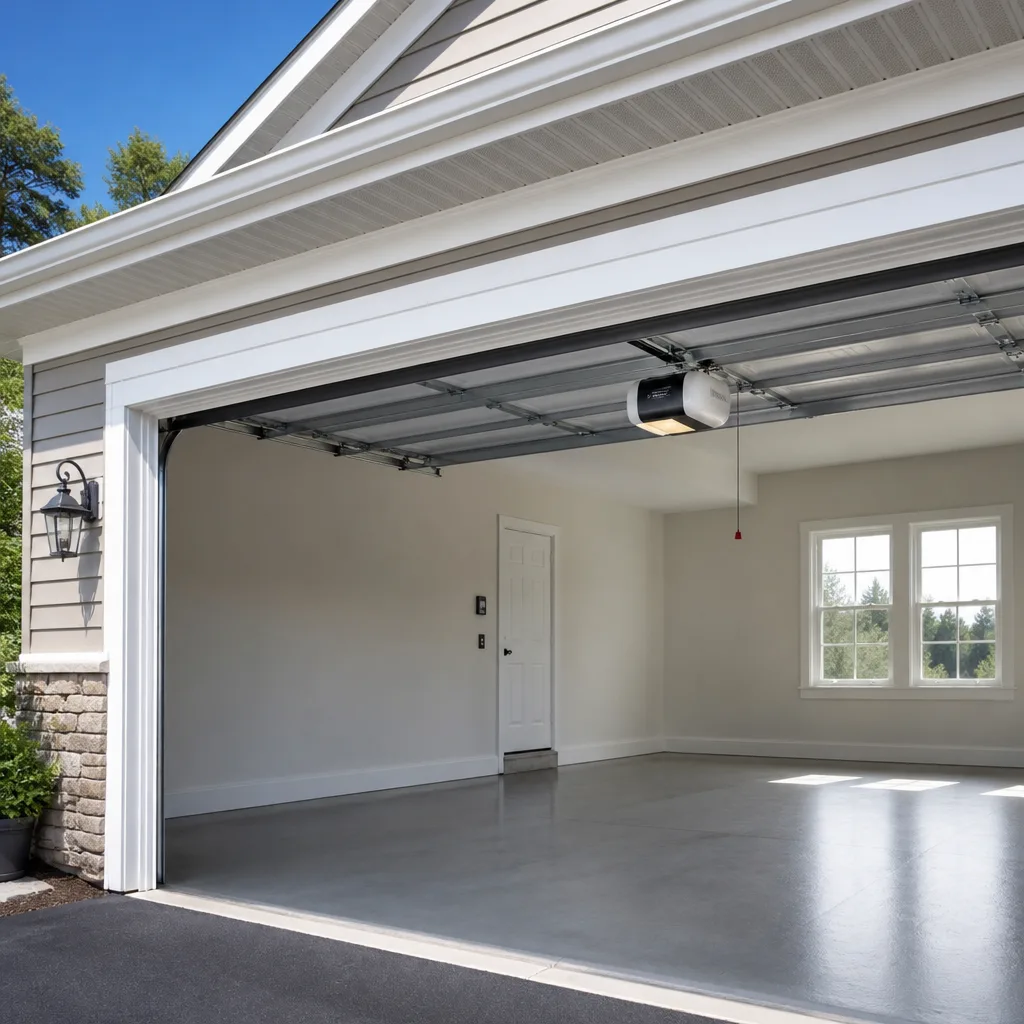 LiftMaster openers
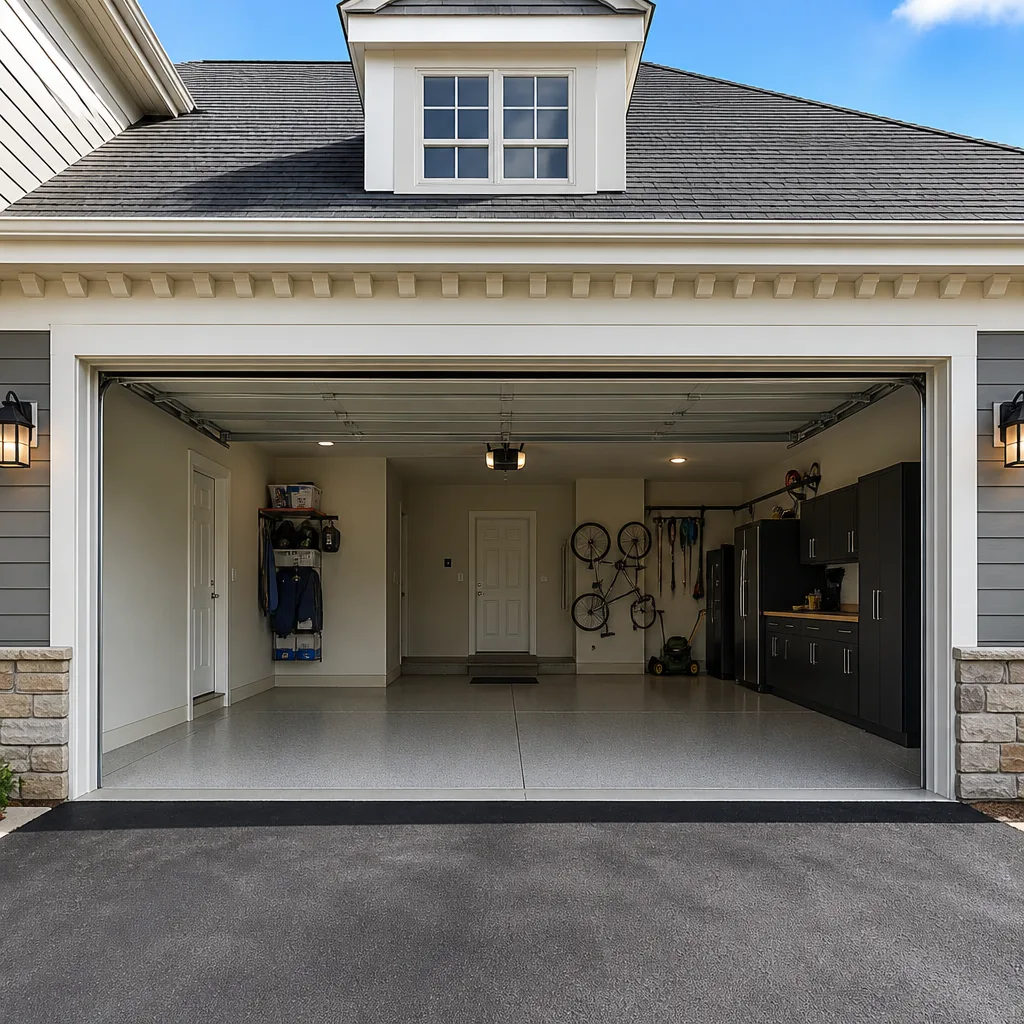 Chamberlain openers
Full 25-point door and opener safety check with every visit - springs, cables, rollers, tracks, and your LiftMaster or Chamberlain opener included
You get a price before we start. It does not change when the truck arrives.
Get your free estimateGarage Door Repair Maintenance Checklist for Tampa Homeowners
Most garage door maintenance advice you’ll read was written for Ohio or Minnesota. Apply it down here and you’ll be lubricating at the wrong time, replacing weatherstripping that hasn’t actually failed, and missing the corrosion that Tampa’s humidity accelerates year-round. A garage door in Tampa doesn’t fail because owners skip maintenance. It fails because they follow a Northern calendar that was never meant for a climate with eight months of 80% humidity, daily afternoon thunderstorms, and salt air pushing inland from the bay. This guide gives you a month-by-month rhythm built specifically for how garage doors actually age in Tampa, what breaks first, and what you can catch before it costs real money. For professional help, see our Garage Door Repair services.
Styles & brands we work with
Quick Answer
Garage Door Repair Troubleshooting: Common Problems and How to Fix Them starts with the basics: garage door maintenance in Tampa should follow a month-by-month rhythm tied to the rainy season, not a generic seasonal schedule. Lubricate moving parts in October and May (dry-season bookends), inspect weatherstripping for UV brittleness in March, check torsion springs monthly during summer months when heat accelerates metal fatigue, and tighten hardware after storm season ends. Homes within 10 miles of Tampa Bay need to double the frequency of metal-component inspections due to salt air corrosion. Most checks take under 15 minutes and require no special tools.
Table of Contents
- Why Tampa’s Climate Changes Everything About Garage Door Maintenance
- The Month-by-Month Tampa Maintenance Calendar
- Lubrication in High Humidity: What Fails and What to Use Instead
- Weatherstripping in Tampa: UV Damage, Not Cold Cracking
- Torsion Spring Warning Signs Tampa Heat Accelerates
- Salt-Air Homes: Why Proximity to Tampa Bay Changes Your Schedule
- Post-Storm Garage Door Checks: The Tampa Rainy Season Protocol
- Common Mistakes to Avoid
- When to Call a Professional
- Frequently Asked Questions
- The Bottom Line
Why Tampa’s Climate Changes Everything About Garage Door Maintenance
Tampa sits in a humid subtropical zone, which is a polite way of saying the air is actively trying to rust, rot, and degrade everything attached to your house. The average relative humidity runs between 74% and 78% most mornings, even during the so-called dry season. From June through September, daily thunderstorms roll through with enough regularity that you can nearly set a watch by them. And for a garage door, that’s the real killer: the constant cycling between wet and dry, hot and hotter, expanded and contracted.
A steel garage door in Tampa expands slightly during the midday heat and contracts when the evening thunderstorm drops the temperature 15 degrees in an hour. Over time, that thermal cycling loosens track bolts, shifts panel alignment, and stresses the torsion springs far more than the cold snaps that dominate Northern maintenance guides. We see doors in South Tampa, Carrollwood, and Westchase that have been installed for only five years showing hardware looseness that a Minnesota door might not develop in fifteen.
The practical takeaway: you can’t just “do maintenance in the fall and spring” and call it done. Tampa has two real seasons: wet (May through October) and dry (November through April). But the dry season is also when you get the occasional cold front, and the wet season is when everything corrodes. Your maintenance tasks need to be tied to specific months, not vague seasonal labels.
The Month-by-Month Tampa Maintenance Calendar
This calendar assumes you have a standard sectional steel garage door with a torsion spring system, which covers roughly 80% of Tampa homes. If your door uses extension springs (the long springs running parallel to the tracks), the visual inspection steps still apply, but you’ll want a professional to handle any spring work.
January: Post-Holiday Hardware Tightening
Your door has likely seen extra cycles from holiday traffic and cooler dry air that makes metal contract slightly. Walk the track line with a socket wrench and check every bolt you can reach. Pay special attention to the brackets holding the horizontal tracks to the ceiling and the hinges connecting panels. A bolt that’s worked loose in January will cause a track misalignment by March.
- Close the door fully.
- Visually inspect each track bracket where it meets the wall and ceiling.
- Tighten any loose bolts with a 7/16 or 1/2 inch socket (most residential tracks use one of these two sizes).
- Check the roller brackets where they attach to the door panels.
- Test the door balance by disconnecting the opener (pull the red release cord) and lifting the door manually to waist height. It should stay put. If it drops or climbs, the springs need attention.
This is also the month to check that the opener’s safety sensors are aligned. Cold fronts occasionally shift door panels minutely, throwing off the sensor beam. If the opener’s light blinks but the door won’t close, misaligned sensors are the most likely culprit.
February: Track Alignment and Roller Inspection
February in Tampa is typically the coolest and driest month, which makes it the best time for any work that requires the door to stay open for a while. Inspect the vertical tracks for signs of bending or widening. A common Tampa-specific issue is track kick-out at the bottom of the vertical curve, where humidity-swollen weatherstripping pushes the door slightly inward, eventually bending the track over thousands of cycles.
Check each roller: nylon rollers with cracked or chipped wheels should be replaced. Steel rollers with visible rust on the bearing should get the same treatment. A roller that fails mid-cycle doesn’t just make noise; it can derail the door and bend the track.
March: Weatherstripping Replacement Month
By March, Tampa’s UV has been baking the exterior weatherstripping for six months. The vinyl or rubber strip along the bottom of the door and the weatherstrips on the door jambs degrade from the outside in. March is the sweet spot for replacement: after the worst of the dry season’s sun but before the daily rain of summer tests whether the seals actually work. See the weatherstripping section below for how to tell UV brittleness from ordinary wear.
April: Full Lubrication Cycle
This is one of the two months (with October) when you should lubricate all moving parts. Why April? The dry season is ending, the humidity is climbing, and you want a fresh layer of the right lubricant on every pivot point before the rain starts every afternoon. Apply lubricant to: torsion spring coils, roller bearings, hinges, and the opener rail. Use a white lithium grease spray or a silicone-based garage door lubricant. Avoid WD-40, which displaces the heavier lubricants and accelerates wear in high-humidity environments.
May: Pre-Rainy Season Visual Inspection
Before the daily thunderstorm rhythm kicks in, do a full visual walkaround of the door in both the open and closed positions. Look for: rust spots starting on panel edges (touch them up with a rust-inhibiting spray paint), fraying cables, and any area where the door’s surface looks pockmarked or bubbling (that’s corrosion working under the factory finish). Check the torsion spring while the door is closed: look for visible gaps in the coil or rust accumulating in the spring’s center.
June through September: Monthly Torsion Spring Checks
During Tampa’s hottest months, the metal in your torsion spring cycles through daily expansion and contraction stress that accelerates fatigue. Check the torsion spring once a month, from the floor, with the door closed. You’re looking for four things: a visible gap in the coil winding, rust pitting on the spring surface, the spring looking uneven or “stretched” along its length, and any squeak that persists after lubrication. Any of these means the spring is a candidate for replacement. Do not try to adjust or replace a torsion spring yourself; the stored tension can release catastrophically. This is a professional repair, every time.
October: Second Full Lubrication Cycle
The rainy season has ended, and the dry season is starting. This is the second lubrication month alongside April. The logic: after five months of rain, humidity, and storm-driven debris, you’ve likely washed away much of April’s lubricant. October’s application carries the moving parts through the cool, relatively dry months.
November and December: Opener Force Settings and Sensor Testing
With cooler, drier air, your door’s springs perform slightly differently than they did in August. Test the opener’s reversal mechanism: place a roll of paper towels on the floor in the door’s path and close the door. It should reverse within two seconds of contacting the roll. If it doesn’t, the force setting needs adjustment. This is also a good time to test the manual release: with the door closed, pull the red cord and verify the door can be lifted manually without binding. This confirms the door itself, not just the opener, is functioning correctly.
Lubrication in High Humidity: What Fails and What to Use Instead
Standard garage door advice tells you to lubricate the rollers, hinges, and springs. What it rarely tells you is that the lubricant you choose matters dramatically more in Tampa than it does in drier climates. Many common spray lubricants break down in high humidity, either washing away during the first thunderstorm or attracting enough moisture to form a gummy residue that collects dust and grit.
The worst offender is WD-40. Despite what the can says, it’s not a garage door lubricant. It’s a water displacer and solvent. In a high-humidity environment like Tampa, WD-40 actually strips away the heavier lubricants that were protecting your springs and rollers, then dries to leave the metal nearly unprotected. We see a steady stream of Tampa homeowners each year who’ve been WD-40ing their torsion springs for a decade and can’t figure out why the spring rusted through.
What actually works in Tampa’s climate:
- White lithium grease (spray or tube) for torsion spring coils and opener rails. It adheres well and resists humidity breakdown better than most alternatives.
- Silicone-based garage door lubricant for roller bearings and hinge pivot points. It doesn’t attract dust the way petroleum-based products do.
- Blaster Garage Door Lubricant or 3M Silicone Paste are the two products we recommend most often for Tampa homeowners. Blaster sticks to springs well; 3M’s paste stays in place on hinges through repeated downpours.
- Avoid all-purpose household oils (like 3-in-1 or cooking spray). They congeal in high heat and humidity, binding rollers instead of freeing them.
If you’re not sure what’s currently on your door, wipe down a hinge with a rag and see what comes off. If it’s black, sticky, or gritty, you’ve had a petroleum-based lubricant that’s turned to gum. Clean the hinge pivot with a degreaser and reapply a silicone-based product.
We work on doors from Genie, Clopay, and Amarr every week in Tampa and the lubrication failure pattern is consistent across every brand: the door itself doesn’t care what name is on the panel; it cares what’s been applied to the moving parts. A properly lubricated Wayne Dalton door will outlast a neglected Clopay every time.
Weatherstripping in Tampa: UV Damage, Not Cold Cracking
Northern garage door guides always frame weatherstripping failure around cold weather: freezing temperatures make the vinyl or rubber brittle, and it cracks when the door flexes. Tampa’s weatherstripping failure mode is completely different, and if you’re looking for cold-climate cracks you’ll miss the actual problem.
In Tampa, the sun does the damage. The bottom weatherstrip on a south-facing or west-facing garage door absorbs direct UV radiation for 6 to 8 hours a day. That radiation breaks down the plasticizers in the vinyl or rubber, causing the material to: lose elasticity (so it no longer compress seals against the floor), develop surface crazing (fine web-like cracks that don’t go all the way through), and eventually become so rigid that it snaps when the door closes on an uneven driveway surface.
Here’s the step-by-step for checking your weatherstripping specifically for Florida UV degradation:
- Open the door to waist height and inspect the bottom weatherstrip along its entire length.
- Pinch the material between your thumb and finger. It should feel slightly spongy and spring back immediately. If it feels hard, plastic-like, or leaves a fingerprint indentation, the material is UV-degraded.
- Look at the surface under direct sunlight: if you see a chalky white film (on dark rubber) or a fine web of hairline cracks (on vinyl), the stripping is in the late stages of UV failure.
- Check the corners of the weatherstrip where the door meets the frame. UV damage shows up first at corners and edges where the material is under the most mechanical stress.
- If your weatherstrip fails any of these checks, replace it. Tampa weatherstripping typically lasts 3 to 5 years on west-facing doors, 5 to 7 years on north-facing doors. If yours is older than that, plan for replacement regardless of appearance.
On a related note, check the weatherstripping on the sides and top of the door frame while you’re at it. These pieces don’t get as much direct sun but do absorb reflected UV from driveways and patios, and they fail in the same way: becoming rigid, then cracking at the corner folds.
Torsion Spring Warning Signs Tampa Heat Accelerates
Torsion springs have a finite life measured in cycles (one open and one close). Most residential springs are rated for 10,000 cycles, which translates to roughly 7 to 10 years for a garage door used twice daily. But that’s the lab number. In Tampa, the heat and humidity accelerate metal fatigue in four specific ways that are visible to any homeowner willing to look.
Warning sign 1: A visible gap in the coil. When you stand inside the garage with the door closed and look at the torsion spring above the door, the coils should form a continuous, tight spiral. A gap of even 1/8 inch between coils means the spring has stretched and lost its calibration. This gap is much more common in Tampa than in cooler climates because the thermal cycling we discussed earlier repeatedly stresses the metal beyond its standard deformation point.
Warning sign 2: Rust pitting along the spring’s surface. Surface rust on a torsion spring isn’t just cosmetic; it changes the metal’s fatigue resistance. A spring with visible rust pitting will break at the pitted location, almost always. Tampa’s humidity makes rust pitting on springs much more common than in dry climates. If you can see rust that looks like small craters on the spring, that spring is on borrowed time.
Warning sign 3: The spring looks “stretched” or uneven. Compare the spring’s appearance at both ends. A healthy torsion spring has uniform coil spacing along its entire length. If one end’s coils are compressed and the other end’s coils are spread apart, the spring has partially failed internally (individual coils have snapped but the overall spring hasn’t separated). This is the most dangerous version of a failing torsion spring because the remaining coils are under dramatically increased tension.
Warning sign 4: A persistent squeak that returns after lubrication. All springs squeak occasionally, especially in humid air. But a squeak that you can hear every cycle, and that comes right back a week after lubrication, is the sound of metal rubbing on metal inside the spring’s coil structure. It’s the equivalent of a joint creaking. In Tampa, this internal friction is often accelerated by microscopic rust forming between coils.
One word of caution that deserves repeating: torsion springs are the most dangerous component of any garage door system. A spring releasing its stored tension can cause serious injury. Every spring inspection should be visual, from the floor, with the door closed. If you see any of the four warning signs above, call a professional. For reference, we handle Garage Door Repair in Tampa daily and torsion spring replacement is one of the most common jobs for doors that have been in service 7 to 9 years in this market.
Salt-Air Homes: Why Proximity to Tampa Bay Changes Your Schedule
If your home is within about 10 miles of Tampa Bay, you’re in what we call the salt-air zone. The geography matters because salt aerosols travel inland from the bay, especially during the afternoon sea breeze cycle that’s most active from March through September. Homes in South Tampa, Davis Islands, Harbour Island, and the coastal stretches of the bay are getting a consistent coating of salt particles on every exposed metal surface.
Salt air attacks garage door hardware in three ways: it accelerates rust on track brackets and hinge bolts, it pits the surface of torsion springs (reducing their cycle life by roughly 20 to 30 percent compared to inland springs), and it corrodes the electrical contacts on opener circuit boards and safety sensors.
If you’re in the salt-air zone, make these modifications to the maintenance calendar:
- Inspect spring and track hardware monthly (not quarterly). The visual checks are the same; the frequency doubles.
- Lubricate quarterly (February, May, August, November) rather than just twice a year. Salt air continuously removes lubricant from moving surfaces.
- Apply a corrosion inhibitor like Boeshield T-9 or CorrosionX to exposed track bolts, hinge pins, and the torsion spring once a year. These products are designed specifically for marine environments and outperform standard sprays in salt air.
- Check the opener’s circuit board annually. Open the opener housing and look for white or green powdery residue on the board’s solder points. That’s salt corrosion forming. If you find it, have the opener serviced before it causes a brain failure.
- Expect roughly a 20% shorter service life on torsion springs and door panels compared to an identical door in Lutz or New Tampa.
The fix for salt-air corrosion isn’t to buy different doors; it’s to accept that your maintenance interval is tighter. A homeowner in Westchase with a standard maintenance schedule might get 9 years from a torsion spring. The same spring on Davis Islands may last 7. That’s not a defect. It’s chemistry.
Post-Storm Garage Door Checks: The Tampa Rainy Season Protocol
Hurricane season runs from June 1 through November 30, and while Tampa hasn’t taken a direct hit in many years, the outer bands of tropical systems are regular visitors. Even a mild tropical depression can drop 6 inches of rain in a few hours, stress your door with sustained 30 mph gusts, and leave debris that jams the track.
After any storm that brings strong winds or heavy rain into the Tampa area, do this 10-minute check:
- Clear the track path visually. Look for leaves, twigs, or palm fronds that have blown into the vertical or horizontal tracks. Pull them out by hand; don’t use a blower.
- Check the bottom seal for debris impaction. Storm-blown gravel and sand can lodge in the U-shaped bottom weatherstrip, preventing the door from closing flush. Run a flat-head screwdriver along the strip’s channel to pop out anything embedded.
- Test the opener’s force reversal. Storm winds can shift the door’s roller alignment slightly, causing the opener to work harder and trip its force sensor. Test the reversal as described in the November/December section.
- Inspect the weatherstripping for wind stress. Sustained winds can peel back the edges of the weatherstripping on the door jambs. Press the stripping back into its channel around the entire door perimeter.
- Look at the torsion spring. Severe wind gusts can stress the spring beyond its normal range, especially if your door was partially open during the storm and wind caught the panels. Any of the four warning signs above mean the spring has been compromised.
If your door took a direct hit from flying debris during a storm, that’s a Garage Door Installation in Tampa conversation. A dented or punctured panel doesn’t just look bad; it changes the door’s structural balance and can shorten the life of every other component. In some cases, a single damaged panel can be replaced. In others, the door needs full replacement. A professional assessment tells you which.
Common Mistakes to Avoid
- Using WD-40 on torsion springs. It strips protective lubricant and leaves the spring vulnerable to rust in Tampa’s humidity. Use white lithium grease or a silicone product instead.
- Lubricating the belt or chain on your opener’s rail. The belt doesn’t need lubrication and chains have internal bushings that lubricants can damage. Lubricate the rail surface, not the drive mechanism.
- Replacing weatherstripping only when you see cracks. By the time cracks are visible, the material has been failing for months. Check for flexibility and spring-back, not just visible damage.
- Performing maintenance in early summer instead of late spring. If you’re lubricating in June, you’re already four weeks into the rainy season. April’s the time; October’s the second window.
- Ignoring a squeaky door because “it still works.” Squeaks in Tampa’s humidity are almost always early signs of component wear. A door that squeaks is announcing its failure in advance.
- Trying to adjust or replace torsion springs yourself. The stored tension in a torsion spring can be lethal. This is the one maintenance item that’s never a DIY job, regardless of how many YouTube tutorials you’ve watched.
- Treating all lubricants as interchangeable. In Tampa’s heat and humidity, petroleum-based products gum up and silicone products wash off. The product matters.
When to Call a Professional
Most of the maintenance tasks in this guide are visual inspections and simple lubrications that any homeowner can handle. But there are clear lines where DIY ends. A torsion spring with any of the four warning signs described above is a professional repair, period. A door that won’t stay open or drops when lifted manually has a spring problem. A track that’s visibly bent at the curve needs to be replaced, not straightened. An opener that runs but won’t move the door may have a gear or drive issue that requires opener-specific diagnostic tools.
If you’re seeing any of these, or if you’re simply not sure what you’re looking at, Garage Door Opener Repair in Tampa and door service are both available from the team at Vintage Garage Door Service home. We know your brand, whether it’s a Genie opener, a Clopay door, or a Wayne Dalton system that needs an experienced eye. Estimates are free, and you can reach us at (866) 253-5794.
Frequently Asked Questions
Twice a year is the baseline for most Tampa homes: once in April, before the rainy season starts, and once in October, after it ends. Homes within 10 miles of Tampa Bay should lubricate quarterly (February, May, August, November) because salt air strips lubricant from moving parts more quickly.
A professional garage door tune-up in Tampa typically runs $75 to $150 depending on scope. If you’re doing the maintenance yourself, expect to spend about $10 to $20 per year on lubricants and weatherstripping. For an exact quote on professional maintenance, call (866) 253-5794; estimates are free.
Visual inspections, track cleaning, weatherstripping replacement, and lubrication are all DIY-friendly tasks that take under 30 minutes. Find more guides & resources on our blog. Any work involving the torsion springs, cable replacement, or track realignment should be left to a professional. Those components are under high tension and DIY attempts regularly result in injury or secondary damage.
You should expect 3 to 5 years from a bottom weatherstrip in Tampa, depending on sun exposure. West-facing and south-facing doors degrade faster than north-facing doors because of direct afternoon UV radiation. If your weatherstrip feels rigid, chalky, or shows web-like surface cracks, it’s time to replace it, regardless of its age.
Humidity and heat accelerate the breakdown of moving parts, and Tampa’s summer months bring both. Squeaks are caused by metal-on-metal contact in hinges, rollers, or spring coils. A persistent squeak that returns after lubrication is usually an early warning sign of component wear that will eventually require repair or replacement.
Yes. Garage doors are one of the most vulnerable parts of a home during high-wind events, and Tampa’s hurricane season runs from June through November. After any significant storm, check the track path for debris, test the opener’s reversal mechanism, and inspect the torsion spring for signs of wind stress. If the door took a direct impact from flying debris, have it professionally assessed before the next system arrives.
The Bottom Line
Garage door maintenance in Tampa is a rhythm, not a punch list. The calendar above gives you twelve months of tasks matched to what the climate actually does: heat and humidity between April and October, a dry-but-UV-heavy season November through March, and storm stress from June through November. Following this calendar will catch most failures months before they happen, save you the cost of emergency repairs, and extend the life of every component from the weatherstripping to the torsion spring. The old-school way to do this is to keep a schedule, do the quick checks when they’re due, and know when to stop DIY and pick up the phone. That’s the Vintage standard: built to last, fixed to last. Call (866) 253-5794 if you’d rather have a professional set of eyes on it. We’re happy to help.
Written by the team at Vintage Garage Door Service, serving Tampa since 2012.
See the difference
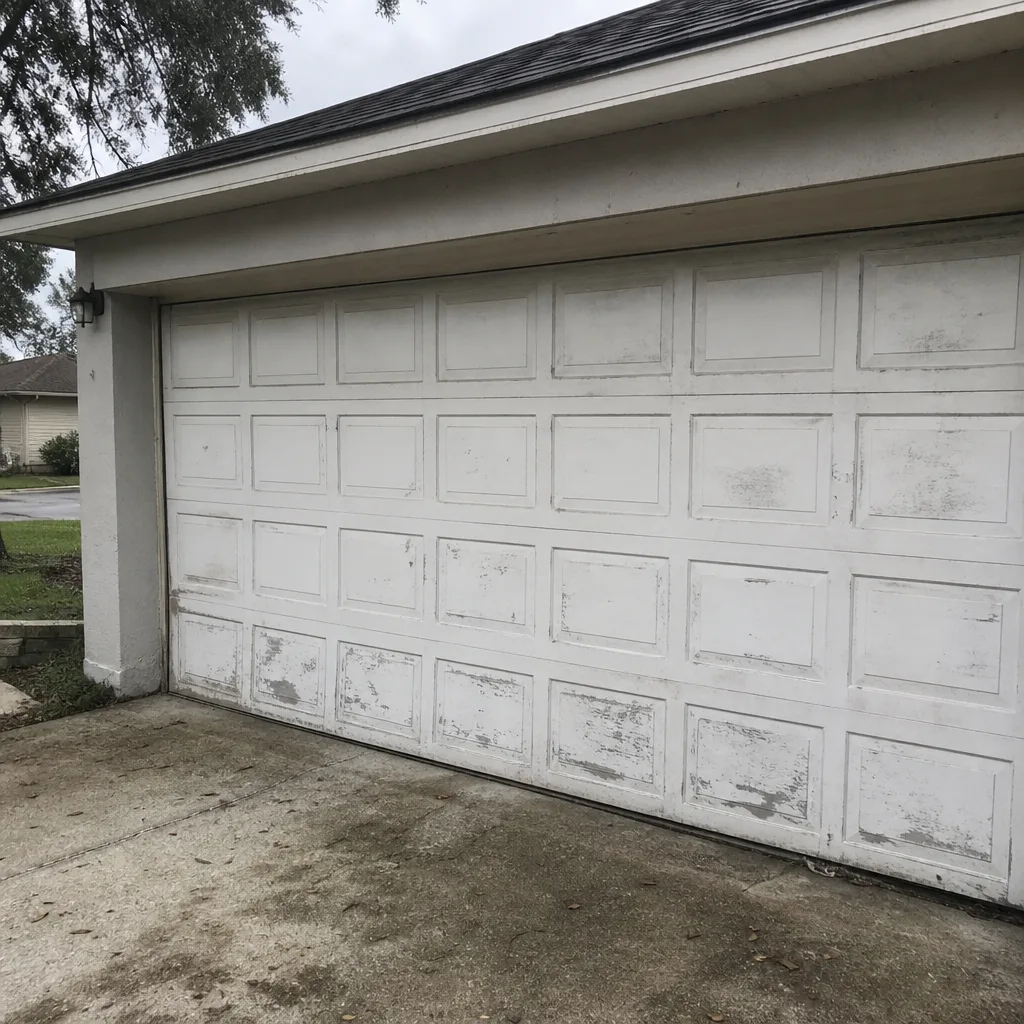 Before
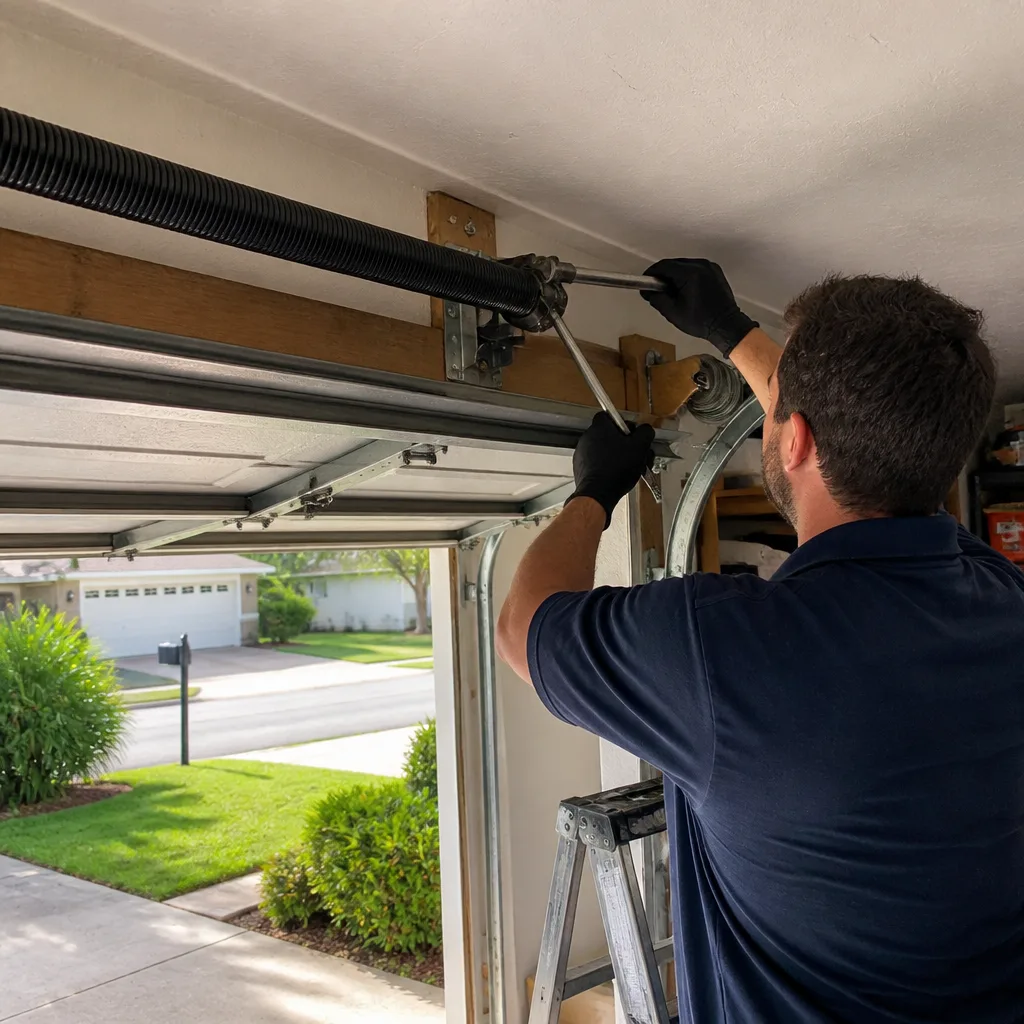 After
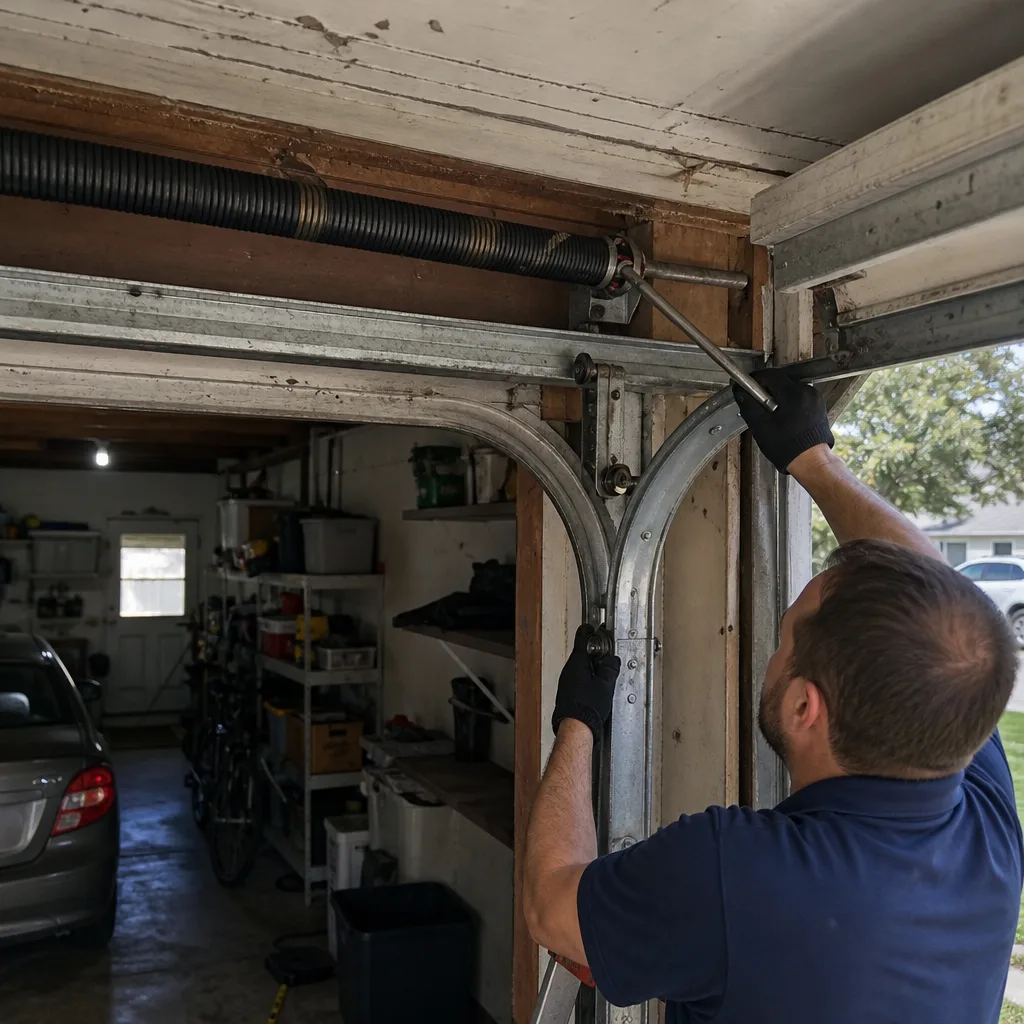 Before
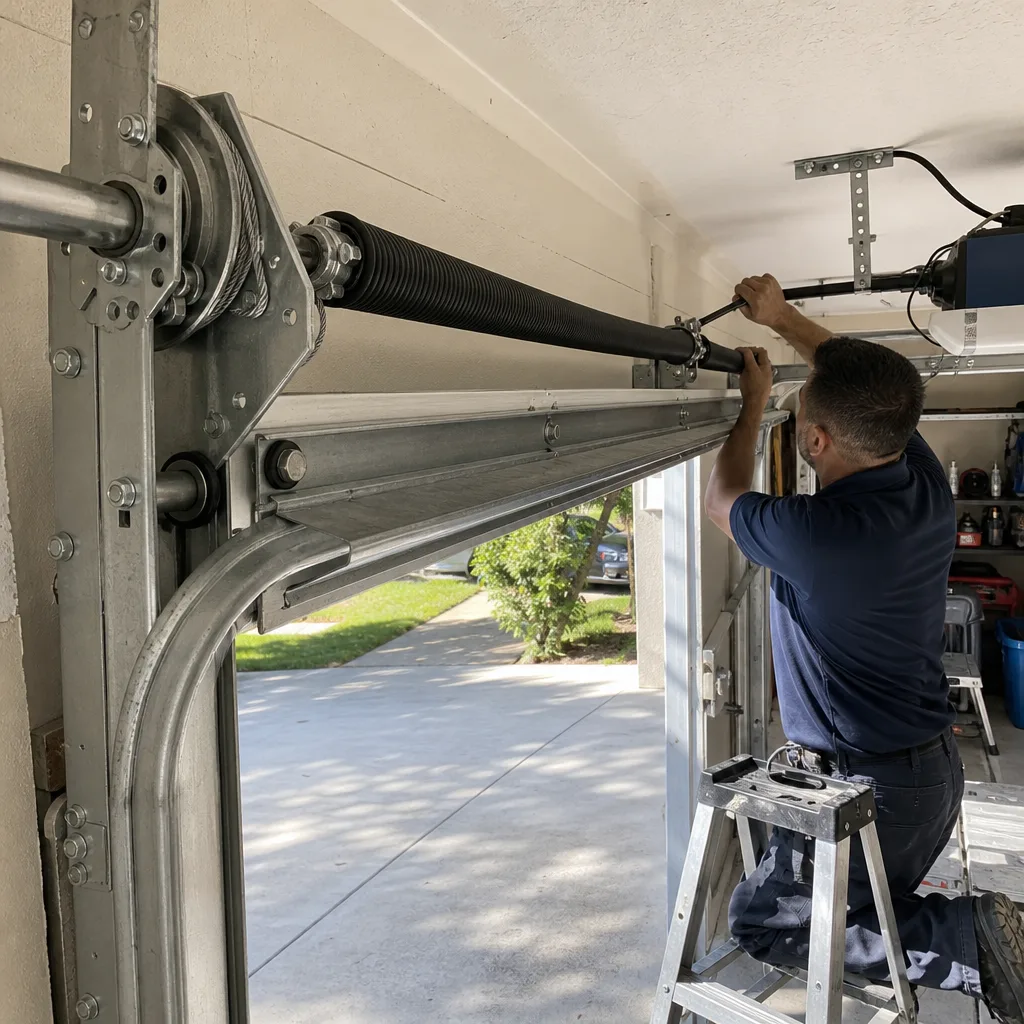 After
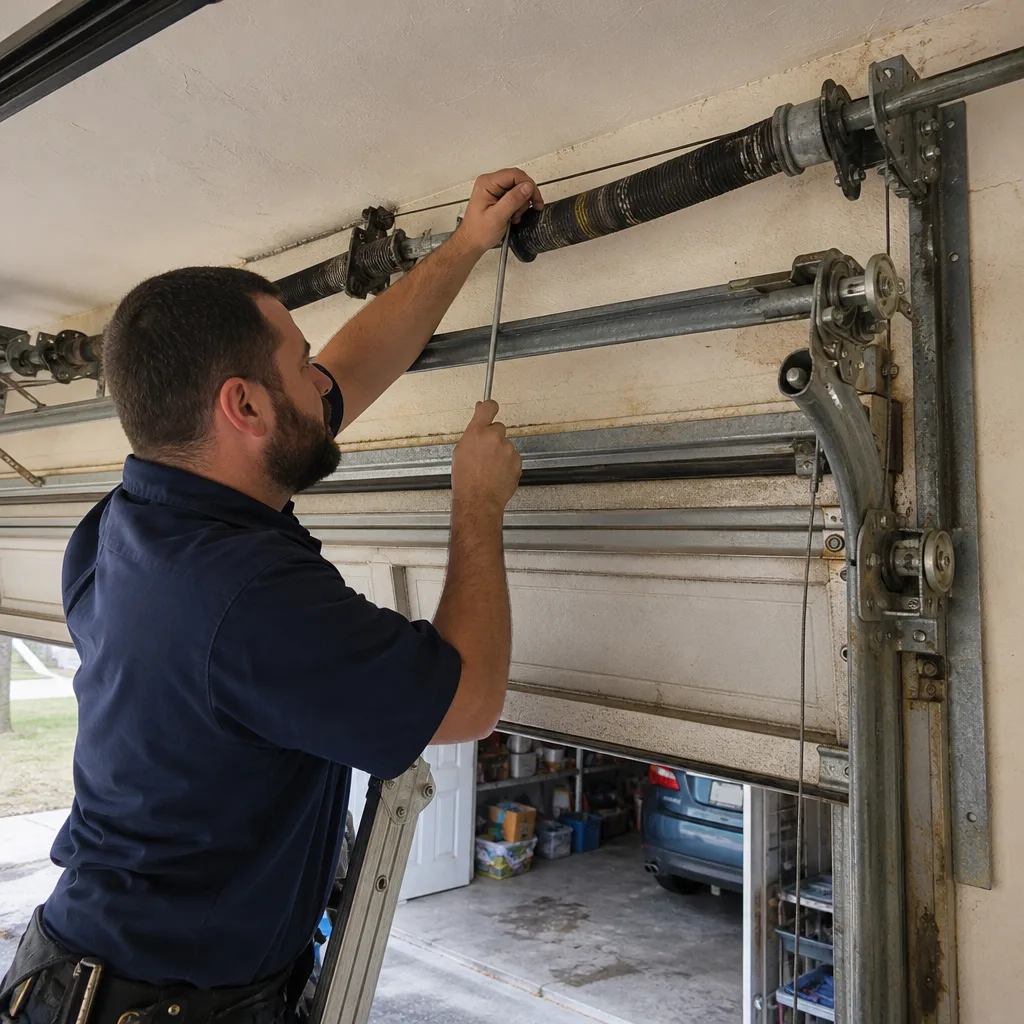 Before
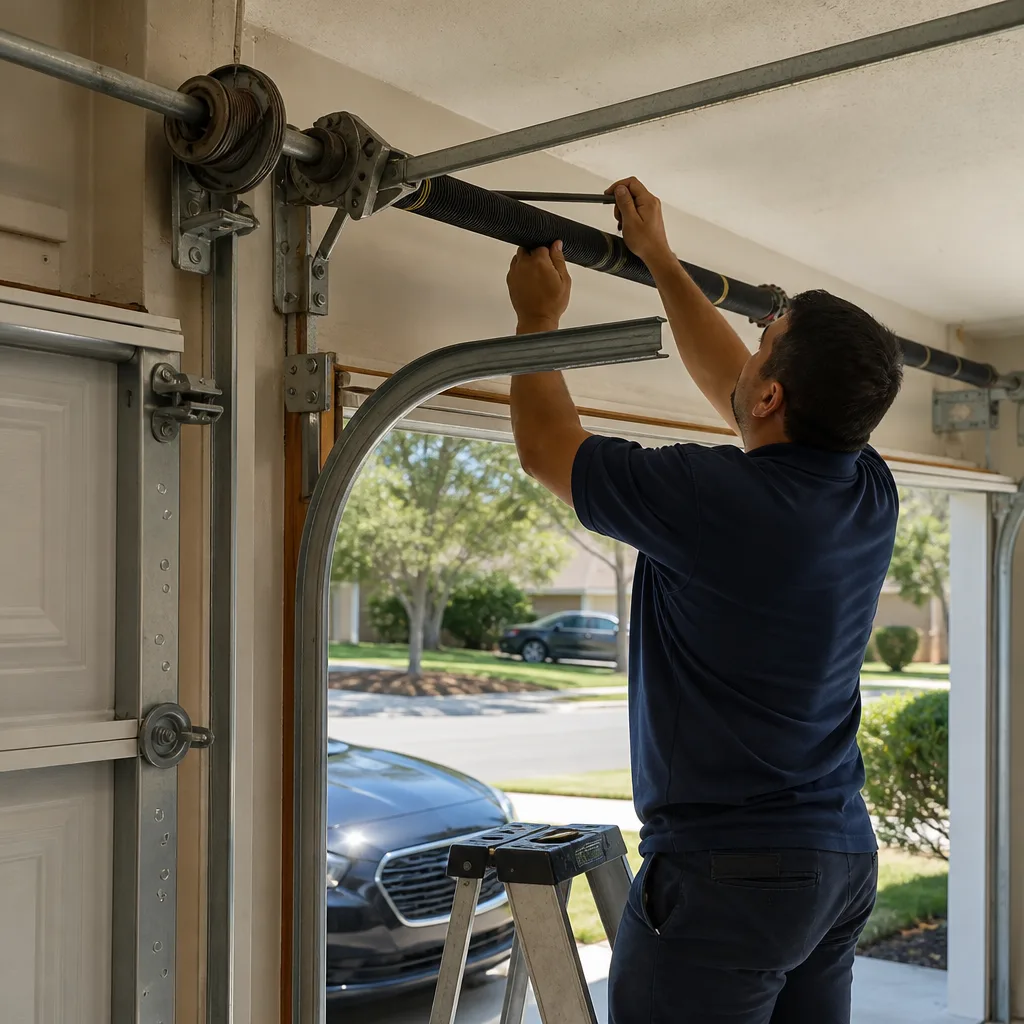 After