

Last updated October 31, 2026
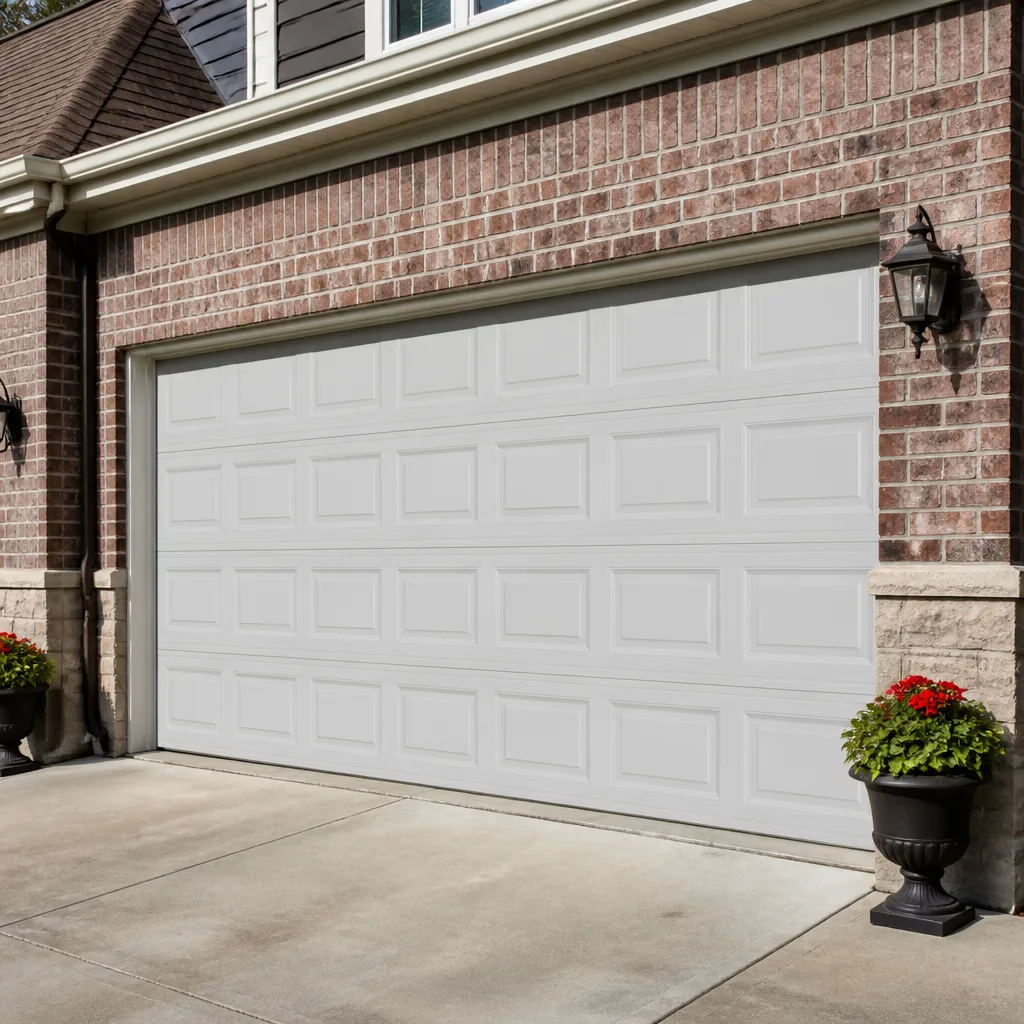 Raised-panel steel
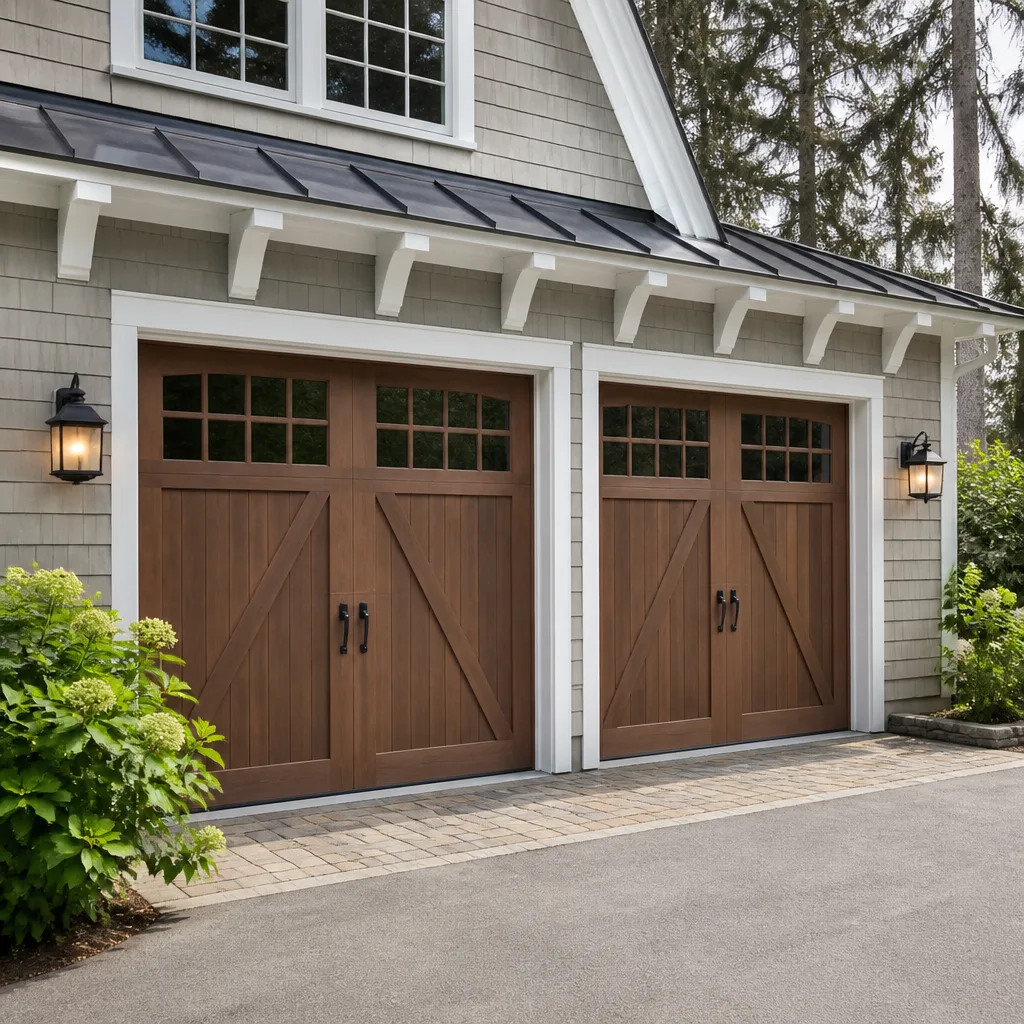 Carriage house
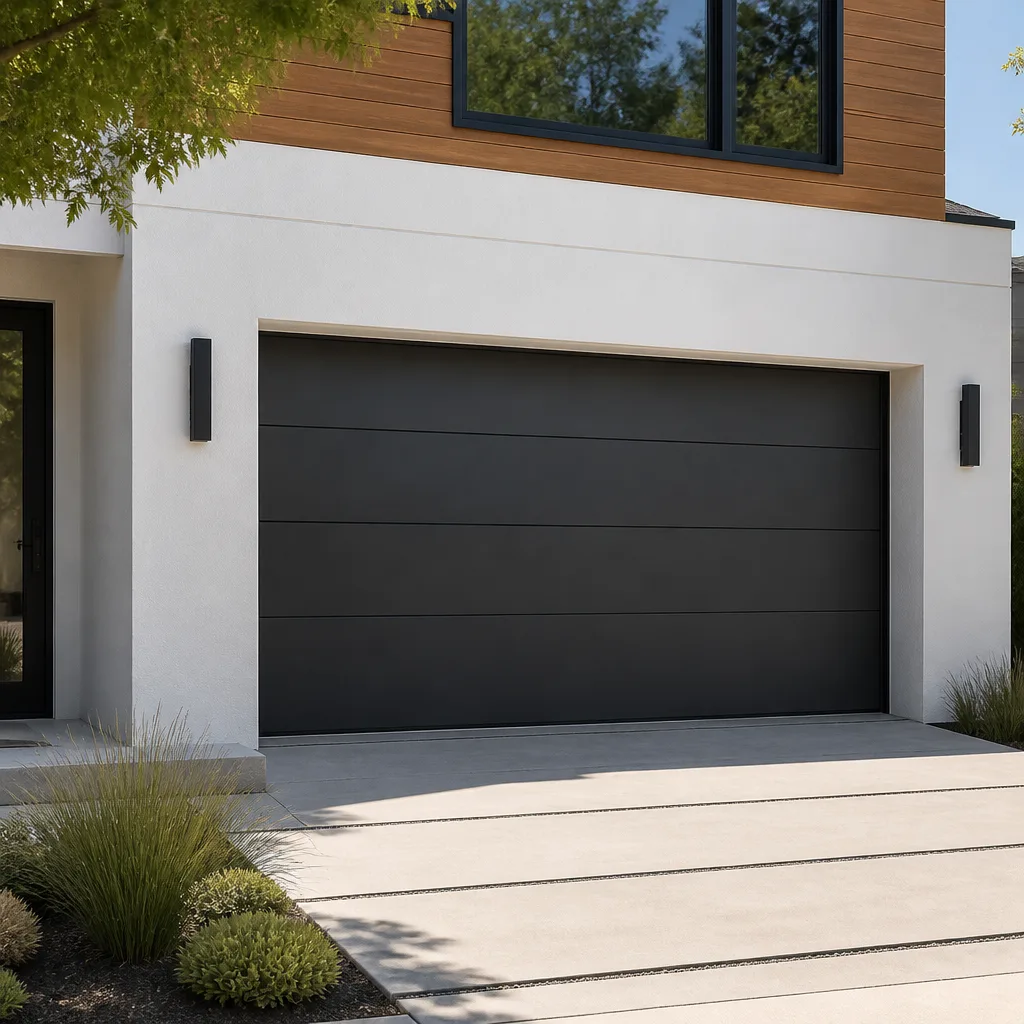 Modern flush
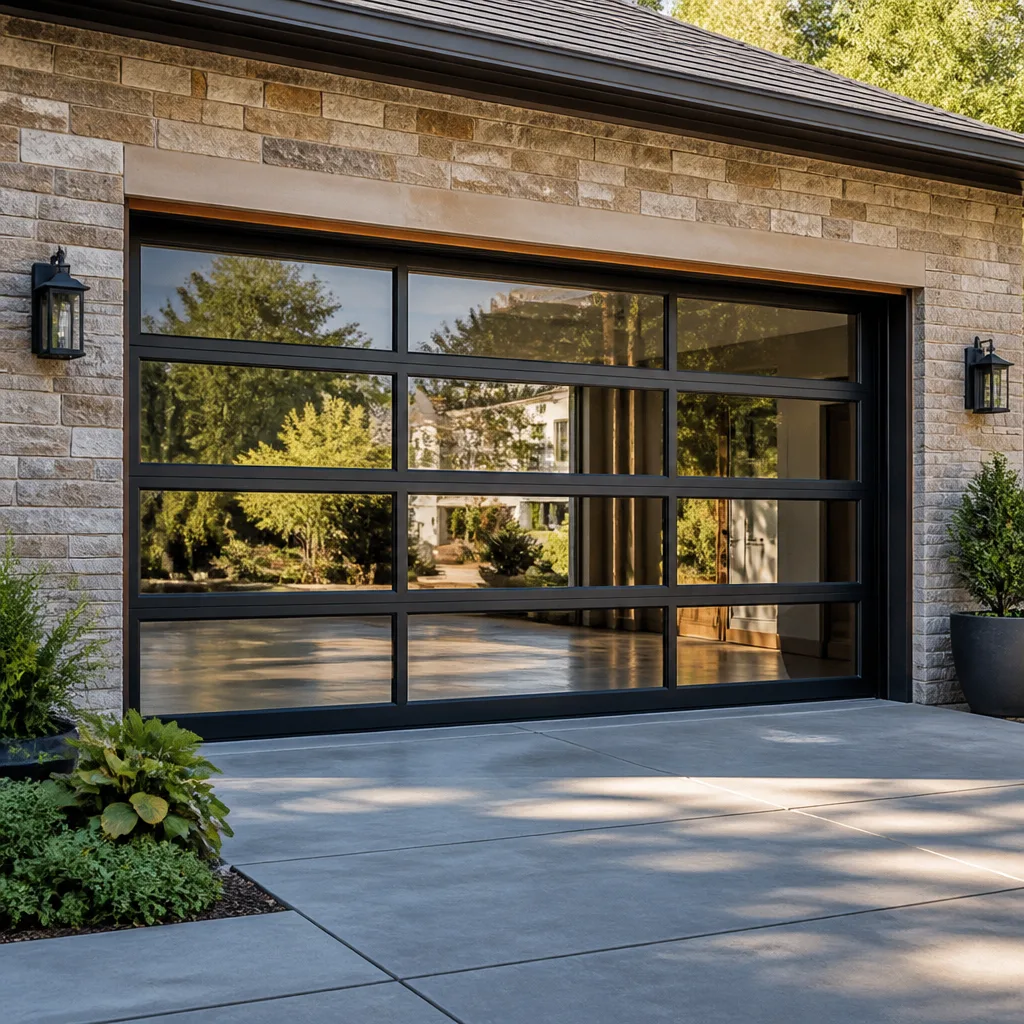 Full-view glass
 LiftMaster openers
 Chamberlain openers
Full 25-point door and opener safety check with every visit - springs, cables, rollers, tracks, and your LiftMaster or Chamberlain opener included
You get a price before we start. It does not change when the truck arrives.
Get your free estimateGarage Door Permits, Codes & Inspections in FL: What You Need to Know
In 2023, a Tampa homeowner in the Seminole Heights neighborhood listed their house, accepted an offer, and cleared the inspection – only to have closing delayed three weeks. The buyer’s lender flagged an unpermitted garage door replacement that had been installed four years earlier. The fix required a retroactive permit, a full re-inspection, and a $4,200 price tag. That mess started with a contractor who said, “We handle the permits,” and didn’t. If you’re replacing or installing a garage door in Florida, the permitting rules aren’t a formality. They’re a financial and legal tripwire. This guide walks through exactly when a permit is required in Tampa, what the Florida Building Code actually demands, how inspections work in Hillsborough County, and what happens when unpermitted work gets discovered. For additional help, see our Garage Door Repair Troubleshooting: Common Problems and How to Fix Them. By the end, you’ll know more than most contractors will tell you.
Quick Answer
In Florida, most garage door replacements and all new garage door installations require a building permit, though some true like-for-like replacements in Hillsborough County qualify for an exemption. Florida Building Code Section 1609 sets wind-load requirements that vary by region, and in Tampa, a garage door typically needs a wind-load rating that matches the home’s design pressure. Inspections are mandatory for permitted work, and skipping the permit creates real risks to your homeowner’s insurance and future home sale.
Styles & brands we work with
Table of Contents
- When a Garage Door Permit Is Required in Florida
- Hillsborough County: What Qualifies for a Like-for-Like Exemption
- Florida Building Code 1609: Wind-Load Requirements Explained
- The Inspection Sequence in Hillsborough County: What Inspectors Check
- How an Unpermitted Garage Door Affects Your Homeowner’s Insurance
- Bought a Home with an Unpermitted Garage Door? The Retroactive Permit Process in Tampa
- What Garage Door Permits Cost in Tampa and Who Pays
- Common Mistakes to Avoid
- When to Call a Professional
- Frequently Asked Questions
When a Garage Door Permit Is Required in Florida
A permit is required any time a garage door is being installed on a home that has never had one, any time the structural opening is being enlarged or modified, and in most cases when an existing door is replaced with a unit that has a different wind-load rating than the original. That last point catches a lot of Tampa homeowners by surprise. You might think swapping an old steel door for a new steel door of the same size is a simple swap. But if the old door was rated for 130 mph wind pressure and the new one is rated for 150 mph, the county treats that as a modification that requires a permit and an inspection.
Here’s the straightforward list of when a permit is required for a garage door in Florida:
- New installation: adding a garage door where none existed before, including in new construction or a garage conversion.
- Opening modification: expanding, cutting, or reframing the garage door opening.
- Replacement with a different rating: installing a door with a wind-load rating that differs from the original door’s rating.
- Structural hardware changes: replacing the track system, spring assembly, or header when the new setup applies a different load to the structure.
- Storm-room or impact-rated upgrades: installing impact-resistant doors that change the home’s structural performance profile.
In our experience working on garage doors across Tampa, the most common permit trigger homeowners miss is the wind-load rating change. A technician who knows the Florida Building Code will check the existing door’s rating before recommending a replacement. That’s the difference between a smooth install and a surprise from the county.
Hillsborough County: What Qualifies for a Like-for-Like Exemption
Hillsborough County does allow some garage door replacements to proceed without a permit, but the exemption is narrower than most contractors lead you to believe. A true like-for-like replacement means the new door is the same size, same material type, same weight class, and – critically – the same or higher wind-load rating as the original. If all four conditions are met, the work may be classified as maintenance or repair rather than a structural change.
Here’s a practical breakdown of what “like-for-like” means in Hillsborough County:
- Same size: width and height match the existing opening exactly.
- Same material: steel for steel, wood for wood. Swapping a wood door for a steel door changes the weight load and the anchoring requirements.
- Same or higher wind-load rating: the new door must meet or exceed the original’s design pressure rating.
- No structural changes: the header, jambs, and foundation anchoring remain untouched.
Even when a replacement qualifies for an exemption, we recommend documenting it. Take photos of the old door’s rating label and the new door’s rating label. Keep the manufacturer’s spec sheet. If you sell the home later, that documentation is what keeps a buyer’s inspector from flagging the work as unpermitted.
A note from the field: we’ve seen Hillsborough County inspectors interpret “like-for-like” conservatively. What one contractor calls a simple swap, a code enforcement officer might call a modification. When in doubt, call the Hillsborough County Development Services office and ask in writing. A 10-minute phone call now beats a $4,000 retroactive permit later.
Florida Building Code 1609: Wind-Load Requirements Explained
Florida Building Code Section 1609 governs wind loads, and it’s the code section that matters most for garage doors in Tampa. The state is divided into wind speed zones, and Hillsborough County falls into a zone that requires garage doors to resist significant uplift and lateral pressure during hurricanes. A garage door is the largest opening on most homes, and when it fails during a storm, the pressure change can blow out windows and lift the roof.
For practical purposes, what you need to know is this: a garage door installed in Tampa should carry a design pressure rating that matches what the original door was engineered for, typically expressed in pounds per square foot (psf) or miles per hour (mph). Many homes in Hillsborough County require doors rated for 150 mph or higher wind speeds, depending on the structure’s design and location.
Here’s what to ask your contractor or supplier when replacing a garage door in Tampa:
- What is the door’s design pressure rating? Ask for the exact psf number, not just the wind speed label.
- Does this rating meet Florida Building Code 1609 for my home’s location? The answer should reference your specific wind zone.
- Do you have the product approval number? Florida maintains a database of approved products, and your door should be listed.
- Will the installation include code-required bracing? Garage doors in high-velocity zones often need additional reinforcement posts or struts.
Brands like Clopay and Amarr manufacture wind-rated doors that meet Florida code, and LiftMaster and Genie produce openers that work with braced doors. The brand matters less than the rating; a 150 mph-rated door from any major manufacturer will serve you well in Tampa’s climate. What a homeowner should never accept is a door rated below the home’s design requirement simply because it’s cheaper.
The Inspection Sequence in Hillsborough County: What Inspectors Check
When a permit is pulled for garage door work in Hillsborough County, the inspection sequence follows a predictable order. Understanding it helps you avoid failures that delay the project. Here’s the step-by-step process as we’ve seen it play out in Tampa:
- Permit issuance: The contractor or homeowner submits the application with product approvals for the door. The county verifies that the door’s wind-load rating matches the home’s requirements.
- Installation: The door, track, springs, and opener are installed according to the manufacturer’s instructions and the Florida Building Code.
- Framing and anchoring inspection: The first inspection checks the header, jambs, and anchoring. Inspectors look for proper fastener spacing, correct bracket sizes, and secure attachment to the structure.
- Wind-load verification: The inspector confirms the installed door matches the approved product. They check the rating label and verify any required bracing is in place.
- Final inspection: The last inspection covers the full assembly: balance of the door, safety reverse on the opener, photo-eye sensors, and overall operation.
What triggers a fail? The most common failure we hear about in Hillsborough County is a missing or mismatched product approval label. Inspectors want to see the label on the installed door, and if it’s missing or doesn’t match what was submitted, the inspection stops right there. A second common fail is improper anchoring – fasteners that are too short or too few for the wind-load requirement. The fix is rarely complicated, but a fail means a delay and a re-inspection fee.
If you’re replacing a garage door with a unit from LiftMaster, Chamberlain, or Genie for the opener, the opener itself doesn’t usually require its own permit, but it does get checked during the final inspection. The safety reverse and photo-eye sensors are non-negotiable.
How an Unpermitted Garage Door Affects Your Homeowner’s Insurance
The insurance risk of an unpermitted garage door is underreported and often painful. Florida insurers have tightened underwriting standards after repeated hurricane seasons, and the garage door is one of the first components they scrutinize. If a claim is filed for storm damage and an adjuster discovers the garage door was replaced without a permit, the insurer may deny the claim on the grounds that the work was not code-compliant at the time of installation.
This is not hypothetical. In Tampa, we’ve talked with homeowners who filed claims after storms lost garage doors and then hit the denial wall because the door installed five years earlier had no permit record. The insurer’s argument is straightforward: if the door wasn’t permitted and inspected, there’s no proof it met wind-load code, and the insurer doesn’t owe coverage for a non-compliant component.
The financial exposure goes beyond claim denial. Unpermitted work can trigger a notice of non-compliance from the insurer, giving the homeowner 30 to 60 days to correct the issue or face non-renewal. Correcting it means pulling a retroactive permit, getting an inspection, and possibly replacing the door entirely if it doesn’t meet current code. That’s the worst-case scenario: paying for the door twice.
If you have an existing garage door you suspect was installed without a permit, the smart move is to resolve the permit issue before a storm gives your insurer a reason to look closely. More on that process below.
Bought a Home with an Unpermitted Garage Door? The Retroactive Permit Process in Tampa
Purchasing a home in Tampa with an unpermitted garage door is more common than most buyers expect. Pre-2000 homes in neighborhoods like Ybor City, Tampa Heights, and West Tampa often carry decades of unpermitted modifications. The good news is that Hillsborough County does offer a path to legalize existing work, and it’s a process worth completing before you need to sell or file an insurance claim.
Here’s the step-by-step process for a retroactive garage door permit in Hillsborough County:
- Document the existing door: Photograph the door, track system, and any rating labels you can find. Note the manufacturer, model, and dimensions.
- Contact Hillsborough County Development Services: Ask specifically about the retroactive permit path for a garage door. You’ll likely need to submit an application describing the existing work.
- Hire a licensed contractor or engineer: If the door has no rating label or the label is illegible, a licensed professional must evaluate whether the installed door meets current wind-load requirements.
- Request the inspection: The county will send an inspector to verify the door’s condition, anchoring, and code compliance relative to when it was installed.
- Make corrections if required: If the door fails inspection, you’ll need to bring it up to code. This might mean adding bracing, replacing anchoring, or in some cases replacing the door itself.
- Receive the certificate: Once the work passes, you receive documentation that the garage door is permitted and code-compliant for resale and insurance purposes.
The cost of a retroactive permit in Tampa typically runs between $200 and $600 for the filing and inspection, depending on the scope and whether corrections are needed. That’s a fraction of what an unpermitted door can cost you at closing or claim time.
What Garage Door Permits Cost in Tampa and Who Pays
Permit fees in Hillsborough County for garage door work vary based on the project’s valuation. A straightforward replacement with no structural changes usually runs $100 to $250 for the permit itself. If the project involves opening modifications or structural work, the permit fee can push toward $400. Add re-inspection fees of $50 to $100 per visit if an inspection fails, and the total for a typical permitted garage door replacement in Tampa lands between $250 and $500 in county fees alone.
Who pays for the permit? The answer depends on the contract. Reputable contractors include the permit fee in their quote as a line item. Some contractors charge separately and ask the homeowner to obtain the permit themselves. Either arrangement can work, but the permit should always be in the homeowner’s name or clearly documented as pulled on the homeowner’s behalf. If a contractor says they’ll “handle it” and never pulls the permit, you’re the one holding the liability, not them.
When you’re comparing quotes for a garage door replacement in Tampa, ask every contractor the same question: “Does your price include the permit and both inspections?” The answer tells you a lot about how they operate. A contractor who openly discusses permitting is one who follows the code. A contractor who waves it off with “don’t worry about that” is one who just told you how they handle the liability.
Common Mistakes to Avoid
- Trusting a contractor’s verbal “we handle it” without paperwork: The Tampa homeowner in the Seminole Heights example learned this the expensive way. Get the permit number in writing before work begins.
- Assuming all replacements are exempt: The like-for-like exemption in Hillsborough County is narrow. A size change, material change, or rating change triggers the permit requirement.
- Choosing a door by price instead of wind-load rating: A cheap door rated below the home’s design pressure won’t pass inspection and won’t protect the home in a storm.
- Ignoring product approval labels: Florida code requires the door to carry a product approval label. If the label is missing, the inspection fails regardless of how well the door was installed.
- Delaying a retroactive permit: The longer an unpermitted door sits, the larger the problem becomes when you sell or file a claim. Legalizing the work now costs less than the alternative later.
- Skipping documentation on exempt replacements: Even when a permit isn’t required, keeping records of the old and new door ratings protects you at resale.
- Forgetting the insurance angle: Homeowners focus on resale but forget that a denied storm claim due to unpermitted work can be the bigger financial hit.
When to Call a Professional
Garage door permitting falls into the category of work where experience saves you more than it costs. Call a professional when you’re replacing a garage door on any home built before the current Florida Building Code took effect, when you’re unsure of the existing door’s wind-load rating, or when a home inspection has flagged an unpermitted door during a sale. Any work involving the door’s high-tension springs or cables should always go through a trained technician – those components are under enough force to cause serious injury, and no homeowner should attempt spring work without proper training and tools.
If you’re in Tampa and want a straight answer about whether your garage door project needs a permit, call us or browse our more guides & resources. We’ll walk through your situation, check the existing door’s rating, and give you a clear picture of the path forward.
Vintage Garage Door Service offers free estimates in Tampa – call (866) 253-5794. We work across all major brands including LiftMaster, Chamberlain, Genie, and Clopay, so the diagnosis we give you is based on what your door actually needs, not what’s easiest to sell. For a broader look at our services, visit the Vintage Garage Door Service home page.
Frequently Asked Questions
Yes, in most cases. A permit is required if the new door differs from the old one in size, material, weight class, or wind-load rating. Even a seemingly identical replacement should be confirmed with Hillsborough County before work begins, and many contractors pull the permit as standard practice on every replacement. Call (866) 253-5794 and we’ll help you determine whether your specific project qualifies for an exemption.
A typical garage door permit in Hillsborough County costs between $100 and $250 for a standard replacement, with total permit and inspection costs typically landing between $250 and $500. If the project involves structural changes or fails an inspection, the cost goes up. Get the permit fee as a line item in any written quote you receive.
In Tampa, most homes require a garage door rated for 150 mph wind speeds or the equivalent design pressure in psf. The exact number depends on your home’s design and location within Hillsborough County. Ask your contractor for the door’s design pressure rating and confirm it matches the original door’s rating or exceeds it.
Yes. A buyer’s lender can flag unpermitted work during the closing process, requiring a retroactive permit and re-inspection before the sale proceeds. This can delay closing by weeks and cost thousands in fees and corrections. Resolving the permit before you list is far cheaper than dealing with it during escrow.
Yes. Hillsborough County has a retroactive permit process that involves documenting the existing door, submitting an application, hiring a licensed professional to evaluate compliance, and scheduling an inspection. If the door passes, you receive documentation that clears the work for resale and insurance purposes. Expect to pay $200 to $600 depending on whether corrections are needed.
No. The opener itself doesn’t typically require a separate permit, but it’s included in the final inspection when a door is installed. The inspector checks the safety reverse mechanism and photo-eye sensors on openers from brands like LiftMaster, Chamberlain, and Genie. If those safety features aren’t functioning, the inspection fails.
The Bottom Line
Garage door permits in Florida aren’t optional paperwork; they’re enforcement of the wind-load standards that keep homes standing in hurricanes. Skipping the permit saves a few hundred dollars up front and risks thousands at closing, at claim time, or both. The Hillsborough County process is navigable once you understand the like-for-like exemption, the wind-load rating requirement, and the inspection sequence. If you have any doubt about whether your project needs a permit, call (866) 253-5794 for a free estimate and a straight answer. For detailed looks at our service areas, see our pages on Garage Door Repair in Tampa, Garage Door Opener Repair in Tampa, and Garage Door Installation in Tampa.
Written by the team at Vintage Garage Door Service, serving Tampa since 2012.
See the difference
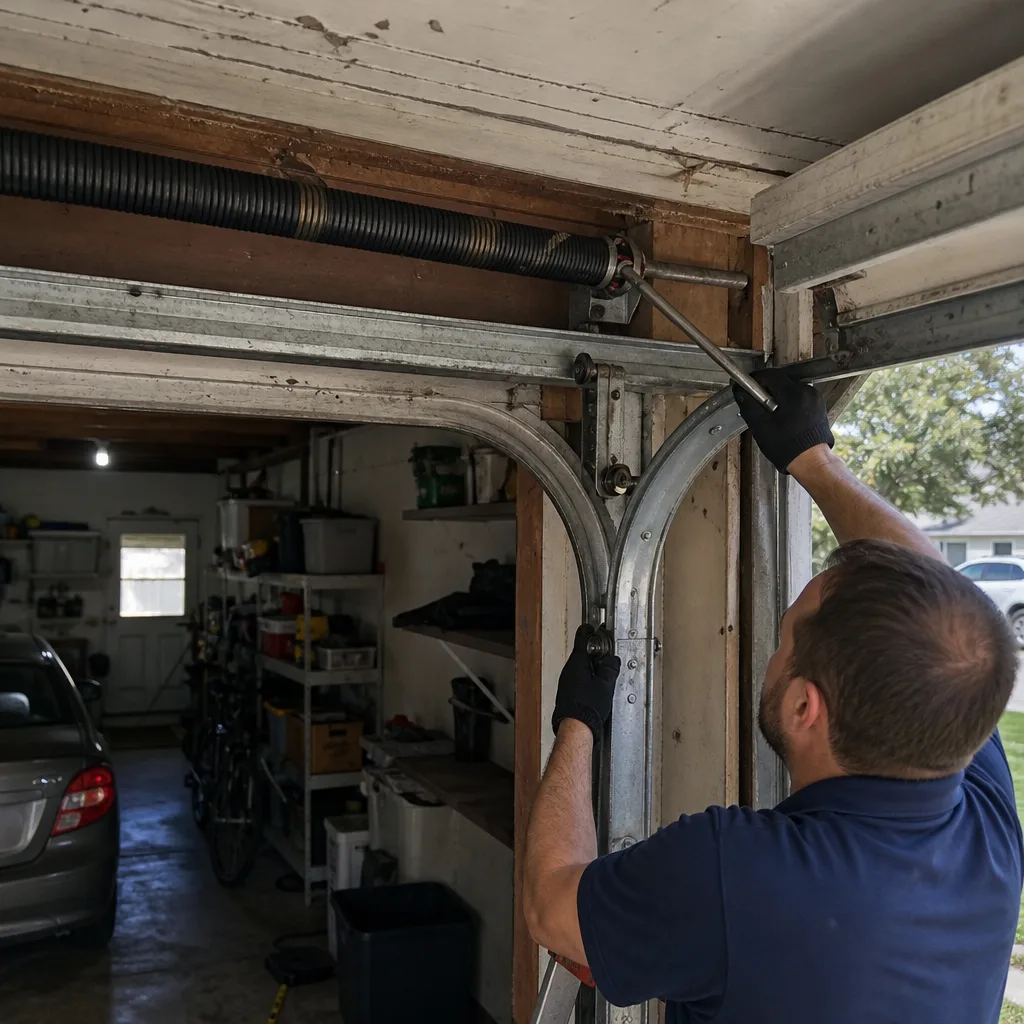
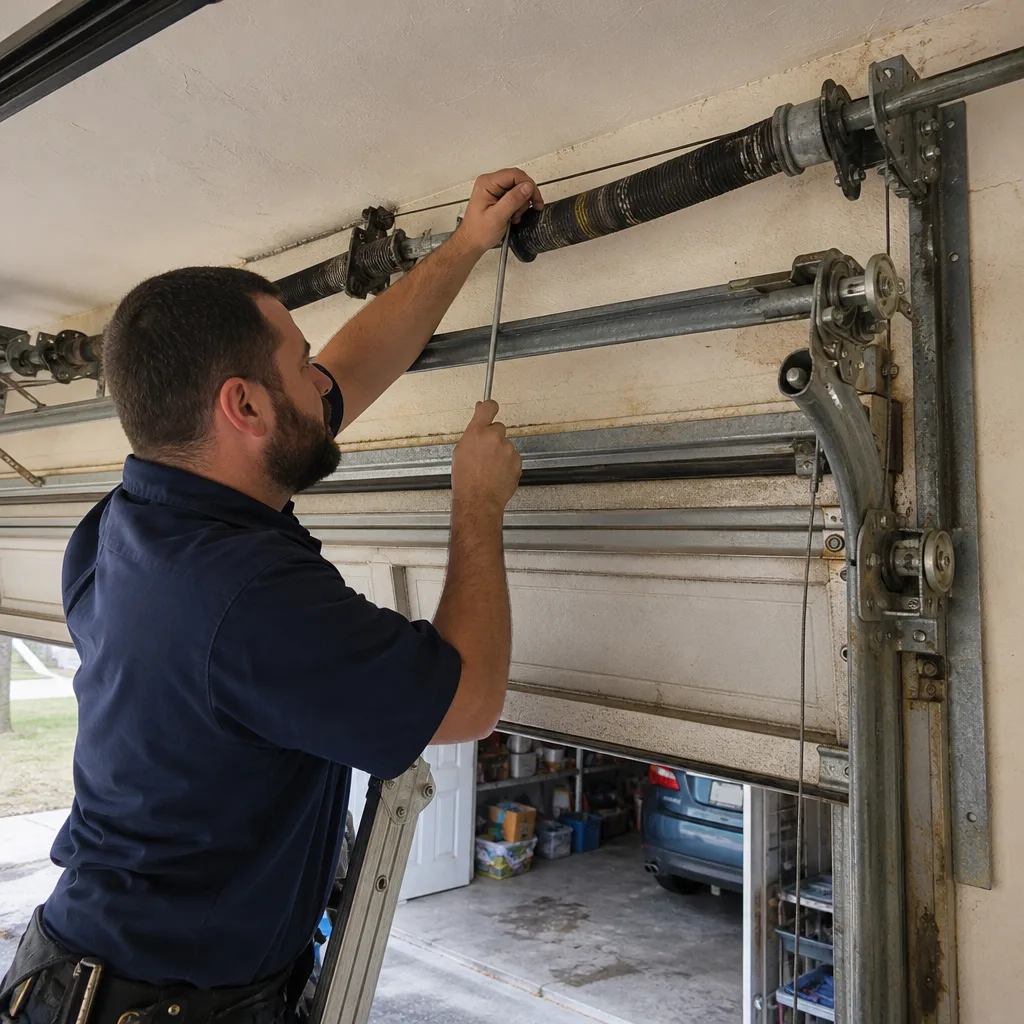
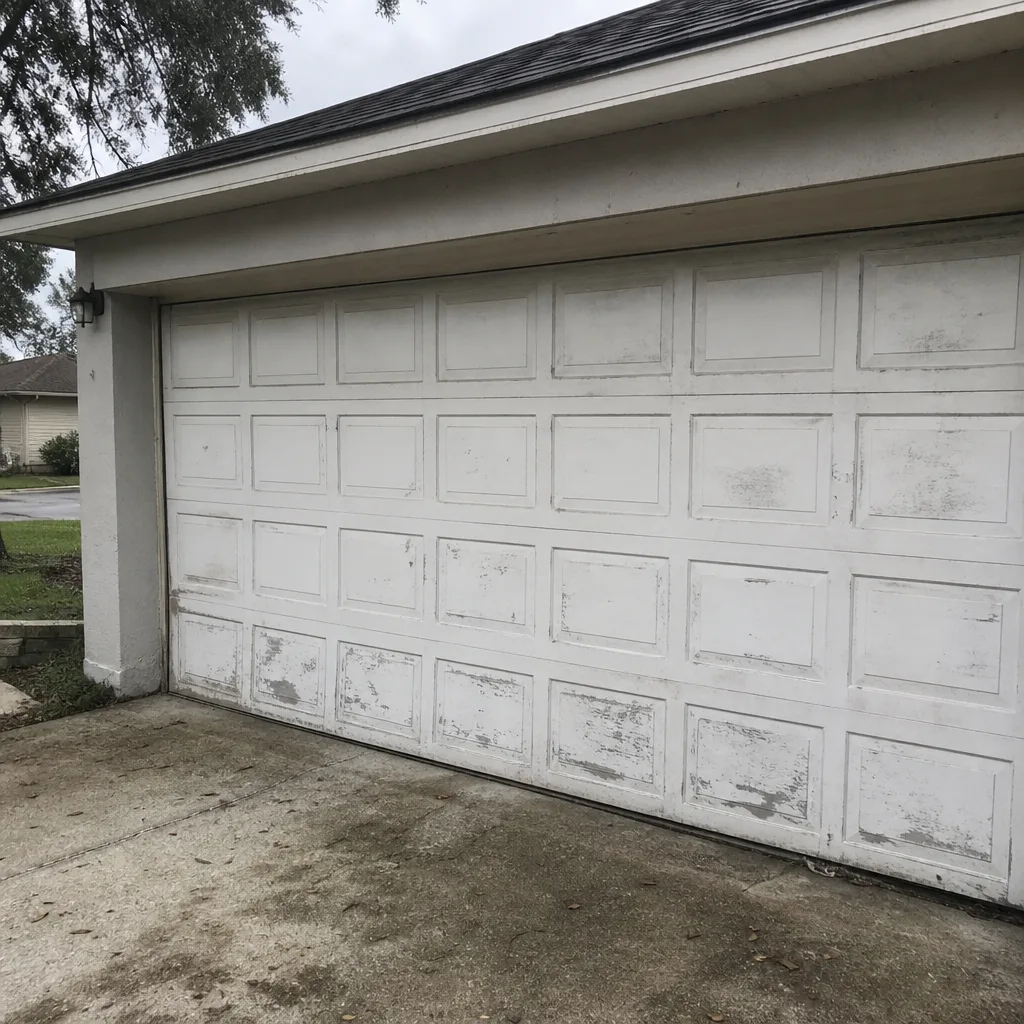 Before
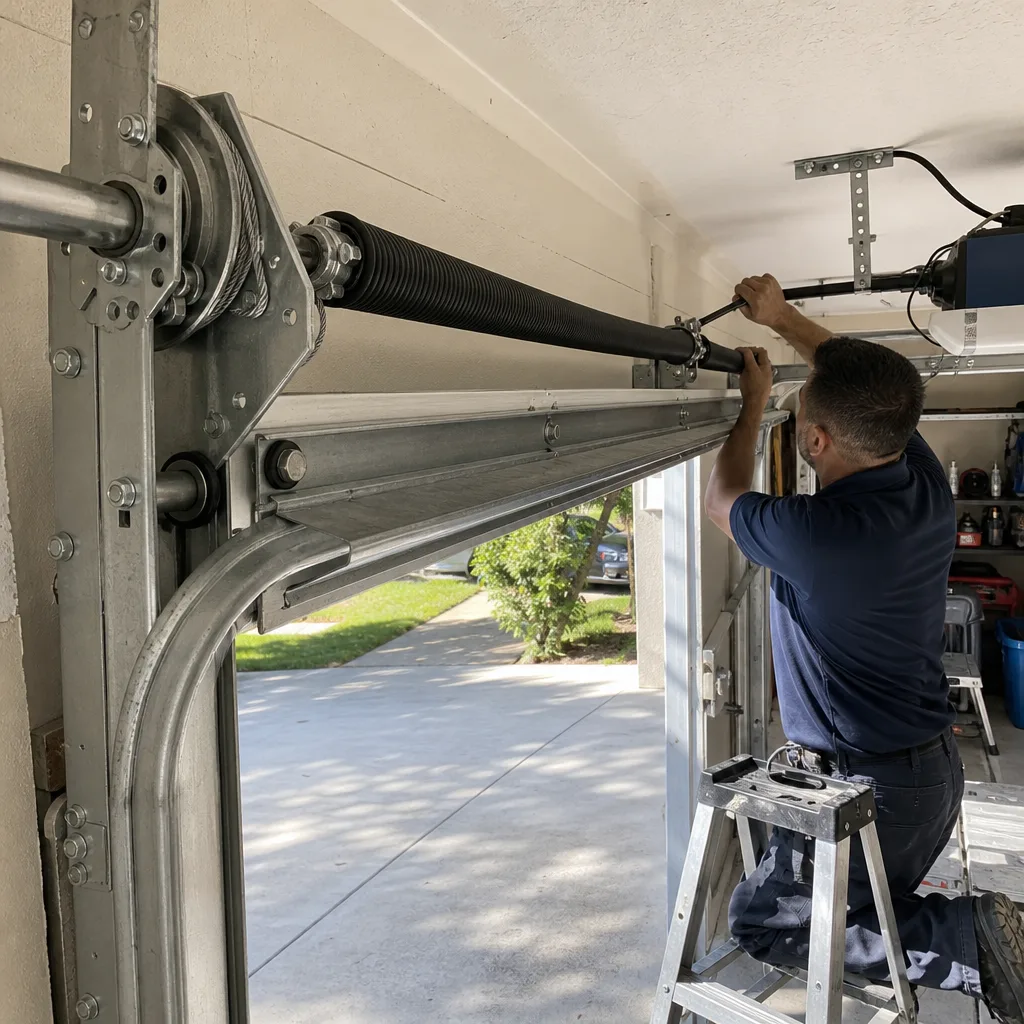
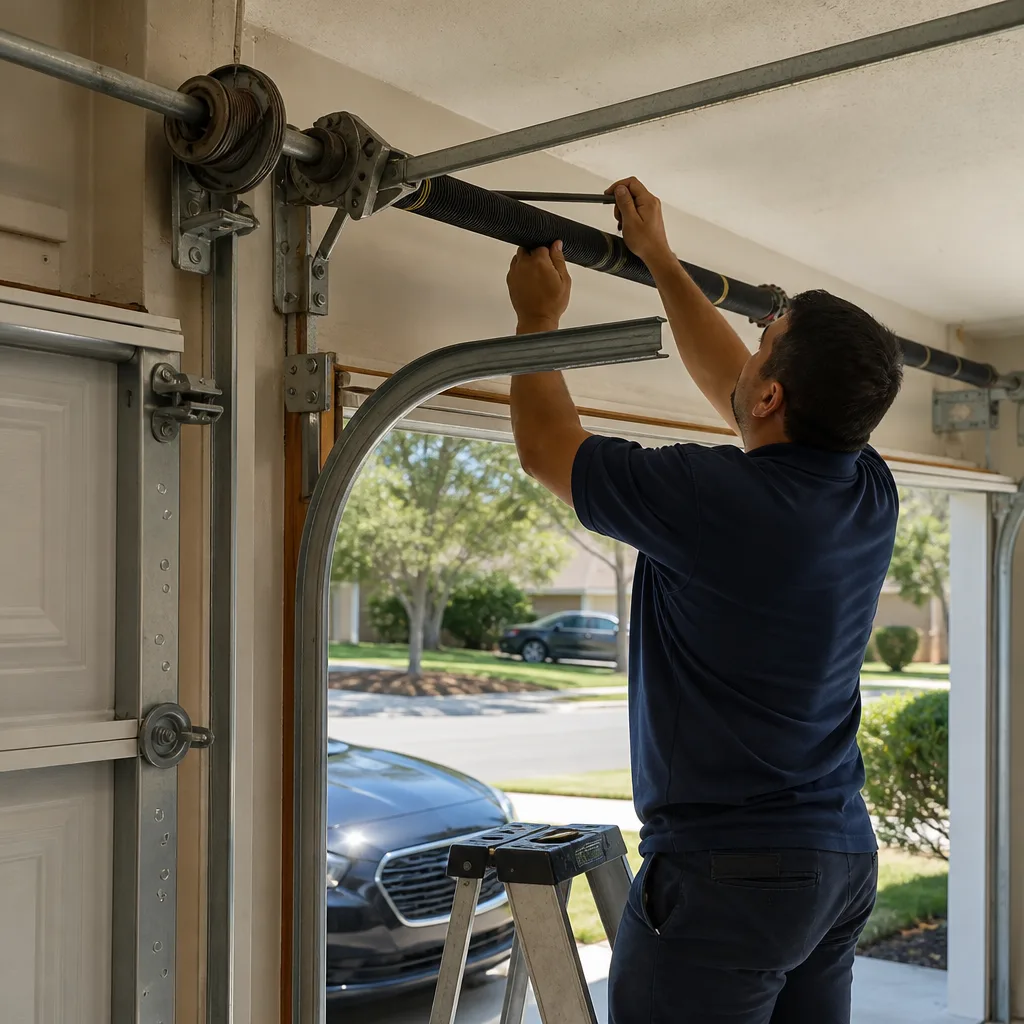
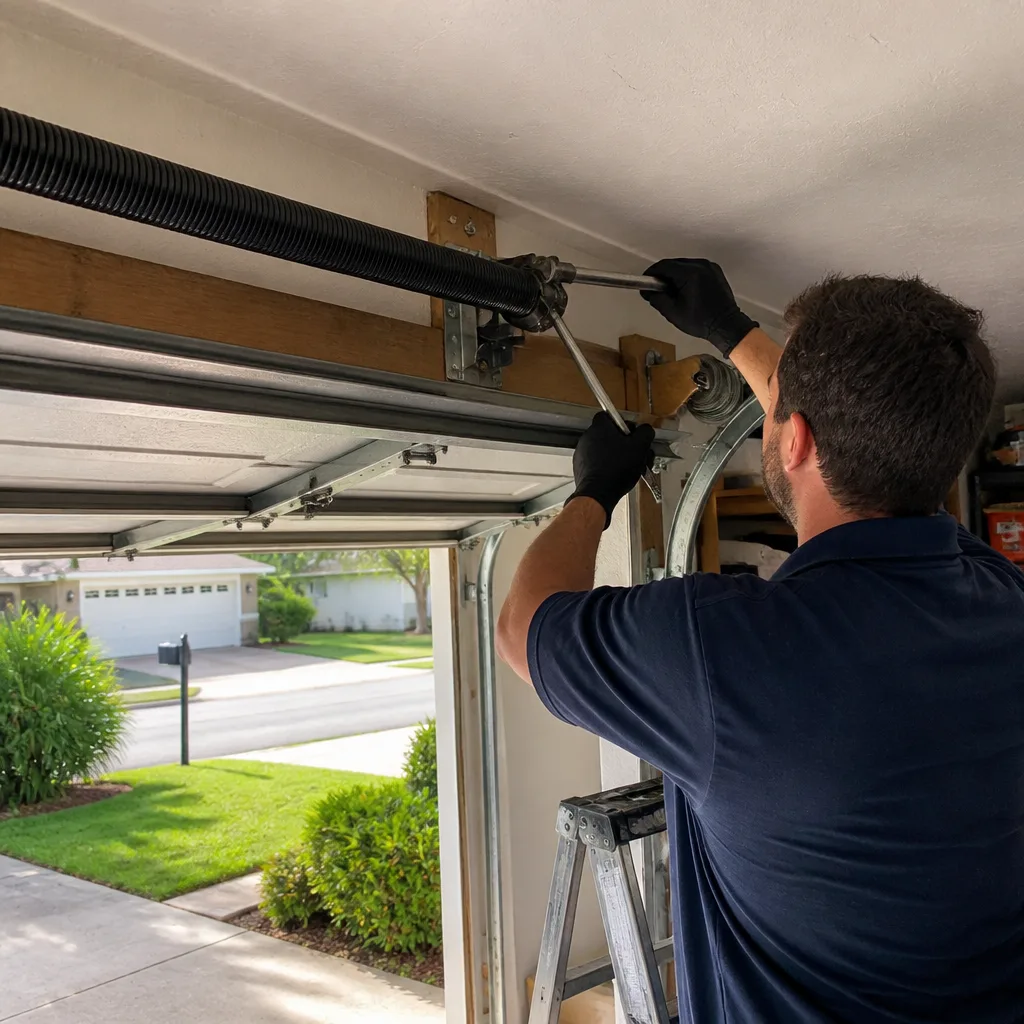 After
 Before
 After
 Before
 After