
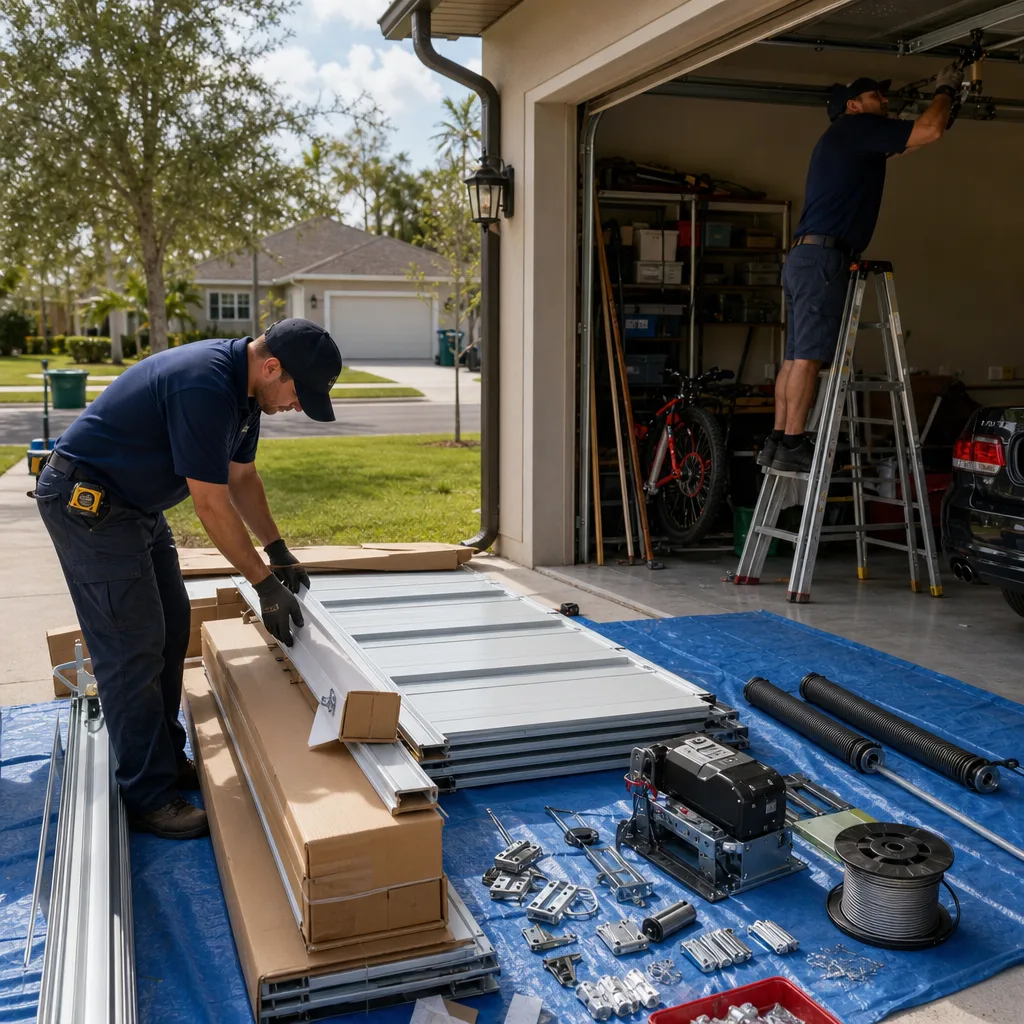
Last updated October 31, 2026
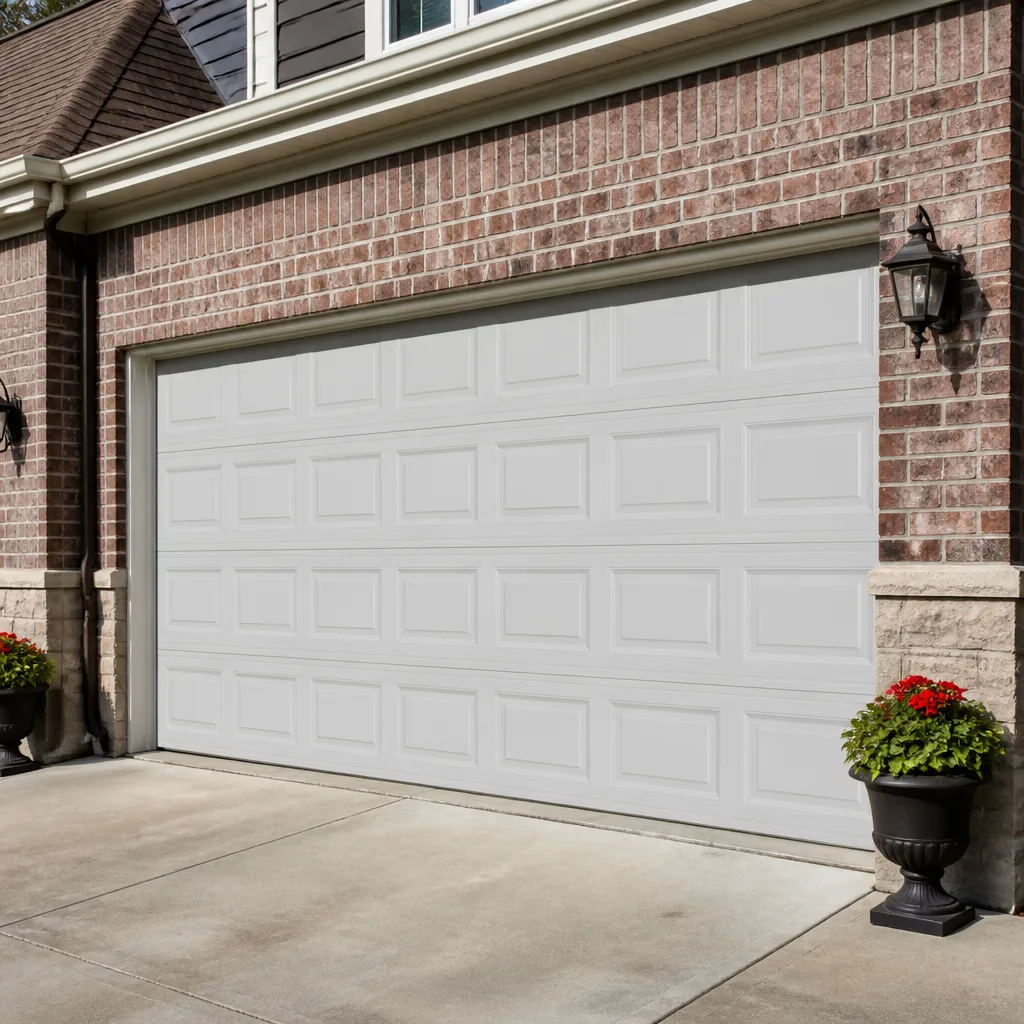 Raised-panel steel
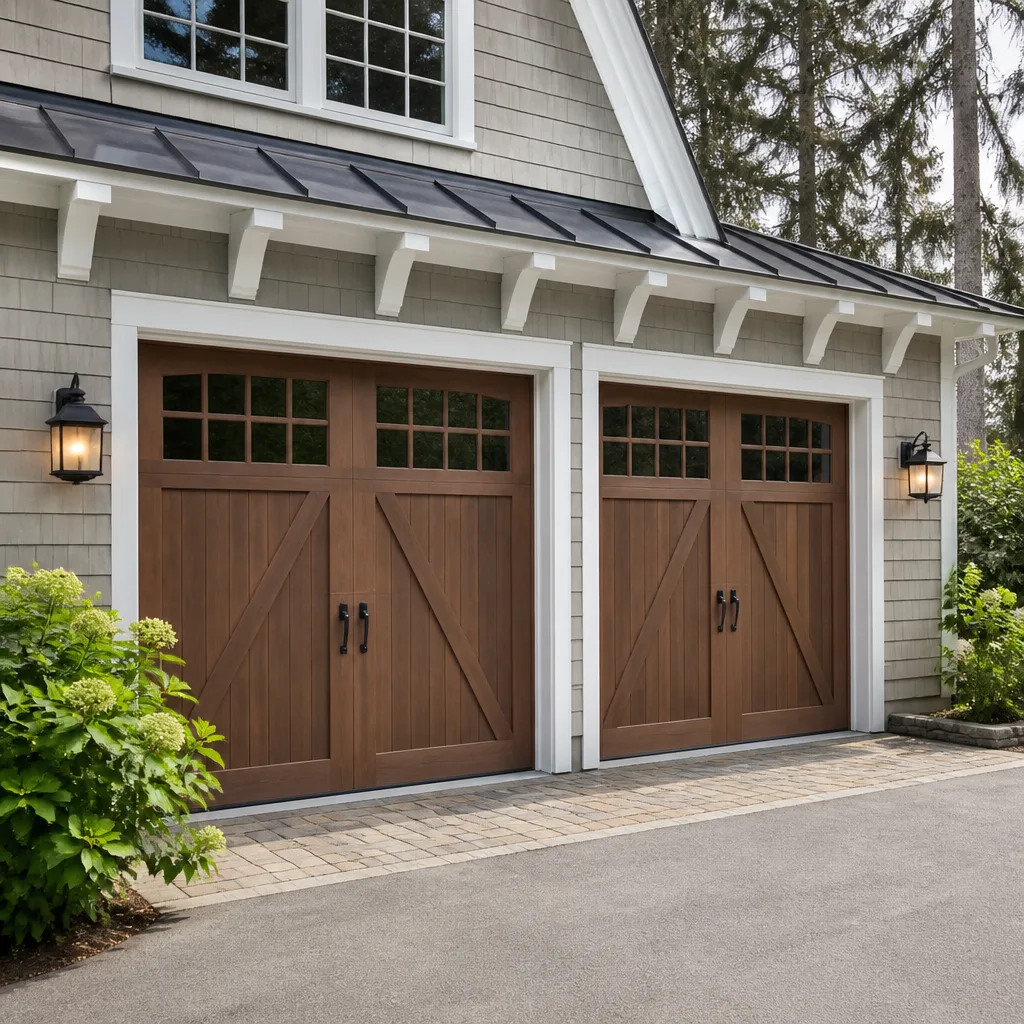 Carriage house
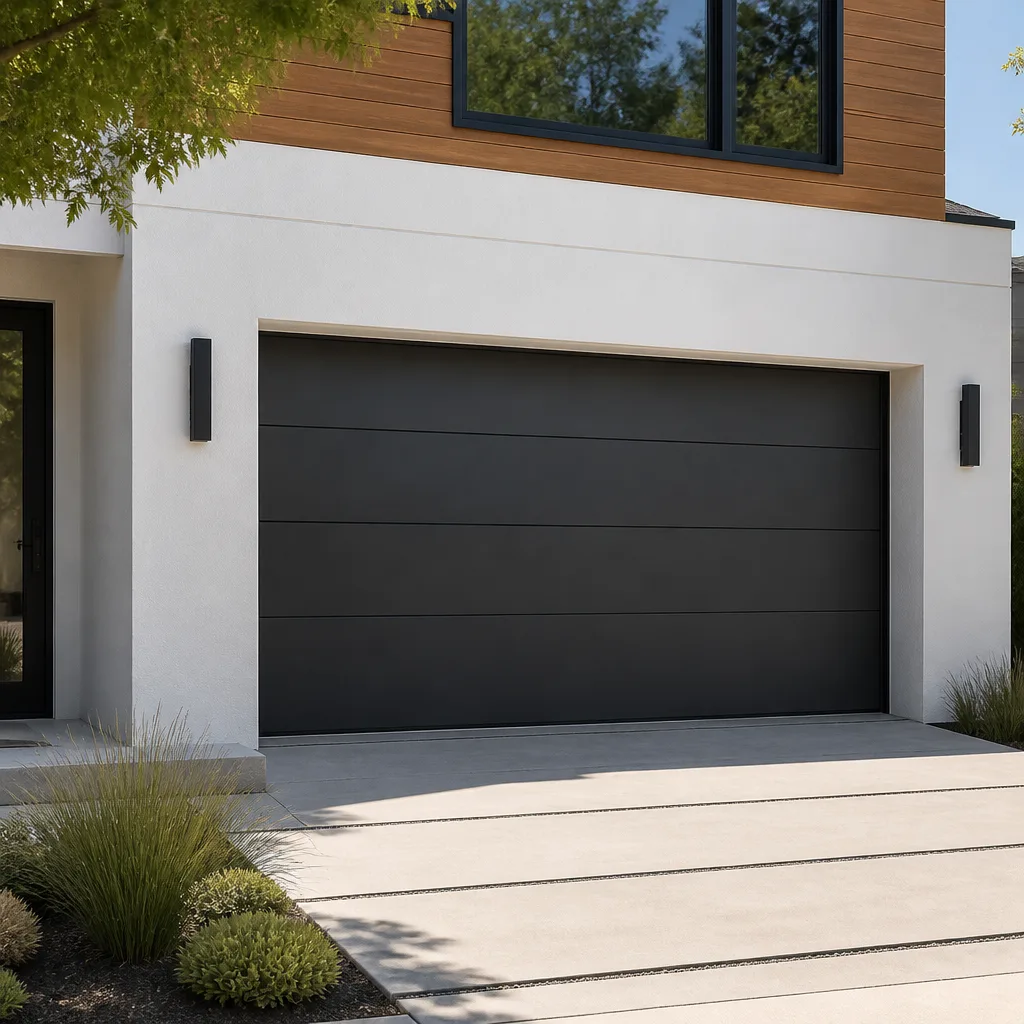 Modern flush
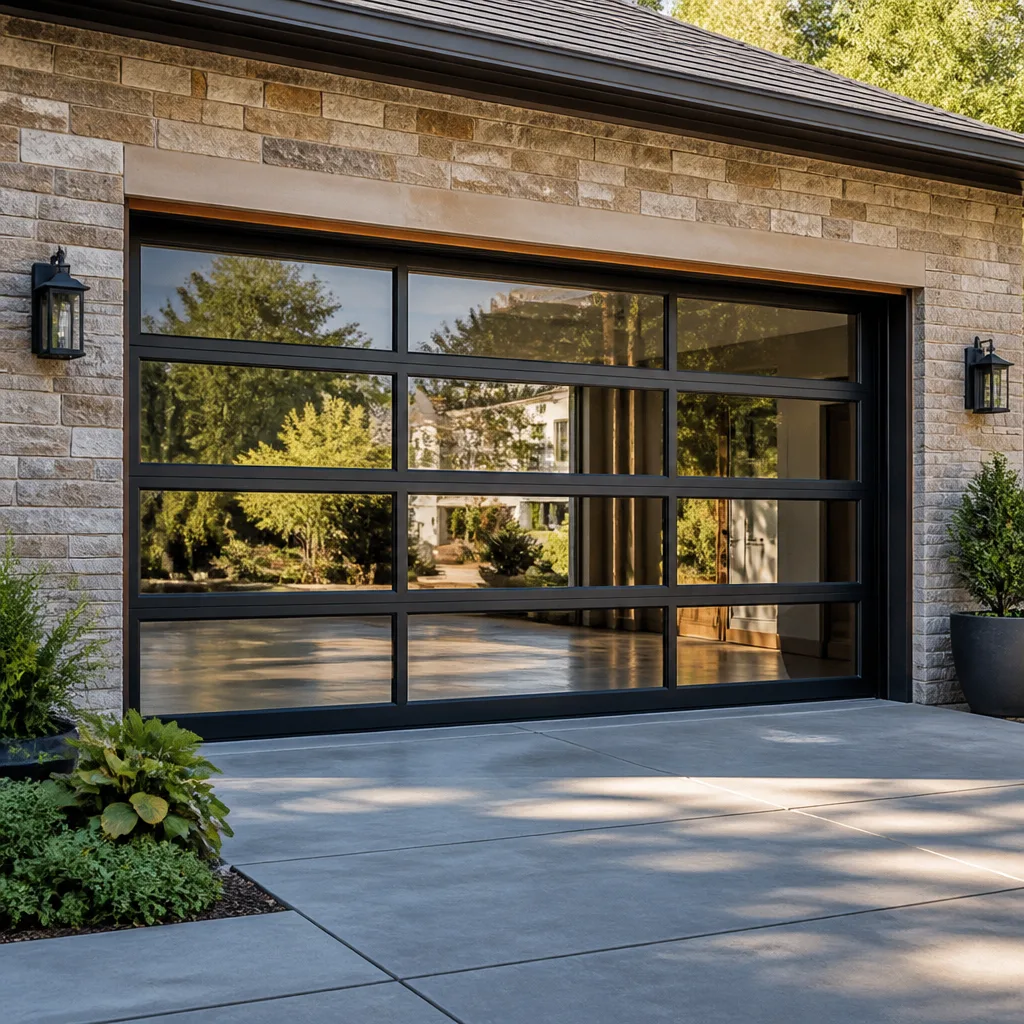 Full-view glass
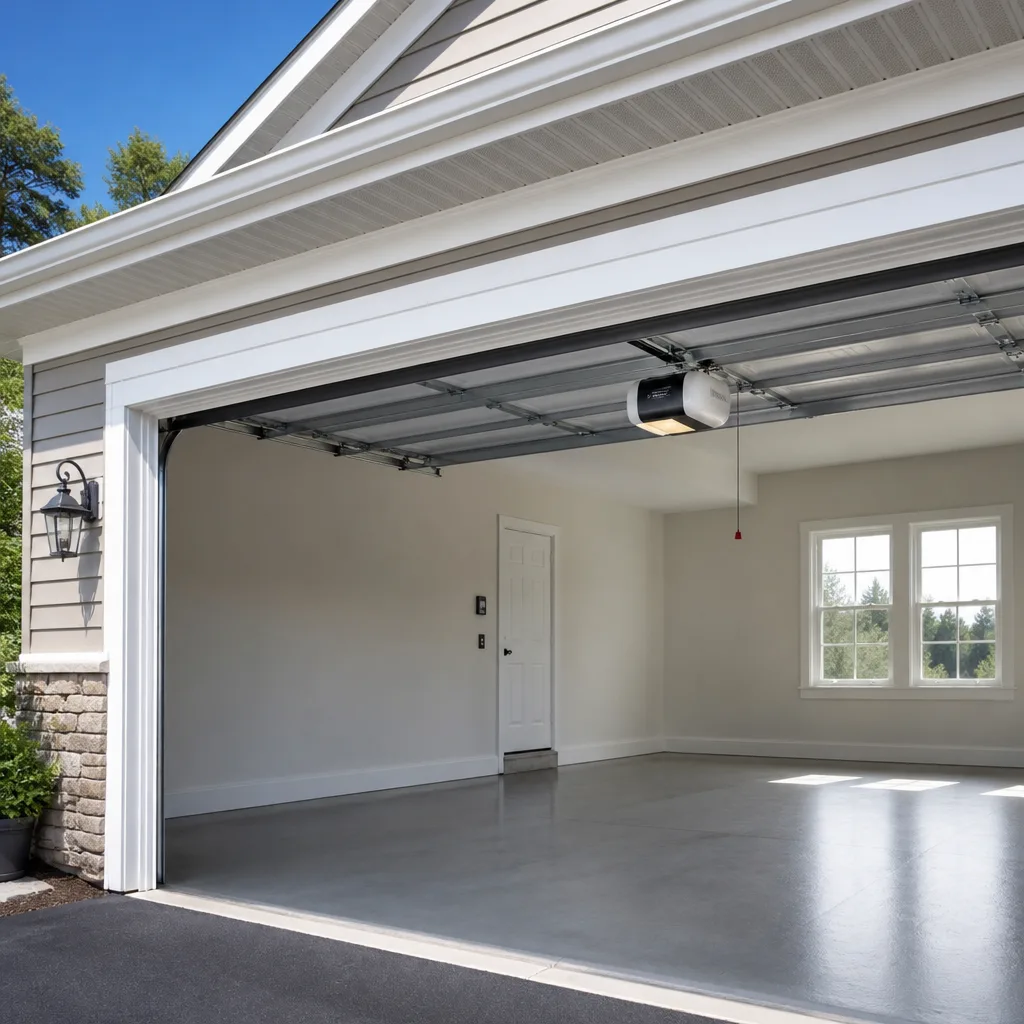 LiftMaster openers
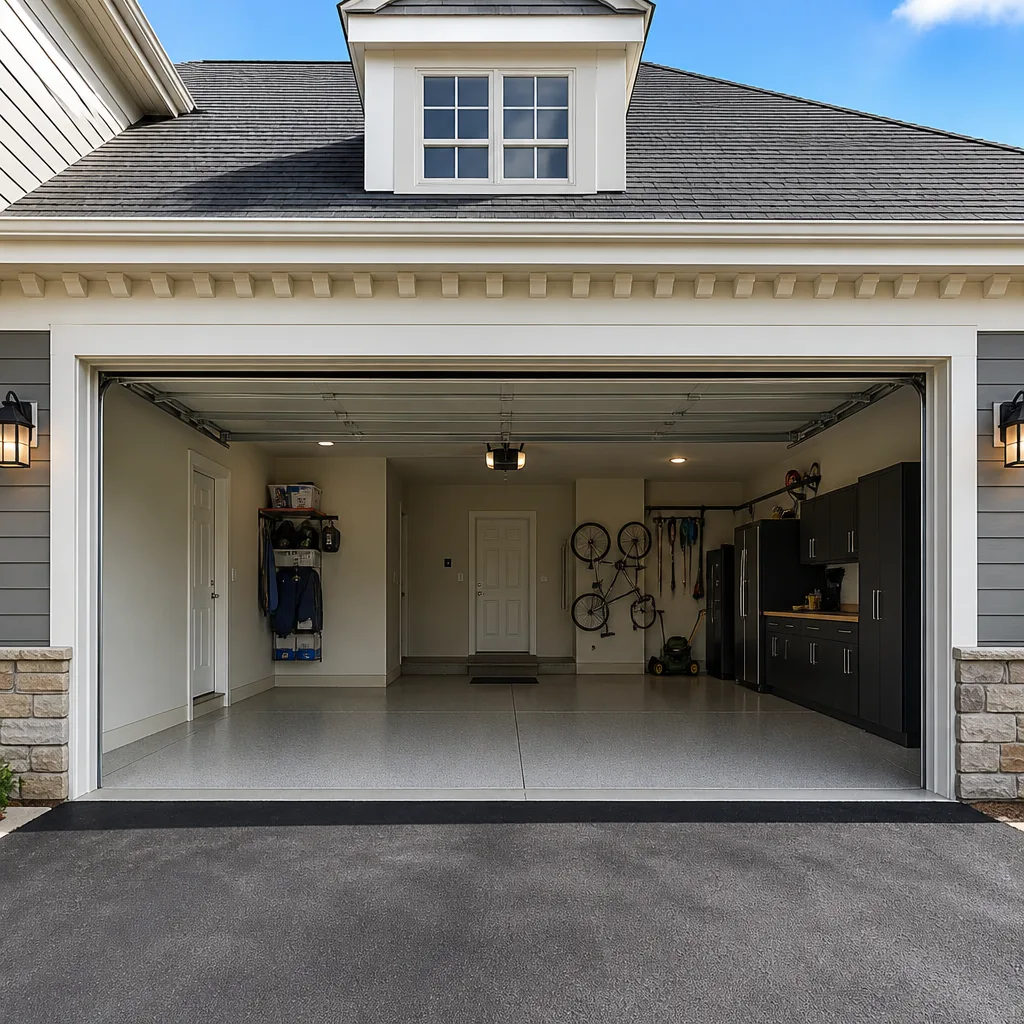 Chamberlain openers
Full 25-point door and opener safety check with every visit - springs, cables, rollers, tracks, and your LiftMaster or Chamberlain opener included
You get a price before we start. It does not change when the truck arrives.
Get your free estimateGarage Door Emergency Preparedness Guide for Tampa Homes
When a garage door spring snaps at 2 a.m. during a Tampa thunderstorm, most homeowners discover they have no plan. They stand in the dark, staring at a door that won’t budge, with a car trapped inside and a storm bearing down. In our years of garage door service across Tampa, we’ve learned something that surprises most people: the homeowners who handle emergencies best are rarely the ones with the newest doors. They’re the ones who practiced the manual release once, months ago, on a sunny afternoon. This guide walks you through every emergency scenario a Tampa garage door can throw at you, from hurricane bracing to trapped vehicles, and gives you the exact steps to respond before you ever need to call for help.
Styles & brands we work with
Quick Answer
Garage door emergencies in Tampa fall into two categories: storm-related structural failures and mechanical failures that trap vehicles or leave your home unsecured. For storms, you need a pre-hurricane bracing plan and a post-storm inspection checklist before operating the door. For mechanical failures, the most critical skill is knowing how to use your opener’s manual release cord, which is the red rope hanging from the trolley, not the emergency lock release on older models. Have your garage door company’s number saved in your phone, know your opener brand, and practice the manual release before hurricane season starts; for a full walkthrough, see our Garage Door Repair Troubleshooting: Common Problems and How to Fix Them.
Table of Contents
- The Two Types of Tampa Garage Door Emergencies
- How to Operate the Manual Release on Any Opener
- Pre-Hurricane Garage Door Checklist for Tampa Homes
- What to Do When a Vehicle Is Trapped Behind a Failed Door
- Post-Storm Garage Door Assessment: What to Check Before Operating
- Building a 24-Hour Emergency Contact Protocol
- Common Mistakes to Avoid
- When to Call a Professional
- Frequently Asked Questions
- The Bottom Line
The Two Types of Tampa Garage Door Emergencies
Tampa’s climate creates a unique set of risks for garage doors that homeowners in other cities rarely face. The first category is storm-related structural failure. Hurricane-force winds push against a standard garage door with enough pressure to bow it inward, pull it off its tracks, or force debris through the panels. A typical non-wind-rated door in Tampa can fail at sustained wind speeds well below hurricane strength. The second category is mechanical failure, which can happen any day of the year. Torsion springs snap, cables fray and break, openers burn out, and tracks get knocked out of alignment. Each category demands a different response, and confusing the two leads to costly mistakes.
We see this confusion all the time in Tampa neighborhoods like Carrollwood, Seminole Heights, and Westchase. A homeowner hears grinding during a storm, assumes the door is about to fail, and yanks the manual release while the door is under wind load. That releases the door with no counterbalance, and it slams down or jerks upward. Understanding which type of emergency you’re facing determines whether you touch the door at all or leave it alone until a technician arrives.
How to Operate the Manual Release on Any Opener
Every automatic garage door opener in Tampa homes has a manual release mechanism that disconnects the door from the opener carriage. The release is almost always a red rope with a plastic handle hanging from a trolley on the opener rail. When you pull it, the door can be moved by hand. This is the single most important skill for a garage door emergency because it works even when the power is out, the opener is dead, or the door is stuck halfway.
Here’s the step-by-step procedure that works across all major opener brands, including LiftMaster, Craftsman, Genie, and Chamberlain:
- Confirm the door is fully closed. Never pull the release when the door is open unless you have help supporting it. A disconnected door with a broken spring will drop fast.
- Locate the red rope. It hangs from the trolley on the opener rail above the door. On LiftMaster and Chamberlain models, the handle is red plastic and round. On Genie models, it’s a red T-handle. On older Craftsman units, it may be a red rope with a simple knot.
- Pull the rope down and toward the door. You’ll hear a click as the trolley disengages from the carriage. On some Raynor and Wayne Dalton openers, you need to pull the rope, then push the trolley release lever sideways.
- Lift or lower the door by hand. If the door feels unusually heavy or won’t stay up, a spring has likely failed. Stop and close the door manually. Do not force it.
- To reconnect, pull the rope toward the opener. Run the opener until the trolley snaps back into the carriage. You’ll hear it re-engage.
One critical distinction: older openers sometimes have a separate keyed emergency release on the door itself, usually near the top panel. That’s for disconnecting the lock bar, not the opener. Pulling the wrong mechanism is a mistake we’ve untangled for homeowners across Tampa. The opener release is always on the rail above the car, never on the door.
Pre-Hurricane Garage Door Checklist for Tampa Homes
When the National Hurricane Center issues a watch for the Tampa Bay area, you have a window of hours to prepare. Your garage door is the largest opening in your home and the most likely point of failure in high winds. A standard non-wind-rated door that loses its bracing or gets punctured by debris allows wind pressure into the garage, which can lift the roof and cause catastrophic structural damage. Here’s the checklist we recommend to every Tampa homeowner before a storm.
For standard doors (not wind-rated):
- Inspect the door for existing damage. Look for loose hinges, worn rollers, frayed cables, or rust on the tracks. A small problem becomes a big one under wind load.
- Close and lock the door. Use the manual slide lock if you have one. If not, secure the track with a pair of locking pliers on each side where the roller sits, preventing the door from lifting.
- Disconnect the opener. Pull the manual release and run the opener until it re-engages, just to confirm the disconnect works. Then leave the opener disconnected so wind pressure can’t fight the motor.
- Consider boarding. For doors facing the likely wind direction, plywood bracing across the inside of the door can add significant resistance. Use 5/8-inch plywood and screw it into the door frame, not the door itself.
For wind-rated doors (Miami-Dade or Florida Building Code approved):
- Confirm the rating label is visible. Tampa requires wind-rated doors in new construction, but older homes may have replacements without a label. If there’s no label, treat the door as standard.
- Check the bracing system. Some wind-rated doors have internal stiffeners that need to be engaged manually. Consult your door manufacturer’s storm preparation guide.
- Verify the track brackets are anchored. Wind-rated doors are only as strong as their mounting hardware. Loose lag bolts in the track brackets defeat the rating.
A wind-rated door from a manufacturer like Amarr or Wayne Dalton is engineered to withstand Tampa’s storm conditions, but only if it’s maintained. We’ve replaced doors after hurricanes that failed at a loose hinge, not because the door was inadequate.
What to Do When a Vehicle Is Trapped Behind a Failed Door
A garage door that fails in the closed position with a car inside is one of the most frustrating emergencies in Tampa, especially during hurricane season when every hour counts. The spring snaps, the opener burns out, or a cable jumps the drum, and suddenly the door won’t lift. You have options, and some of them cause more damage than the original failure.
First, try the manual release. If the spring is still intact, the door will lift by hand with moderate effort. If the spring has failed, the door will be extremely heavy. Do not try to muscle it open. A garage door with a broken spring can weigh 150 to 300 pounds, and serious injuries happen when homeowners try to lift it anyway.
If the door won’t lift manually, don’t force it. Here’s what actually works:
- Check the emergency release is fully disengaged. Sometimes the trolley hangs up halfway. Pull the release again and try the door.
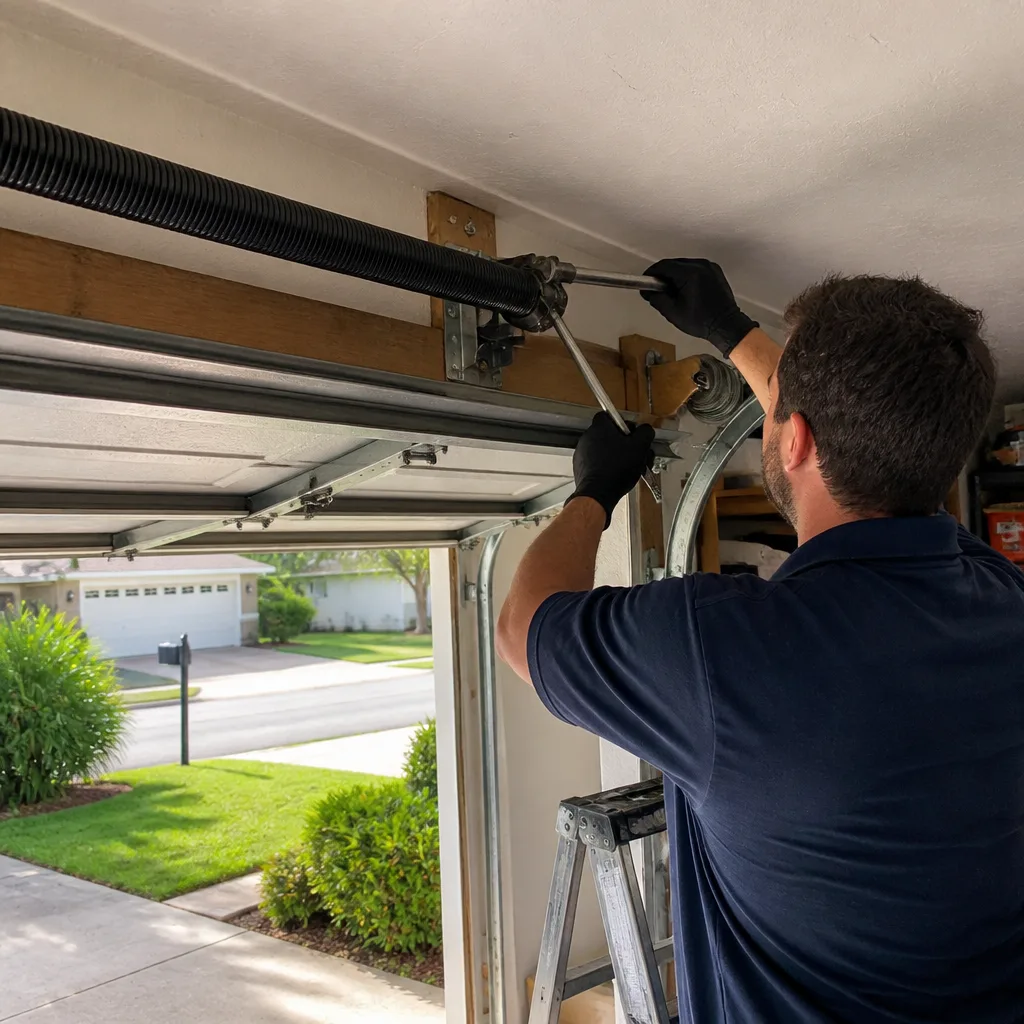
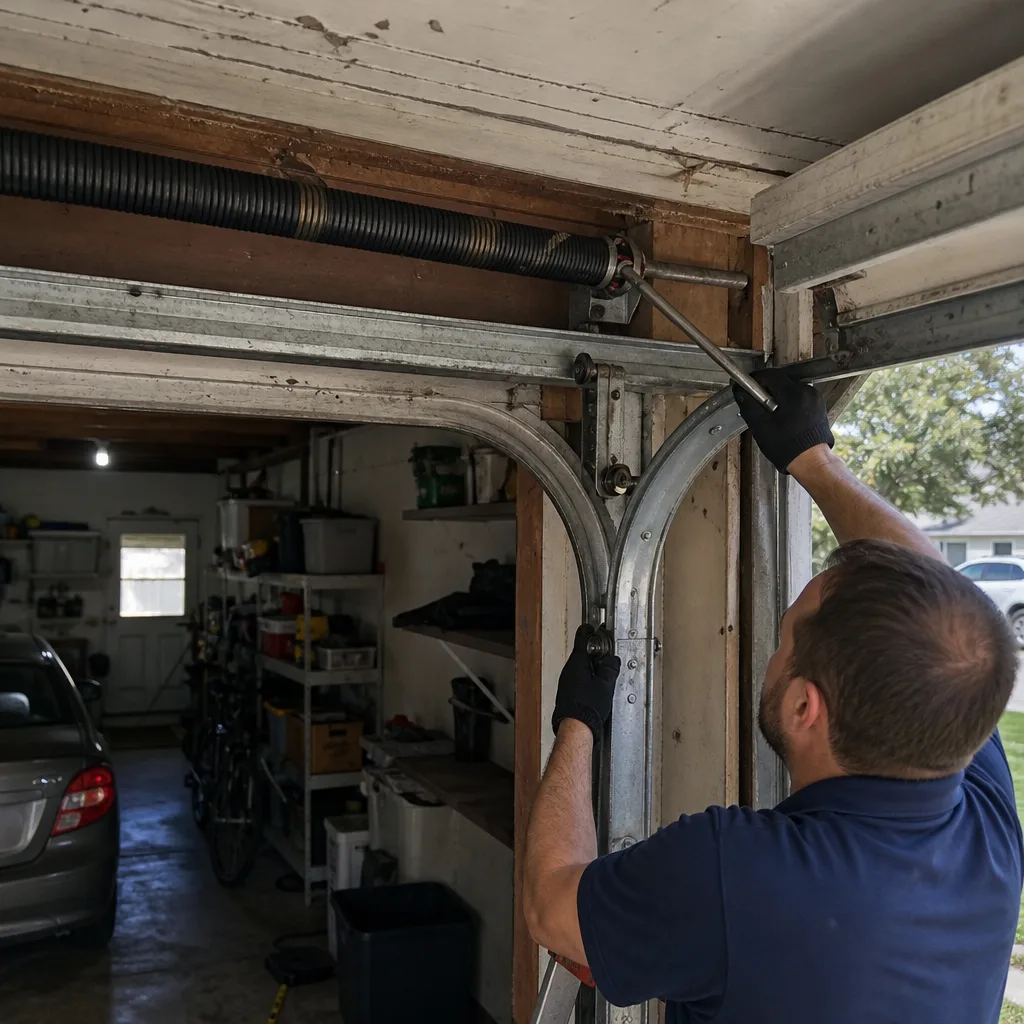
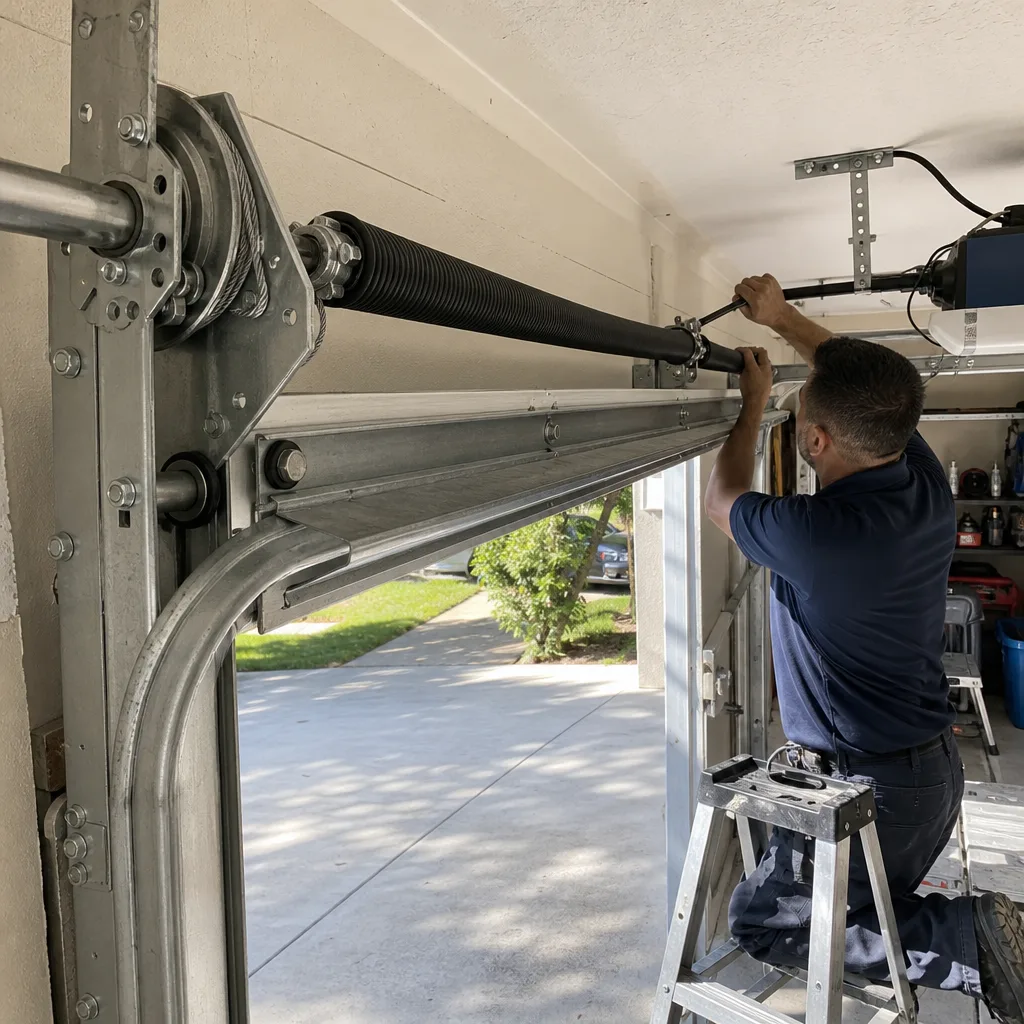
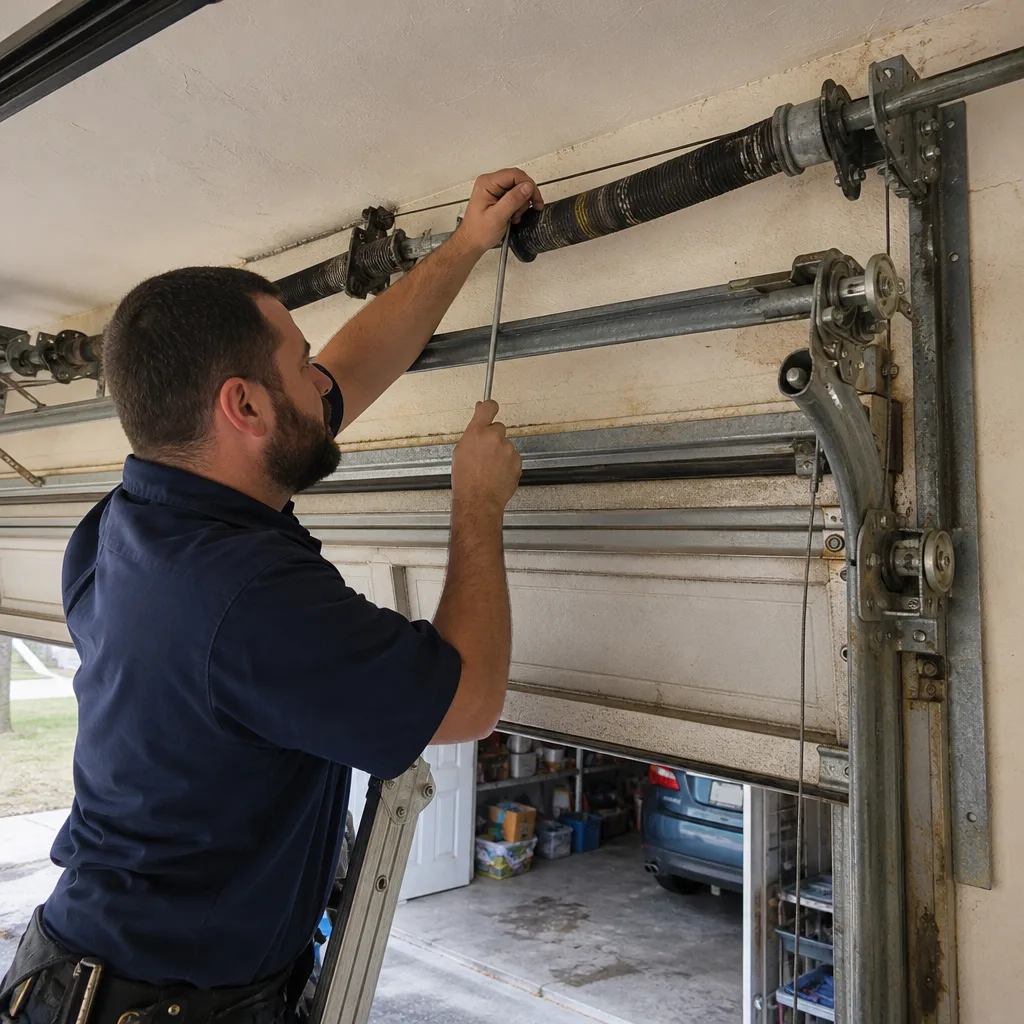
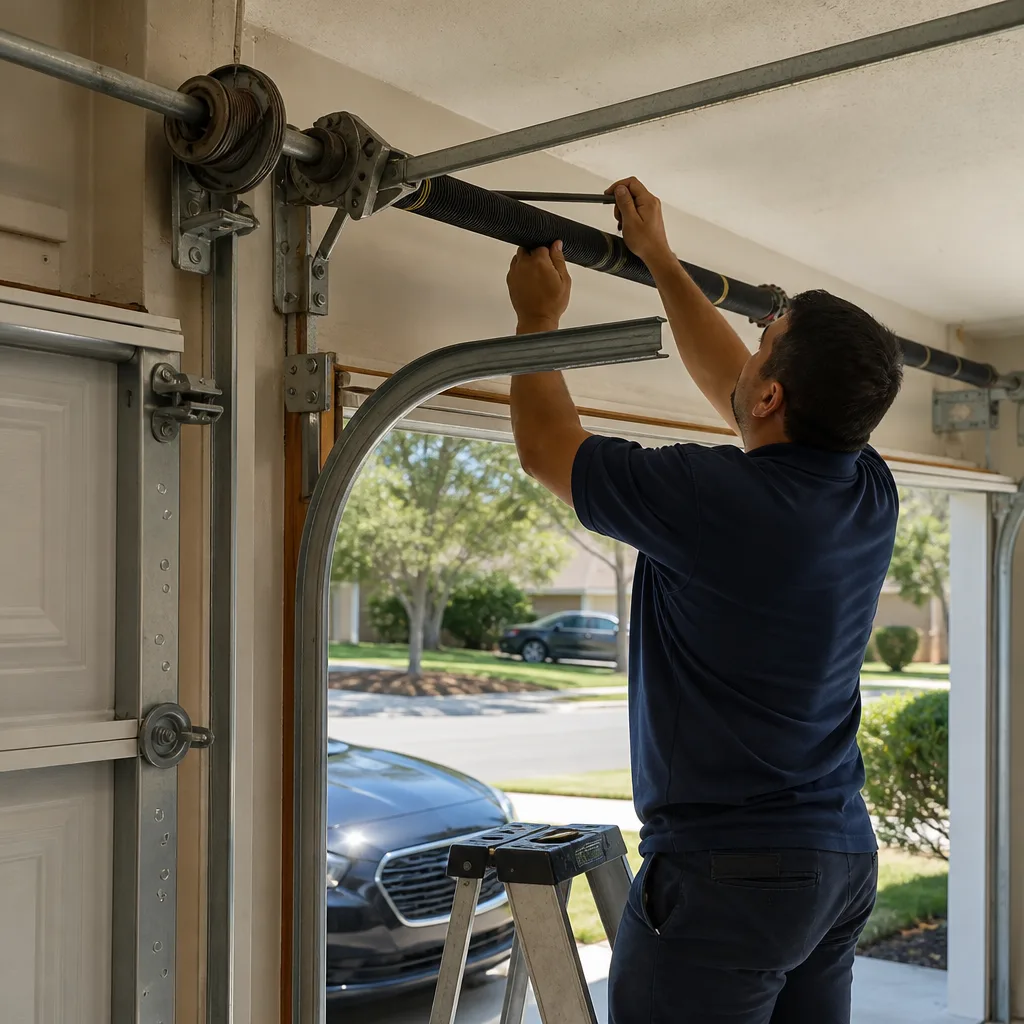
- Look for a broken cable or spring. If you see a visible gap in the torsion spring above the door or a dangling cable, the spring has failed. Stop. This is not a DIY repair.
- Call a garage door technician before dismantling anything. In Tampa, a reputable company will tell you over the phone whether the car can wait in the garage or needs to come out now.
- If you must get the car out immediately, do not cut the door, pry the tracks, or disconnect cables. These destroy the door and create a security gap. A technician can often release the door with the proper tools in under an hour.
The right approach is to have a Garage Door Repair in Tampa company on speed dial before the emergency happens. Knowing who you’ll call eliminates the panic of searching during a breakdown.
Post-Storm Garage Door Assessment: What to Check Before Operating
After a Tampa storm passes, the urge to check on your garage is strong. But operating a damaged door can turn a cosmetic problem into a structural one. Here’s the assessment sequence—and a Garage Door Repair Maintenance Checklist for Tampa Homeowners—we walk our customers through before they touch the opener button.
- Visual inspection from inside the garage. Look at the tracks, springs, cables, and panels. Check for bowing, cracks, or debris lodged in the tracks. Do not stand under the door while inspecting.
- Look for water intrusion. Tampa’s storm surge and heavy rain can flood garages. Check the bottom seal for gaps, look for water stains on the interior panels, and check electrical components for moisture exposure.
- Test the balance manually. Disconnect the opener with the manual release, then lift the door halfway by hand. A properly balanced door stays in place. If it falls or rises, something is wrong.
- Check the cable tension. Loose cables mean a drum or spring problem. Do not operate the door. This is one of the most common post-storm failures in Tampa.
- Inspect the opener for moisture. If water reached the motor, do not plug it back in. Let it dry completely and have it checked.
- Run the door once, watching and listening. If everything checks out, reconnect the opener and run a full cycle. Stop at the first unusual noise, jerk, or hesitation.
In our experience with Tampa storm damage, the failures that cause the most expensive repairs are the ones homeowners ignored: a slightly bent track that wore through a roller over the next month, a frayed cable that snapped two weeks after the storm. If anything looks off, the cost of a service call is far less than the cost of a collapsed door.
Building a 24-Hour Emergency Contact Protocol
How you call for help matters as much as who you call. When a garage door emergency hits a Tampa home at night or on a weekend, the homeowner who has their information ready gets service faster and often pays less. Here’s what to have ready before you dial.
Information to have on hand:
- Your opener brand and model. Look at the motor housing for the manufacturer name. A LiftMaster, Genie, Chamberlain, or Craftsman unit tells the technician which parts to bring on the first visit.
- A description of the failure. When did it happen? What sound did it make? Is the door open, closed, or stuck halfway? Can you move it manually?
- Your address and access instructions. Gate codes, side door locations, and whether anyone is home all speed up the dispatch.
- Photos if possible. A quick photo of the spring, cable, or track damage helps the technician diagnose before arriving.
Vintage Garage Door Service is Vintage Garage Door Service home for full-system expertise across LiftMaster, Craftsman, Raynor, and Wayne Dalton equipment, and our technicians are trained to diagnose brand-specific failures accurately. When you call (866) 253-5794, you’ll talk to someone who can walk you through a safe temporary fix over the phone while the truck is on its way.
Establish your protocol before hurricane season. Save the number in your phone. Write it down and tape it to the opener. Tell your family where it is. A garage door emergency during a Tampa storm is stressful enough without scrambling for a phone number.
Common Mistakes to Avoid
- Pulling the manual release with the door open. A disconnected door with a weak spring will slam shut. Always close the door first unless there’s a supporting object in place.
- Forcing a door with a broken spring. The strain on the tracks, cables, and your back isn’t worth it. A broken spring needs a professional replacement, and you risk serious injury trying to lift the dead weight.
- Operating a wet opener. Tampa humidity and storm flooding can soak an opener motor. Plugging it in while wet can short the board and turn a drying-out problem into a replacement problem.
- Ignoring a slow or noisy door before a storm. A door that’s been squeaking or straining for weeks is likely to fail right when you need it most. Tampa’s hurricane season is not the time to postpone garage door maintenance.
- Boarding over a wind-rated door with plywood. If your door is already rated for hurricane wind loads, adding plywood doesn’t help and can void the warranty. Tightening hardware and engaging the bracing system is the right move.
- Using the emergency keyed lock as a manual release. The keyed lock on the outside of the door operates the lock bar, not the opener disconnect. Pulling the red cord is the only way to disengage the opener.
- Waiting until the storm warning to test the manual release. The time to learn this skill is a sunny Saturday, not during a hurricane watch. If the rope is brittle, the handle is broken, or the release is jammed, you want to know before you need it.
When to Call a Professional
Some garage door emergencies you can manage yourself: power outages, stuck openers, manual release operations. Others demand a technician. Call Garage Door Opener Repair in Tampa when your opener smokes, sparks, or runs without moving the door. That’s often a stripped gear or a broken carriage. Call for Garage Door Installation in Tampa when a storm has bent the tracks, bowed the panels, or compromised the door’s structural integrity. A damaged door is a security risk and a liability.
If your torsion spring has snapped, do not attempt a repair. The tension stored in a garage door spring is enough to cause severe injury. The same goes for cables. Vintage Garage Door Service offers free estimates in Tampa. Call (866) 253-5794 and we’ll walk you through whether the issue is urgent, when we can get there, and what the repair will cost before any work begins.
Frequently Asked Questions
Emergency garage door repair in Tampa typically ranges from $150 to $350 for common failures like broken springs or cables, depending on the door type and spring configuration. Hurricane-related structural repairs run higher. Call (866) 253-5794 for an exact quote, estimated free of charge before work starts.
You should not try to open a garage door with a broken spring by hand. The door weighs 150 to 300 pounds without spring counterbalance, and lifting it risks injury and additional door damage. Call a technician to assess whether the door can be released safely or if the spring needs replacement first.
Pull the manual release cord (the red rope hanging from the opener rail) to disconnect the door from the opener, then lift the door by hand. If the door is heavy or won’t stay up, a spring has likely failed and you should stop and call a professional.
Tampa follows Florida Building Code requirements, which mandate wind-rated garage doors for new construction and major renovations in hurricane-prone areas. Existing homes built before the code update may not have wind-rated doors, so check for a rating label on your door before assuming it’s protected. For details on local requirements, read Garage Door Permits, Codes & Inspections in FL: What You Need to Know.
Test the manual release at least twice a year, ideally before Tampa’s hurricane season starts in June and again in the fall. Pull the cord, open and close the door manually, then reconnect the opener. This takes about five minutes and ensures the release works when you need it.
A power surge during a Tampa thunderstorm can damage the circuit board, motor, or sensors in any opener brand, including LiftMaster, Genie, Chamberlain, Craftsman, Raynor, and Wayne Dalton units. If your opener won’t respond after an outage, unplug it, check the breaker, and call for diagnosis before replacing parts.
The Bottom Line
Tampa garage doors face risks that most of the country never encounters: hurricane-force winds, storm surge, lightning strikes, and the constant humidity that accelerates wear. The homeowners who come through emergencies with the least damage and lowest repair bills are the ones who prepare and explore more guides & resources. Practice the manual release on a clear day. Inspect your door before storm season. Save your garage door company’s number. Know your opener brand and have it ready when you call. A few minutes of preparation turns a potential crisis into a manageable inconvenience.
Written by the team at Vintage Garage Door Service, serving Tampa since 2012.
See the difference
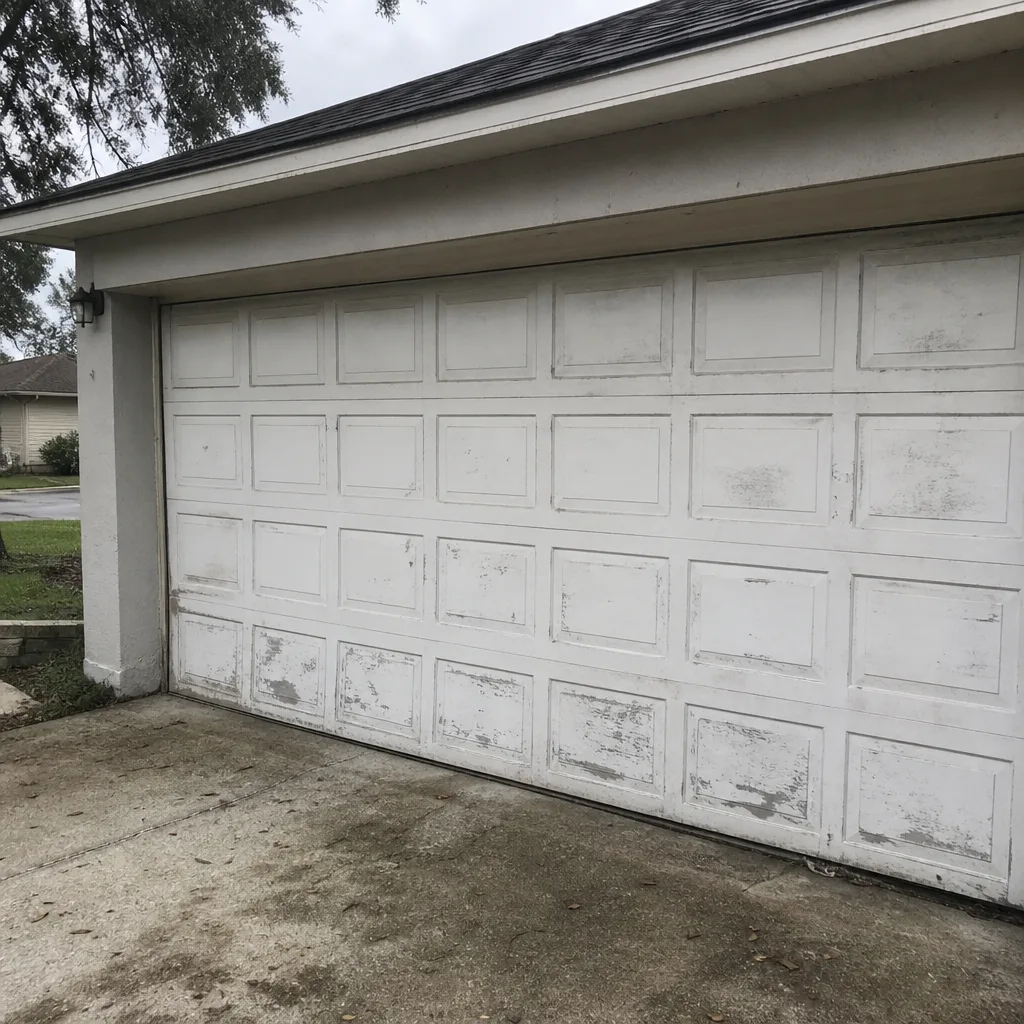 Before
 After
 Before
 After
 Before
 After